
Ottawa Airport Flight Delays: Jazz Aviation, Porter & Air Canada Cancellations
Ottawa Macdonald-Cartier International Airport faces disruptions as airlines cancel 19 flights and delay 44 others. Check flight status.

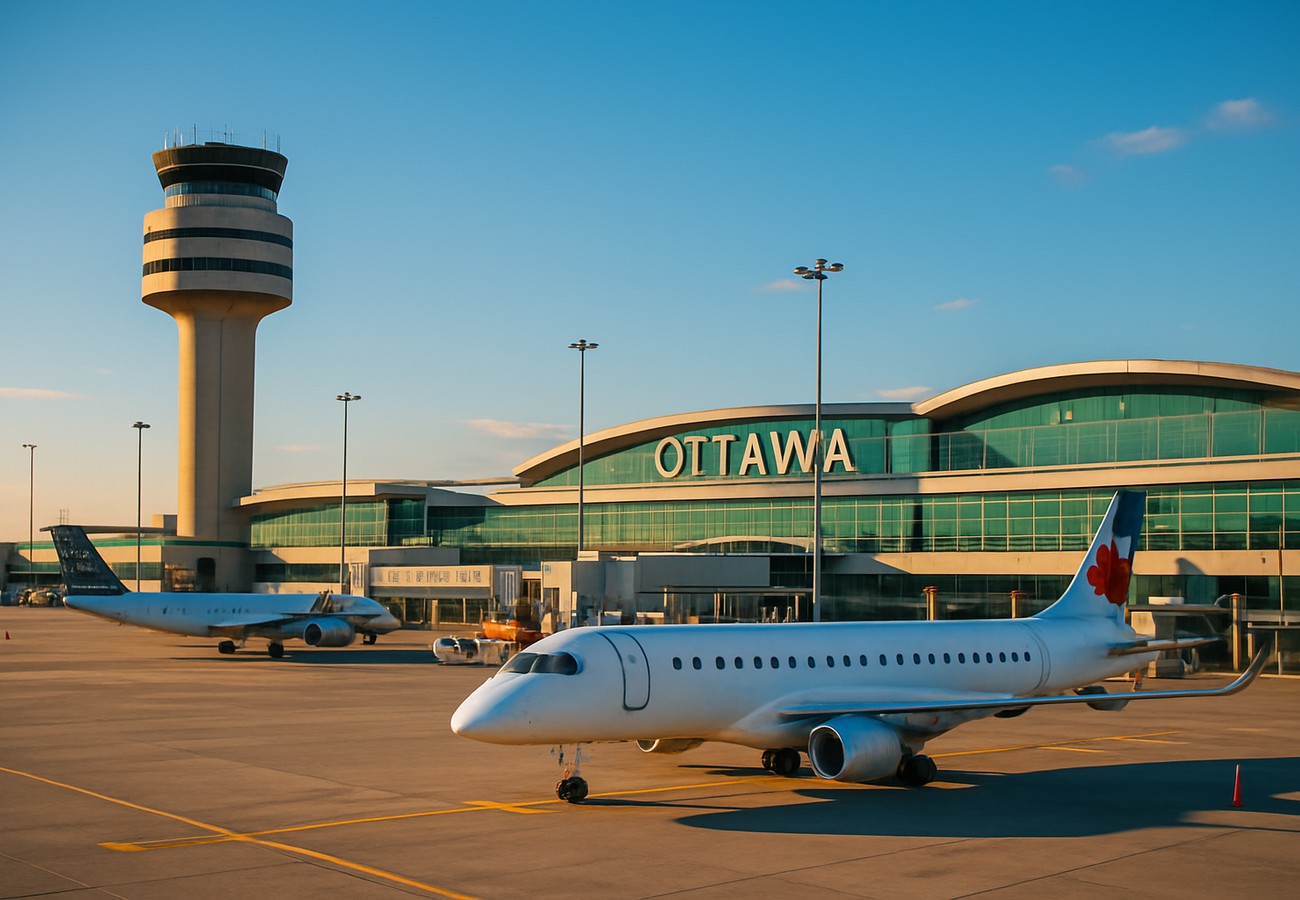
Image generated by AI
Canada's capital experienced widespread Ottawa airport flight delays today as regional aviation networks faced mounting scheduling pressure. A total of 19 flights were cancelled and 44 delayed across Macdonald-Cartier International Airport.
According to FlightAware flight tracking telemetry on July 3, 2026, the operational backlogs affected major carriers including Jazz Aviation (operating on behalf of Air Canada Express), Porter Airlines, Air Canada, PAL Airlines, Air Canada Rouge, Republic Airways, and WestJet.
Aviation officials are monitoring the situation to restore normal aircraft rotations. Passengers are advised to verify flight statuses before departing for terminal gates.
Feeder Network Failures and Rotation Inefficiencies Ground Regional Flights
According to aviation operational data, the disruptions represent a broader structural breakdown in regional flight synchronization. When short-haul feeder flights operate on tight schedule rotations, even a minor delay on an early leg cascades throughout the day. This schedule compression leaves carriers unable to recover lost time, resulting in proactive flight cancellations to protect later schedules.
Industry observers note that regional routes are particularly vulnerable to aircraft positioning issues. Because smaller regional turboprops and jets fly multiple short-haul segments daily, any maintenance issue or slot delay quickly compounds. At Ottawa Macdonald-Cartier, these rotation challenges prevented airlines from maintaining stable operations on key routes.
In addition, transborder flights to the United States remained relatively stable during the disruption. Airlines reported seven delays on transborder routes and recorded zero cancellations. This suggests that carriers prioritized international slot protection over domestic regional routes, which are easier to accommodate via ground transit or later flights.
Jazz Aviation and Porter Airlines Experience Major Outages at Ottawa Gateway
Commuter and regional carriers bore the brunt of the scheduling collapse. Jazz Aviation, which operates regional feeder flights under the Air Canada Express banner, recorded 11 cancellations and four delays. This represents more than half of the total groundings at the capital's airport, illustrating the vulnerability of short-haul regional networks.
Porter Airlines experienced the highest volume of delays, logging 26 late departures alongside two flight cancellations. Porter's high-frequency schedule between Ottawa and Toronto Island makes it sensitive to airport backups. When one aircraft is delayed at either terminal, the entire shuttle schedule experiences rolling delays.
Mainline carrier Air Canada reported five cancellations but managed to limit its delay exposure. While mainline flights remained partially stabilized, the cancellations created a backlog of passengers requiring reaccommodation on regional flights.
Other regional operators faced varying levels of scheduling pressure. PAL Airlines registered seven delays and one cancellation, reflecting moderate disruptions across its Atlantic and regional networks. Air Canada Rouge reported five delays and no cancellations, maintaining its flight schedule despite minor ground hold adjustments. US partner Republic Airways recorded one delay, while WestJet managed to avoid cancellations, reporting a single delay.
Ottawa Airport Flight Disruption by Carrier
| Airline | Cancelled Flights | Delayed Flights |
|---|---|---|
| Jazz Aviation (Air Canada Express) | 11 | 4 |
| Air Canada | 5 | 0 |
| Porter Airlines | 2 | 26 |
| PAL Airlines | 1 | 7 |
| Air Canada Rouge | 0 | 5 |
| Republic Airways | 0 | 1 |
| WestJet | 0 | 1 |
| Total Disruptions | 19 | 44 |
Passenger Impact and Gate Congestion Intensify at Terminal Desks
While official passenger figures have not been released, the scale of the disruptions suggests that several hundred travelers are experiencing delays. The 19 flight cancellations forced airlines to re-accommodate passengers on later departures, increasing gate congestion.
The 44 delayed flights created a cascading effect for passengers connecting through Ottawa. Travelers heading to major hubs like Toronto, Montreal, and US gateway airports faced missed connections. This situation created secondary pressure on airline customer service desks, as staff struggled to find alternative routings.
For airlines, managing late-arriving aircraft requires crew rescheduling and slot recovery adjustments. When crews exceed their legal duty hours due to rolling delays, flights must be cancelled even if the aircraft is ready. This operational limitation creates secondary bottlenecks that can take days to resolve.
Capital Tourism and Business Travel Face Scheduling Unpredictability
Ottawa serves as a critical administrative and tourism gateway for Canada, supporting diplomatic, government, and cultural travel. Disruption at this scale impacts passenger confidence in regional flight schedules. Short-stay visitors and business travelers connecting through Ottawa are particularly sensitive to these delays.
Local hotel operators in central Ottawa may experience short-term occupancy volatility as stranded passengers require emergency lodging. Conversely, inbound travelers may adjust their arrival plans, leading to booking cancellations.
From a broader perspective, frequent regional aviation disruptions weaken the perceived reliability of Canada's domestic tourism corridor. If travelers believe that regional feeder flights are unpredictable, they may choose alternative transportation options or bypass the capital region entirely.
Why This Matters
The concentration of cancellations among regional feeder carriers like Jazz Aviation highlights the vulnerability of Canada's hub-and-spoke networks. Mainline carriers rely on regional partners to channel passengers from smaller markets into major hubs. When regional operations collapse, the hubs lose their passenger flow, creating empty seats on international departures and causing significant financial losses.
Airlines prioritized transborder routes over domestic regional flights, as shown by the zero cancellations on US-bound services. Grounding an international flight involves higher regulatory costs, passenger compensation liabilities, and slot loss risks at busy US gateways. As a result, carriers choose to cancel domestic commuter legs, where passengers can be rerouted on ground transit or later flights.
Ultimately, these flight delays show that Canada's regional travel corridor lacks the operational resilience needed to absorb schedule disruptions. With no high-speed rail alternatives between Ottawa, Montreal, and Toronto, travelers are entirely dependent on air travel. When regional airlines face scheduling backlogs, the lack of transportation diversity leaves the domestic travel market highly vulnerable to gridlock.
Actionable Advice for Affected Passengers in Ottawa
- Monitor Regional Feeder Schedules: Check the real-time status of your connecting flights before arriving at the terminal. Regional feeder flights are the first to experience cancellations during network disruptions.
- Utilize Mobile Rebooking Channels: If your flight is cancelled, use your carrier's mobile application to browse alternative flight options. This method is often faster than waiting at airport customer service counters.
- Arrive Prepared for Congestion: Plan to arrive at Macdonald-Cartier International Airport early to account for potential queues at security checkpoints and rebooking desks.
- Understand Passenger Rights under APPR: Familiarize yourself with the Canadian Air Passenger Protection Regulations (APPR) regarding rebooking timelines, refunds, and airline standards of care during delays.
- Keep Baggage Flexible: Keep essential items, travel documents, and electronic chargers in your carry-on baggage in case of unexpected overnight delays or baggage routing backlogs.
FAQ: Ottawa Airport Flight Disruptions 2026
Why are flights being cancelled at Ottawa Airport today?
Flight cancellations are driven by aircraft rotation failures and scheduling inefficiencies, which primarily impact regional feeder and commuter carriers.
Which airlines are experiencing the most delays in Ottawa?
Porter Airlines reported the highest number of delays with 26 late departures, while Jazz Aviation recorded the most cancellations with 11 groundings.
Are flights to the United States affected by the Ottawa disruptions?
Flights to the United States remain stable, with only seven delays and zero cancellations reported on transborder routes.
Related Travel Guides
Disclaimer
This article is for informational and educational purposes only. It does not constitute legal, financial, or professional advice. While we strive to provide accurate and up-to-date information, travel policies, regulations, and conditions change rapidly. Always verify information with official sources before making travel decisions. Nomad Lawyer makes no representations about the accuracy, reliability, completeness, or suitability of the information provided. Readers should consult qualified professionals for advice specific to their circumstances. The views expressed in this article are those of the author and do not necessarily reflect the views of Nomad Lawyer.
Kunal K Choudhary
Co-Founder & Contributor
A passionate traveller and tech enthusiast. Kunal contributes to the vision and growth of Nomad Lawyer, bringing fresh perspectives and driving the community forward.
Learn more about our team →