
Omani Youth Transform Al Hamra Heritage Tourism via Startups and Tech in 2026
Young Omani entrepreneurs are leveraging Oman Vision 2040 to redefine heritage tourism in Al Hamra and Misfat Al Abriyeen through youth-led homestays and digital integration.

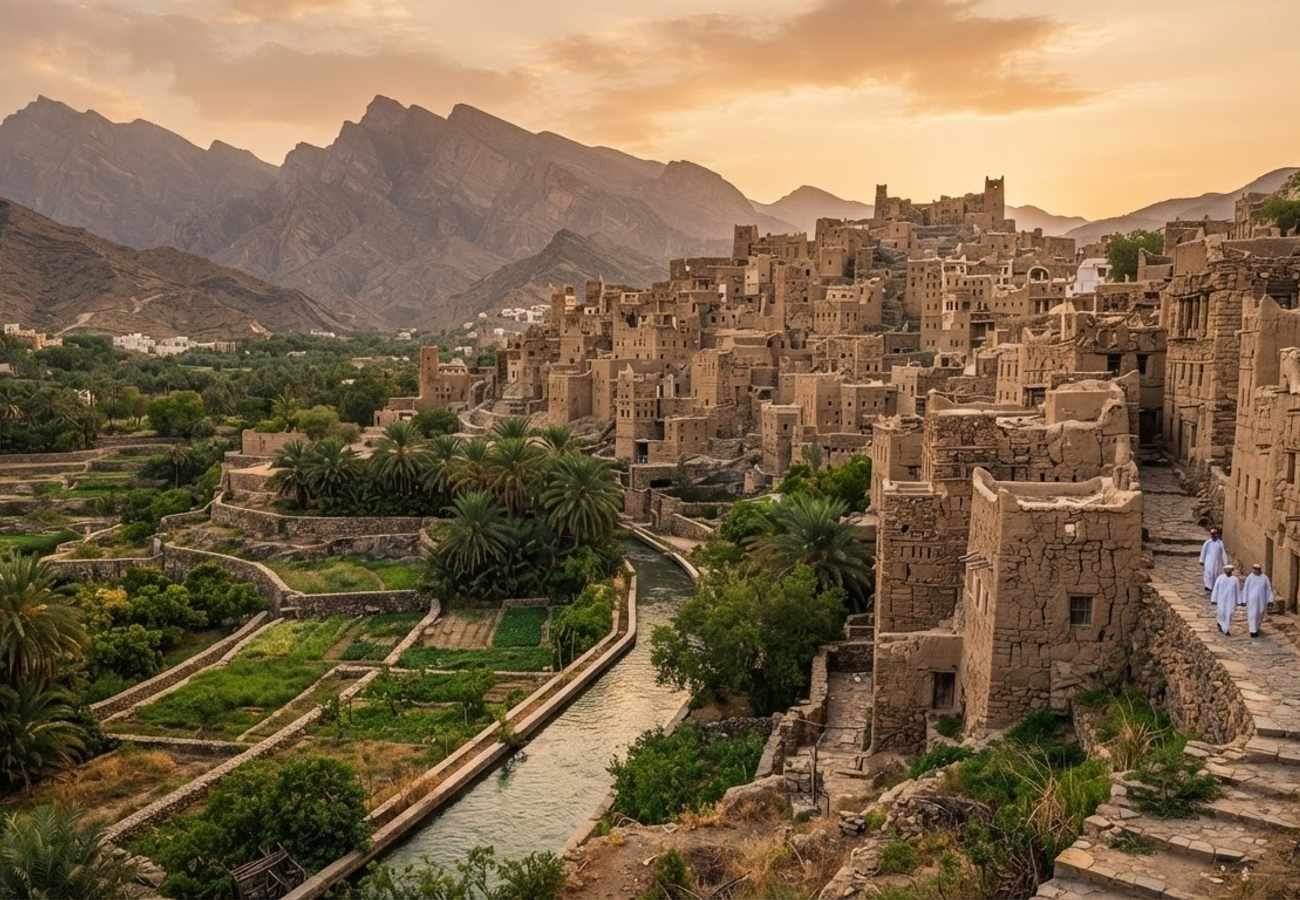
Image generated by AI
Young Omani entrepreneurs are reshaping the tourism landscape of Al Hamra and Misfat Al Abriyeen, integrating modern startups and digital tools into ancient mud-brick settlements.
In the Hajar Mountains of the Ad Dakhiliyah governorate, Al Hamra is evolving from a quiet historic outpost into a community-led tourism laboratory. This shift is driven by a new generation of residents who are transitioning from villagers to hospitality operators, coinciding with a national push to diversify Oman's economy away from oil.
The Strategic Pivot to Heritage Tourism
Al Hamra and its neighboring village, Misfat Al Abriyeen, serve as primary testbeds for the National Tourism Strategy 2040 and Oman Vision 2040. These frameworks aim to decentralize tourism, moving the focus from Muscat to interior mountain communities.
Misfat Al Abriyeen gained significant international momentum in 2021 after being named to the World Tourism Organization’s Best Tourism Villages list. The village is recognized for its:
- Intact falaj irrigation systems.
- Traditional mud-brick architecture.
- Extensive agricultural terraced farms.
To support this, the Ministry of Heritage and Tourism, alongside financial institutions, has funded the Misfat Al Abriyeen heritage tourism project. This initiative focused on restoring historic dwellings, formalizing pedestrian routes, and building visitor facilities to balance modern accessibility with traditional preservation.
Youth-Led Economic Diversification
The most significant change on the ground is the emergence of youth-owned micro-businesses. Omani entrepreneurs in their twenties and thirties are now dominating the local hospitality sector.
Hospitality and Lodging Family-owned properties are being converted into guesthouses and small inns. These ventures prioritize local employment, ensuring that tourism revenue remains within the community.
Specialized Guiding There is a marked increase in structured cultural tours. Local guides now offer specialized itineraries focusing on:
- The mechanics of ancient falaj irrigation.
- Hiking expeditions to Hajar range canyons and caves.
- Educational visits to terraced farms.
Integration of Technology and Creative Tourism
Rather than treating Al Hamra as a static museum, young operators are applying "creative tourism" models. A prime example is Bait Al Siraj, a restored heritage building that has introduced virtual reality (VR) and interactive features. This allows visitors to engage with the town's architectural history without physically altering the fragile mud-brick structures.
Our analysis of these trends indicates a shift toward "living heritage." This involves pop-up art installations in traditional homes and culinary workshops based on ancestral family recipes, moving the visitor experience beyond simple sightseeing.
Critical Infrastructure and Over-Tourism Risks
The surge in popularity has created logistical friction. Local reports indicate that Misfat Al Abriyeen sees tens of thousands of visitors during peak cooler months.
Current Pressure Points:
- Infrastructure: Narrow lanes are struggling to handle increased foot and vehicle traffic.
- Resources: Limited water supplies are under strain from increased guest occupancy.
- Environment: Fragile agricultural terraces are at risk from unregulated visitor flow.
Policy papers for the western Hajar region now emphasize the need for "carrying capacity" limits. Young operators are increasingly advocating for digital booking systems to spread demand and strict visitor codes of conduct to protect the residential nature of the villages.
Operational Summary: Al Hamra Tourism Shift
| Feature | Traditional Model | New Youth-Led Model |
|---|---|---|
| Accommodation | Basic or absent | Boutique heritage homestays |
| Interpretation | Passive observation | VR and interactive storytelling |
| Economic Flow | External operators | Community-owned startups |
| Guiding | Informal/General | Specialized (Irrigation, Hiking) |
| Strategy | Preservation only | Sustainable economic integration |
Why This Matters
For the aviation and travel industry, the transformation of Al Hamra signals a broader shift in GCC travel patterns. We are seeing a transition from "luxury-hub" tourism (centered on cities like Dubai or Muscat) to "experiential-interior" tourism.
From a logistical perspective, this means a growing demand for regional transport links and specialized tour operators who can navigate the interior. For travelers, the real impact is a move toward authenticity; the value is no longer in the monument, but in the interaction with the local resident who manages the property. This "Information Gain" for the traveler—learning the living history of the falaj system from a local entrepreneur—is what will drive the growth of these routes.
Industry Outlook
The window for experiencing Al Hamra as a quiet, community-led enclave is closing. With improved road infrastructure and the arrival of larger hotel investments planned under the 2040 strategy, the town will likely see a transition from niche heritage to mass-market tourism. The success of the current youth-led model will determine if Al Hamra remains a living village or becomes a sanitized tourist zone.
The balance between rapid economic scaling and cultural integrity remains the defining challenge for Oman's interior.
Related Travel Guides
Disclaimer
This article is for informational and educational purposes only. It does not constitute legal, financial, or professional advice. While we strive to provide accurate and up-to-date information, travel policies, regulations, and conditions change rapidly. Always verify information with official sources before making travel decisions. Nomad Lawyer makes no representations about the accuracy, reliability, completeness, or suitability of the information provided. Readers should consult qualified professionals for advice specific to their circumstances. The views expressed in this article are those of the author and do not necessarily reflect the views of Nomad Lawyer.
Preeti Gunjan
Contributor & Community Manager
A passionate traveller and community builder. Preeti helps grow the Nomad Lawyer community, fostering engagement and bringing the reader experience to life.
Learn more about our team →