
Oman Tourism Faces Uncertainty Amid Strait of Hormuz Tensions
Oman's tourism sector faces perception challenges and cruise itinerary disruptions as US-Iran tensions raise security concerns near the Strait of Hormuz.

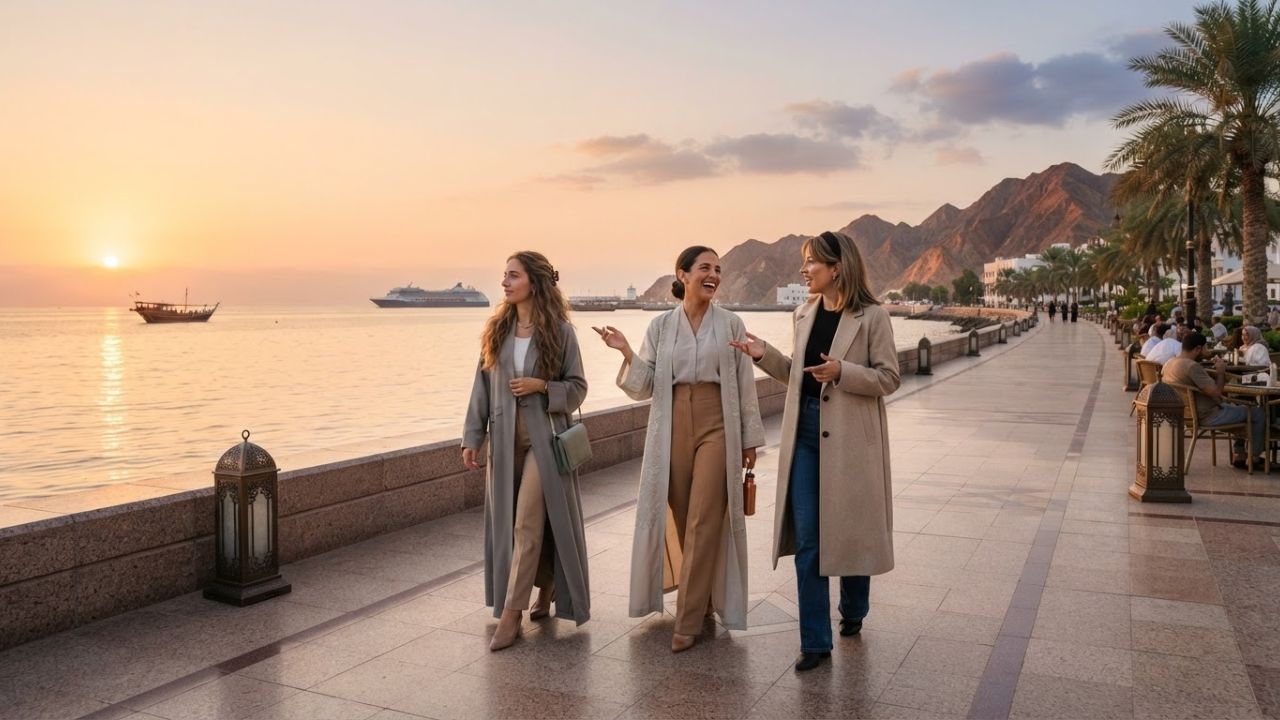
Image generated by AI
Oman’s tourism sector is navigating a delicate period of regional uncertainty as stalled peace negotiations between the United States and Iran raise maritime safety concerns near the Strait of Hormuz.
The Local Trend Revealed: Geopolitical Strains and Travel Perceptions
Middle East travel corridors are managing perception challenges as tensions close to the Strait of Hormuz influence international traveler confidence. Following stalled negotiations between the United States and Iran over maritime security, shipping lanes in the Gulf region are facing increased security surveillance. Although Omani cities and visitor attractions remain fully operational and secure, Omani tourism authorities are addressing questions regarding safety and travel logistics.
The Strait of Hormuz serves as a major gateway connecting the Arabian Gulf with international shipping lanes, placing Oman’s northern exclave of Musandam under focus. The situation has prompted cruise operators to closely monitor safety conditions before finalizing winter itineraries. Additionally, international airlines are evaluating airspace routing, which could lead to longer flights and higher ticket prices if fuel expenses rise.
While Omani hubs like Muscat (the cultural heart), Salalah (known for its seasonal monsoon), and Nizwa continue to receive visitors, travelers unfamiliar with Gulf geography are displaying caution when planning regional trips, resulting in delayed bookings.
Oman Travel Sectors and Geopolitical Risk Analysis (2026)
| Travel Sector / Area | Primary Operational Threat | Local Region Affected | Strategic Response Plan |
|---|---|---|---|
| Cruise / Maritime | Route adjustments & port schedule shifts | Musandam, Muscat | Continuous coordination with port authorities |
| Aviation / Air Corridor | Route safety, airspace restrictions | Muscat International Airport | Flight plan re-routing & fuel surcharge checks |
| Leisure Tourism | Booking delays, perception risks | Nizwa, desert camping spots | Targeted marketing of domestic & GCC markets |
| Diplomatic Missions | Media association with conflict talks | Government administrative hubs | Promoting Oman's neutral, stable gateway image |
Cultural & Environmental Value: Supporting Musandam Communities and Marine Ecosystems
For the traveler, the real impact of these regional developments is the opportunity to practice responsible, community-based travel that directly supports local Omani families and helps protect coastal marine ecosystems. By booking traditional dhow sailing excursions directly from local captains in Musandam, visiting independent artisans at the Nizwa souq, and staying in locally owned eco-lodges, visitors help sustain the regional economy.
Mapped in coordination with the Ministry of Heritage and Tourism and regional conservation groups, these travel choices fund marine habitat protection and help keep economic benefits within host communities during periods of lower international demand.
Destination Specialist Local Insider Tips
To help you plan your visit to Oman safely and navigate the regional travel climate comfortably, local specialists suggest the following tips:
- Savor traditional Shuwa in Muscat: Experience Omani gastronomy. Taste authentic Shuwa (slow-cooked marinated lamb wrapped in banana leaves and roasted in a subterranean clay oven) at local eateries.
- Travel During the Winter Months: Plan your trip between October and March. This pleasant seasonal window offers comfortable temperatures (ranging from 20°C to 28°C), which is ideal for desert camping and outdoor tours.
- Select Eco-Certified Dhow Captains: When booking a cruise in Musandam's fjords, hire local captains who follow dolphin-watching protocols to protect the marine environment.
- Monitor Air Routing Updates: Omani airspace remains open and safe. However, download your carrier's app to track flight adjustments and ensure connecting windows of at least three hours at regional hubs.
- Explore Misfat al Abriyeen: Take an under-the-radar detour. Walk through the mud-brick houses of this ancient mountain village to observe its traditional falaj (irrigation canal) system.
Long-Term Outlook: Sustainable GCC and Domestic Markets
The long-term outlook for Oman’s visitor economy remains positive, supported by the country's reputation for neutrality and diplomatic stability. As the Ministry of Heritage and Tourism continues to promote domestic and regional GCC travelers, local operators are building resilience against international volatility. By focusing on sustainable coastal management and community-led heritage programs, Oman is well-positioned to protect its cultural assets while maintaining its appeal as a safe, peaceful gateway.
Related Travel Guides
Disclaimer
This article is for informational and educational purposes only. It does not constitute legal, financial, or professional advice. While we strive to provide accurate and up-to-date information, travel policies, regulations, and conditions change rapidly. Always verify information with official sources before making travel decisions. Nomad Lawyer makes no representations about the accuracy, reliability, completeness, or suitability of the information provided. Readers should consult qualified professionals for advice specific to their circumstances. The views expressed in this article are those of the author and do not necessarily reflect the views of Nomad Lawyer.
Raushan Kumar
Founder & Lead Developer
Full-stack developer with 11+ years of experience and a passionate traveller. Raushan built Nomad Lawyer from the ground up with a vision to create the best travel and law experience on the web.
Learn more about our team →