
UK FCDO Issues USA Travel Warning as Hurricane Risks Rise
The UK FCDO issues a travel advisory warning of storm risks and flight disruptions across Florida and Hawaii during the 2026 hurricane season.

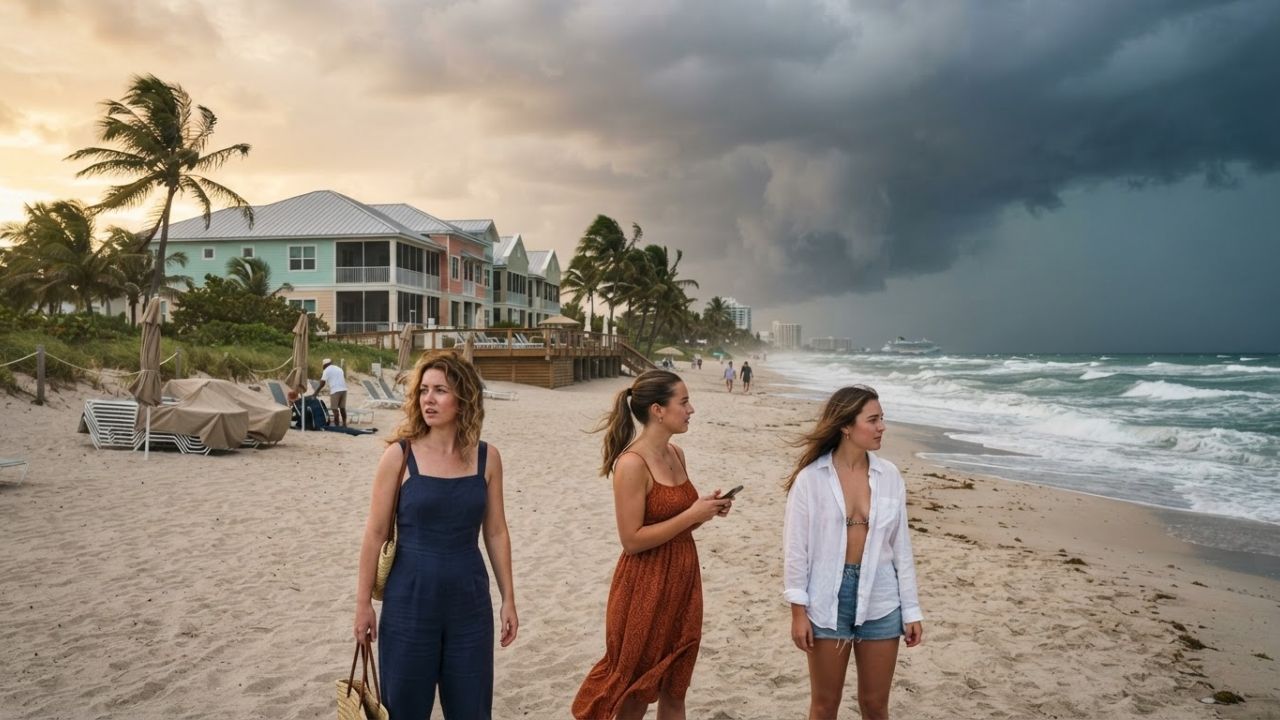
Image generated by AI
The UK Foreign, Commonwealth and Development Office (FCDO) has issued a fresh travel warning for British travelers heading to the United States, highlighting storm activity in the Central Pacific with a 70 per cent chance of an above-normal season of 5 to 13 tropical cyclones.
The Local Trend Revealed: Regional Hurricane Seasons and Travel Impact
International travel itineraries are increasingly being synchronized with seasonal weather warnings, as travelers prioritize safety and flight flexibility during extreme weather events. The UK government's FCDO travel advisory outlines these storm dynamics across the United States. During the hurricane seasons, which span from May to November, visitors must anticipate flight delays, cruise adjustments, road closures, and localized power disruptions across high-demand coastal destinations, including Florida and the Hawaiian islands.
The United States experiences multiple tropical cyclone seasons due to its geographic expanse. The Atlantic hurricane season operates from June to November, impacting popular tourist regions in Florida, the Gulf Coast, and the Eastern Seaboard. The Pacific hurricane season runs from May to November, influencing weather patterns in Hawaii and Guam, while the South Pacific tropical cyclone season (November to May) affects territories like American Samoa.
According to the US National Oceanic and Atmospheric Administration (NOAA), the 2026 seasonal forecasts show varying risk levels: the Atlantic basin expects a below-normal season with 7 to 13 named storms, 2 to 6 hurricanes, and 0 to 2 major hurricanes due to wind shear from El Niño. However, the Central Pacific Basin expects an above-normal season with a 70 per cent chance of elevated activity, translating to a forecast of 5 to 13 tropical cyclones near Hawaii.
NOAA 2026 Hurricane and Tropical Cyclone Forecast Metrics
| Hurricane Basin / Territory | Operational Seasonal Window | NOAA 2026 Activity Outlook | Expected Storm Metrics | Primary Tourism Impact |
|---|---|---|---|---|
| Atlantic Basin | June to November | Below-normal activity | 7 to 13 named storms | Flight and cruise delays in Florida ports |
| Atlantic Hurricanes | June to November | Below-normal activity | 2 to 6 hurricanes | Evacuation warnings along the Gulf Coast |
| Atlantic Major Hurricanes | June to November | Below-normal activity | 0 to 2 major storms | Storm surge risks in beachfront resorts |
| Central Pacific (Hawaii) | May to November | 70% chance of above-normal | 5 to 13 tropical cyclones | Flights, hiking, and inter-island cruise delays |
| South Pacific (American Samoa) | November to May | N/A | Variable storm patterns | Disruptions to regional maritime transport |
Cultural & Environmental Value: Supporting Slower Ecotourism and Coastal Protection
For the traveler, the real impact of these climate-related advisories is the shift toward slow, eco-conscious tourism that supports community resilience in high-risk zones. By booking locally owned, eco-certified lodging that operates green energy networks, purchasing insurance that covers extreme weather, and supporting small-scale food and retail merchants in coastal Florida and Hawaii, visitors keep capital in local hands.
Mapped in coordination with the National Oceanic and Atmospheric Administration (NOAA) and the Federal Emergency Management Agency (FEMA), these safety protocols ensure that tourism does not burden local emergency responders, helping preserve delicate coastal ecosystems from structural damage during storm surges.
Destination Specialist Local Insider Tips
To help you plan your travel through coastal U.S. states safely and comfortably during storm seasons, regional specialists suggest the following tips:
- Savor Poke in Hawaii and Conch Fritters in Florida: Experience local gastronomy. Try fresh, traditional Poke (marinated raw fish salad) in Honolulu, or savor authentic Conch Fritters at seaside kiosks in the Florida Keys.
- Familiarize Yourself with Evacuation Routes: Upon checking into beachfront hotels in Florida or Hawaii, review the building’s emergency evacuation plan and locate local shelter routes.
- Secure Comprehensive Travel Insurance: Review your policies before departure. Ensure your coverage includes flight cancellations, emergency hotel accommodations, and trip interruption benefits due to severe weather.
- Keep Digital and Physical Documents Secure: Place your passports, visas, and medical records in a waterproof bag, and store digital copies in a secure cloud folder for easy access.
- Hike the Inland Oahu Trails: If high surf warnings close coastal beaches in Hawaii, visit the inland Hoomaluhia Botanical Garden for hiking paths and mountain views less exposed to ocean winds.
Long-Term Outlook: Digital Alerts and Resilient Infrastructure
The long-term outlook for US coastal tourism relies on building climate-resilient infrastructure and expanding real-time, digital alert networks for travelers. As airlines deploy automated flight rebooking tools and cruise operators coordinate route adjustments during storm seasons, the impact of extreme weather on traveler safety is minimized. By prioritizing sustainable ecotourism and flexible travel insurance models, popular destinations across Florida and Hawaii will continue to welcome international visitors safely.
Related Travel Guides
Disclaimer
This article is for informational and educational purposes only. It does not constitute legal, financial, or professional advice. While we strive to provide accurate and up-to-date information, travel policies, regulations, and conditions change rapidly. Always verify information with official sources before making travel decisions. Nomad Lawyer makes no representations about the accuracy, reliability, completeness, or suitability of the information provided. Readers should consult qualified professionals for advice specific to their circumstances. The views expressed in this article are those of the author and do not necessarily reflect the views of Nomad Lawyer.
Preeti Gunjan
Contributor & Community Manager
A passionate traveller and community builder. Preeti helps grow the Nomad Lawyer community, fostering engagement and bringing the reader experience to life.
Learn more about our team →