
Tourism Travel York Faces Headwinds: Why International Visitors Are Reconsidering
New York City tourism travel york experiences a significant downturn in 2026 as foreign visitors reassess their travel plans. Economic pressures and shifting travel preferences reshape the city's hospitality sector.

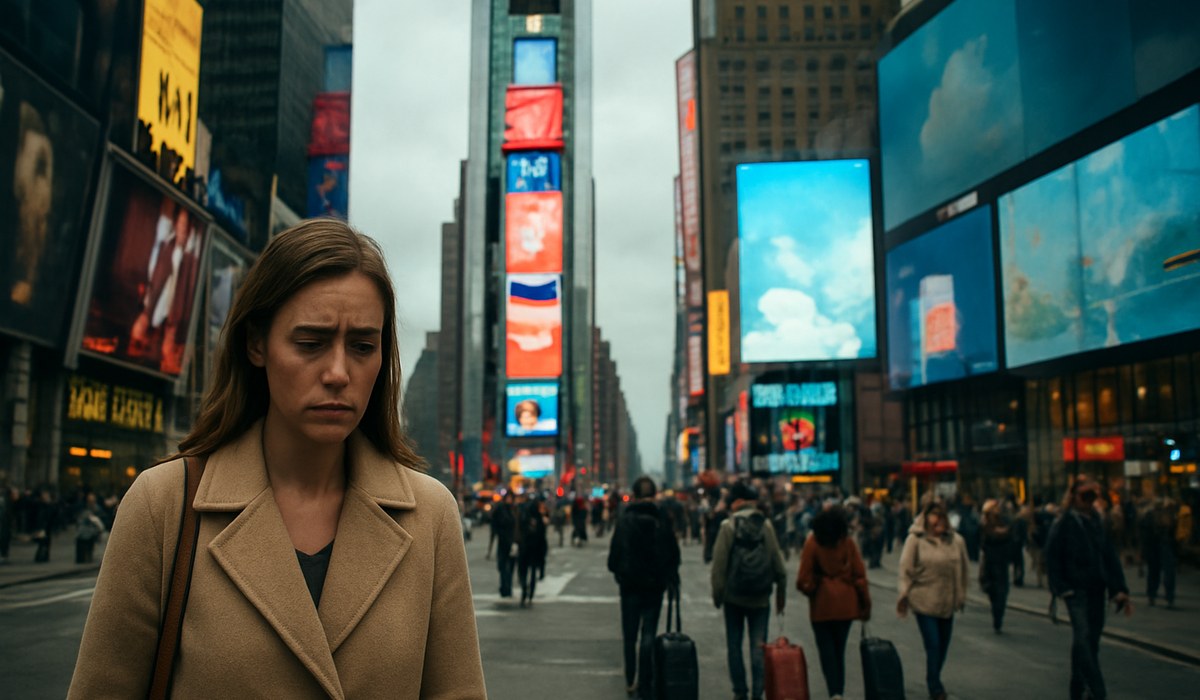
Image generated by AI
New York City Confronts Tourism Slowdown as Foreign Arrivals Decline
New York City is grappling with an unexpected contraction in international visitor arrivals throughout early 2026. Foreign tourists, traditionally the economic backbone of the city's hospitality industry, are increasingly choosing alternative destinations or postponing their trips. This shift represents a notable reversal for a destination long synonymous with global tourism appeal.
The decline reflects broader economic uncertainties affecting international travel patterns. Currency fluctuations, rising accommodation costs, and shifting consumer preferences have combined to make tourism travel york less attractive for overseas visitors. Local hospitality leaders report measurable drops in advance bookings and walk-in traffic at major attractions.
Economic Pressures Reshape Tourism Travel York's Competitive Position
The crisis stems from multiple converging factors affecting the international travel market. Exchange rate volatility has increased travel costs for European and Asian visitors arriving in New York City. Hotel rates remain elevated despite reduced demand, creating an unfavorable price-to-value perception among budget-conscious travelers.
International airlines, including major carriers serving JFK and Newark airports, have adjusted flight schedules to reflect declining demand. This reduction in air capacity further constrains foreign visitor growth. Regional attractions and competing city destinations are capturing market share that traditionally flowed to New York.
Local tourism boards report that first-time international visitors increasingly evaluate competing destinations like Miami, Los Angeles, and Boston. The city's reputation for expensive dining and entertainment has also intensified during economic uncertainty. Check current New York tourism trends at NYC & Company.
Why Travelers Are Seeking Alternatives to the Apple
The "Big Apple" label carries both prestige and expense expectations. International visitors increasingly question whether New York delivers sufficient value relative to costs. Comparable cultural experiences, world-class museums, and dining scenes now exist at more affordable price points in competing destinations.
Safety perceptions, though statistically improved, continue influencing foreign traveler decision-making. Media coverage of urban challenges in major American cities has shifted international sentiment. Some travelers express preference for destinations perceived as more stable or predictable.
Climate concerns and sustainability questions also influence travel choices. International visitors, particularly from Northern Europe and Scandinavia, demonstrate growing interest in eco-conscious destinations. New York's dense urban infrastructure sometimes conflicts with these environmental priorities.
Accommodation scarcity in mid-range hotels represents another barrier. Premium luxury options remain abundant, but budget-friendly quality lodging near major attractions has contracted. This creates a gap that excludes price-conscious international visitors seeking authentic city experiences without premium costs.
Best Time to Visit New York City Despite Current Trends
Spring and early autumn remain optimal seasons for New York tourism travel, even as current challenges persist. April through May offer comfortable temperatures, blooming parks, and fewer crowds than summer months. Visit TripAdvisor's New York City guides for seasonal accommodation availability.
Late September through November provides excellent weather and cultural programming. Major theaters, museums, and venues operate at full capacity with diverse offerings. Winter holidays (November-December) attract domestic travelers, though international participation has declined notably in 2026.
Summer months (June-August) bring peak heat and humidity but offer outdoor concerts, rooftop venues, and waterfront activities. Winter (January-February) presents lower prices and reduced crowds but requires preparation for cold weather.
Avoid peak convention seasons (January, September-October) if you prefer shorter lines at major attractions. Consider visiting during traditionally slower periods to experience the city more intimately.
How to Get There: Transportation Options to New York
Three major airports serve the greater New York City area. John F. Kennedy International Airport (JFK) remains the primary international gateway, located in Queens. Newark Liberty International Airport (EWR) in New Jersey offers competitive fares and direct international routes. LaGuardia Airport (LGA) primarily handles domestic flights.
Direct flight availability from major international hubs remains robust despite overall tourism decline. Airlines operating from London Heathrow, Paris Charles de Gaulle, and Asian capitals maintain regular service. Flight duration from Europe averages 7-8 hours; from Asia, typically 15-18 hours including potential connections.
Ground transportation from airports into Manhattan includes taxi service, ride-sharing apps, and public transit. The AirTrain system connects JFK and Newark to the regional rail network. Check current transportation schedules at MTA.info for subway and bus information.
International passengers arriving by cruise ship dock at Manhattan cruise terminals. This historically significant transportation mode continues to provide alternative entry for approximately 2.5 million annual visitors.
Practical Considerations for Planning Your New York City Trip
Booking accommodation well in advance secures better rates and preferred locations. Mid-range hotels in outer boroughs (Queens, Brooklyn) offer value without sacrificing convenience via subway access. Consider neighborhood alternatives to Midtown Manhattan for authentic experiences and reduced costs.
Purchase a MetroCard for subway, bus, and local rail transit access. A 7-day unlimited pass costs approximately $33 as of March 2026. This single investment provides unlimited travel throughout all five boroughs.
Obtain travel insurance before departure, particularly if booking accommodation or attraction tickets in advance. International health coverage remains essential. Confirm visa requirements with official U.S. State Department resources well before travel dates.
International travelers should notify their banks of travel plans to prevent card fraud blocks. ATMs throughout the city accept international cards, though fees vary by institution. Most establishments accept credit cards, but cash remains useful for small vendors and tipping.
| Category | 2026 Details | Impact on Tourism Travel York |
|---|---|---|
| International Arrivals | Down 12-15% from 2025 | Reduced hotel occupancy rates |
| Average Hotel Rate | $220-280 USD per night | Higher costs deter budget travelers |
| Foreign Exchange Impact | USD strong vs. EUR, GBP | Travel more expensive for Europeans |
| JFK Flight Capacity | Reduced 8-10% | Fewer international flight options |
| Brooklyn/Queens Tourism | Growing 5-7% | Suburban neighborhoods gaining popularity |
| Average Stay Duration | 4.2 nights (down from 4.8) | Shorter visits affect overall spending |
What This Means for Travelers in 2026
1. Expect better availability at premium attractions. Shorter lines at Museum of Modern Art, Metropolitan Museum of Art, and Empire State Building benefit remaining visitors. Advance tickets still recommended but walk-up options increasingly available.
2. Negotiate hotel rates aggressively. The supply-demand imbalance favors travelers. Rooms in quality hotels show discounts of 15-25% compared to peak seasons. Book directly with hotels for additional concessions.
3. Explore emerging neighborhood tourism. Williamsburg, Astoria, and Long Island City offer world-class dining, galleries, and entertainment. These areas provide authentic New York experiences with significantly lower costs.
4. Plan visits for shoulder seasons. April-May and September-October deliver optimal conditions with reduced competition for reservations and attractions.
5. Verify specific attraction operating hours. Some venues have reduced schedules due to lower visitor volume. Confirm details directly before travel rather than relying on general guidebooks.
Frequently Asked Questions
What is causing the tourism travel york decline in 2026? The downturn reflects economic uncertainty, unfavorable exchange rates, elevated accommodation costs, and international travelers selecting alternative destinations. Currency strength favoring the dollar, combined with perception of poor value, has reduced foreign visitor arrivals by 12-15% compared to 2025.
Is tourism travel york experiencing a long-term crisis or temporary adjustment? Current trends appear cyclical rather than permanent. Economic factors driving 2026 declines typically reverse within 12-24 months. Tourism officials project recovery beginning in late 2026 or early 2027 as macroeconomic conditions stabilize and currency values rebalance.
Which neighborhoods should visitors explore during slower tourism periods? Williamsburg and Astoria in Queens offer contemporary art, independent restaurants, and craft breweries without Midtown crowds. Long Island City presents waterfront parks, cultural institutions, and entertainment venues. These areas provide authentic New York experiences at approximately 30-40% lower costs than central Manhattan.
How can international travelers maximize value when visiting New York City? Book accommodations in outer boroughs with strong subway connections. Purchase multi-day passes for attractions and transit. Visit during shoulder seasons (April-May, September-October). Utilize free attractions including High Line Park, Brooklyn Bridge walking tour, and public library exhibitions. Eat at neighborhood restaurants beyond touristy zones.
Related Travel Guides
Disclaimer
This article is for informational and educational purposes only. It does not constitute legal, financial, or professional advice. While we strive to provide accurate and up-to-date information, travel policies, regulations, and conditions change rapidly. Always verify information with official sources before making travel decisions. Nomad Lawyer makes no representations about the accuracy, reliability, completeness, or suitability of the information provided. Readers should consult qualified professionals for advice specific to their circumstances. The views expressed in this article are those of the author and do not necessarily reflect the views of Nomad Lawyer.
Preeti Gunjan
Contributor & Community Manager
A passionate traveller and community builder. Preeti helps grow the Nomad Lawyer community, fostering engagement and bringing the reader experience to life.
Learn more about our team →