
NYC Solo Travel Safety Guide 2026: Falling Crime Rates, Transit Rules, and Manhattan Neighborhood Bases
Official NYPD data reveals a 6.6 percent drop in major crimes, zero subway homicides, and historic lows in summer shootings. Here is how independent travelers can safely navigate New York City.

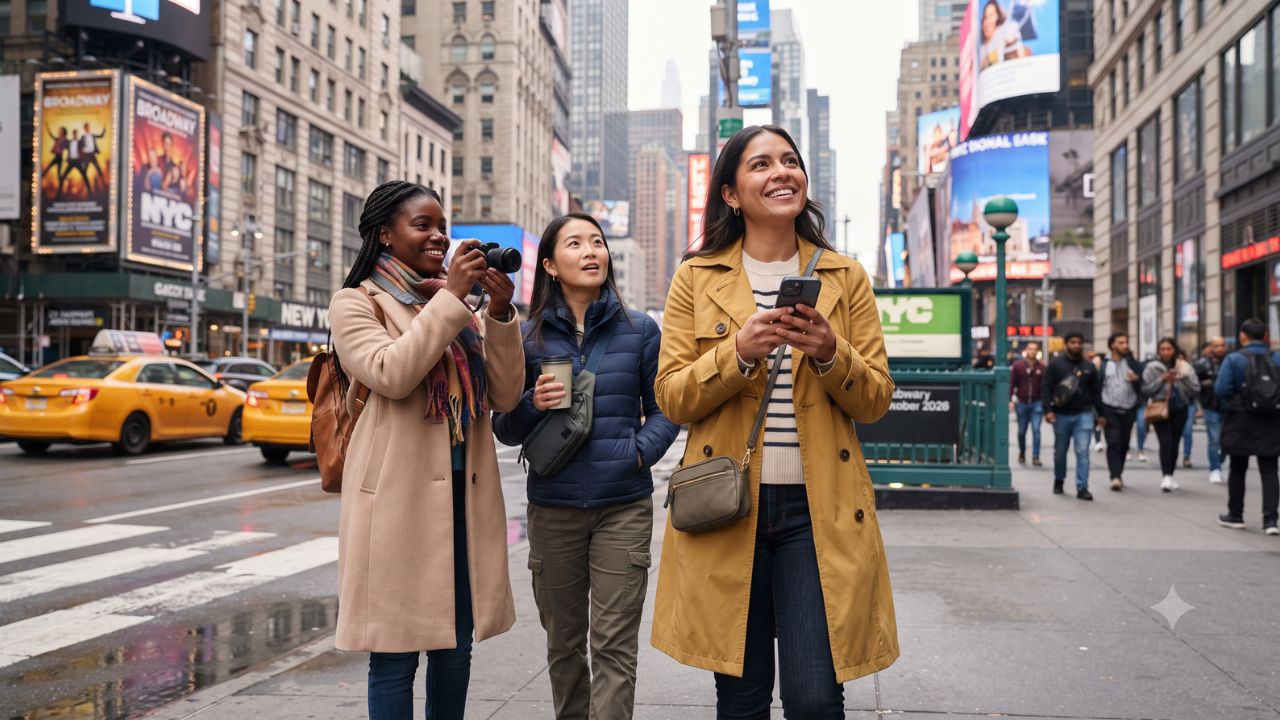
During August 2026, the entire New York City subway network recorded zero shooting incidents, zero murders, and zero rapes across millions of daily rides, while transit robberies dropped to an all-time monthly record low of 27. For independent adventurers who have long hesitated to explore the Five Boroughs alone, the newest municipal safety figures paint a markedly different picture from outdated sensational headlines.
According to official data released by the City of New York NYPD, overall major crime across the city fell 6.6 percent in August 2026, totaling 10,276 incidents compared to 11,000 during August 2025. Violent offenses showed substantial drops: homicides dropped 34.3 percent, robberies declined 13.3 percent, burglaries fell 9.1 percent, and grand larceny decreased by 6.5 percent. Summer gun violence also reached historic lows, with 195 shooting incidents recorded across June, July, and August 2026—the lowest total summer count ever registered by the department. August alone logged 61 shootings versus 77 during the same month last year, representing a 20.8 percent drop.
While these citywide metrics reflect steady improvement across a population of more than 8 million residents, smart solo travel still relies on practical situational awareness, district-level research, and an intimate understanding of neighborhood dynamics.
Shifting Urban Realities: Crime Reductions and Transit Milestones
The ongoing reduction in serious crime offers genuine reassurance for solo travelers, particularly those exploring the city after dark or utilizing municipal transit. The rapid expansion of surveillance coverage, visible platform patrols, and targeted neighborhood enforcement have contributed to a measurable drop in violent encounters across Manhattan, Brooklyn, Queens, the Bronx, and Staten Island.
NYC OFFICIAL SAFETY & CRIME AUDIT
| Metric Category | August 2025 | August 2026 | Change (%) |
|---|---|---|---|
| Total Major Crimes | 11,000 | 10,276 | -6.6% |
| Homicides | Baseline | 34.3% Drop | -34.3% |
| Robberies | Baseline | 13.3% Drop | -13.3% |
| Burglaries | Baseline | 9.1% Drop | -9.1% |
| Grand Larceny | Baseline | 6.5% Drop | -6.5% |
| Monthly Shooting Incidents | 77 | 61 | -20.8% |
| Total Summer Shootings | Higher | 195 | Record Low |
| Subway Transit Robberies | Higher | 27 | Record Low |
| Subway Shootings / Murders | Low | 0 | Zero Record |
Despite the encouraging drop in violent crime, opportunistic property offenses remain the primary concern for visitors. The NYPD warns that unattended bags, exposed luxury items, and pickpocketing account for nearly 50 percent of all major subway crimes. Independent explorers should distinguish between actual physical safety and property vulnerability: violent encounters are rare, but setting a smartphone on an open café table or zoning out with noise-canceling headphones can quickly invite opportunistic theft.
What Makes Manhattan Neighborhoods Different for Solo Exploration
Manhattan is built upon an easy-to-navigate grid system, yet every quarter maintains its own energy, foot-traffic rhythm, and safety profile. Selecting the right base eliminates long late-night transit commutes and puts you directly among locals.
Midtown Manhattan: High Density and Immediate Transit Access
Midtown contains iconic destinations like Times Square, Broadway theaters, Rockefeller Center, Fifth Avenue, and the southern edge of Central Park. The dense pedestrian flow means you are never alone on the street, which deters violent crime. However, the high concentration of visitors makes Midtown the prime target for aggressive street solicitors, costumed character scams, and pickpockets. Stay alert around busy crosswalks and avoid engaging with unofficial street sellers.
Lower Manhattan: Historic Corridors and Waterfront Walks
Covering the Financial District, Wall Street, the 9/11 Memorial, Battery Park, and the Brooklyn Bridge pedestrian entrance, Lower Manhattan offers wide sidewalks and heavy daytime security. While weekday afternoons buzz with office workers, evening hours become quiet and calm. Solo walkers can enjoy peaceful sunset strolls along the harbor, provided they stick to well-lit main avenues after financial offices close.
Greenwich Village and SoHo: Architectural Charm and Evening Life
Greenwich Village and SoHo trade high-rise office towers for 19th-century brownstones, cobblestone side streets, indie bookshops, and lively dining spots. These quarters stay active late into the night with diners and theatergoers, making them comfortable for solo evening walks. Sidewalk cafés allow independent travelers to dine without feeling conspicuous.
Upper West Side and Upper East Side: Residential Serenity and Museum Rows
Flanking Central Park, both the Upper West Side and Upper East Side offer leafy residential streets, family bakeries, and direct access to world-class institutions like the American Museum of Natural History and the Metropolitan Museum of Art. These areas provide a quieter refuge away from commercial centers while maintaining low crime rates and direct express subway connections.
Comprehensive Transit Comparison for Independent Explorers
Navigating New York efficiently requires choosing the right transport mode based on hour, distance, and comfort level.
Transport Modes and Safety Ratings for Solo Visitors
| Transport Method | Cost per Trip | Availability | Best Use Case | Solo Traveler Safety Rating |
|---|---|---|---|---|
| NYC Subway (OMNY Tap) | $2.90 | 24 Hours / 7 Days | Cross-borough travel & fast mid-day hops | High (Stand near conductor's car) |
| Select Bus Service (SBS) | $2.90 (Free transfer) | Day & Evening | Crosstown travel & scenic surface routes | Very High (Always staffed & visible) |
| Official Yellow / Green Cabs | Metred ($3.00 base + dist) | On-demand street hail | Late-night transit after midnight | High (Regulated by NYC TLC) |
| Licensed Ride-Hailing Apps | Dynamic pricing | 24 Hours | Outer-borough returns & late airport runs | High (In-app route tracking & share features) |
| Citi Bike Bikeshare | $4.79 / single unlock pass | 24 Hours | Hudson River Greenway & park loops | Medium-High (Use dedicated protected bike lanes) |
Visitor Insider Tips
Mastering New York City on your own requires practical urban strategies that experienced residents use every single day:
- Board Near the Conductor's Car: When riding the MTA New York City Transit subway late at night, look up at the ceiling above the middle of the platform for a suspended black-and-white striped board. The train conductor's window aligns precisely with this marker when the train stops. Riding in the middle car guarantees an active MTA employee is inside your car.
- Master the OMNY Tap-to-Pay Cap: You do not need to buy a physical MetroCard. Tap any contactless credit card or smartphone at the turnstile for $2.90. The system automatically caps your weekly transit expenditure once you complete 12 paid rides within a Monday-to-Sunday cycle, making all subsequent subway and local bus rides free for the rest of the week.
- Dine at Bar Counters and Food Halls: Solo dining is effortless in New York. Opt for bar seating at neighborhood trattorias or visit curated food halls like Chelsea Market, Essex Market, and Gotham West Market, where ordering single portions and eating solo is standard practice.
- Download Offline Maps Before Entering Stations: Deep underground subway platforms often lack cellular service. Save offline city maps on your smartphone to check transfer stations and exit street orientations before you lose signal.
- Stand Well Behind the Platform Edge: Always position yourself behind the raised yellow tactile warning strip on subway platforms. Stand with your back near a station pillar or wall rather than lingering close to the tracks while waiting for arriving trains.
Cultural and Environmental Context
New York's cultural fabric relies on shared public spaces where millions of residents and travelers cross paths every day. Independent travelers who support neighborhood-owned bakeries, community theaters, and outer-borough green spaces contribute directly to local economies beyond corporate tourism corridors.
At the same time, urban over-tourism in dense pockets like Lower Broadway and DUMBO has placed pressure on public transit infrastructure and sanitation. Travelers can reduce their footprint by using municipal subways instead of private vehicle rentals, carrying reusable water bottles, and visiting major cultural landmarks during off-peak morning hours. Engaging respectfully with service workers, tipping appropriately (18 to 22 percent at sit-down restaurants), and honoring quiet residential street etiquette after 10:00 PM helps sustain positive relationships between local communities and visitors. Official city travel programs promoted by NYC Tourism + Conventions encourage travelers to explore cultural hubs across all five boroughs.
FAQ: Solo Travel in New York City 2026
Is New York City safe for solo female travelers?
Yes. With major crime dropping 6.6 percent and violent transit offenses at historic lows, New York is widely traveled by independent women. Staying in well-lit districts and taking standard urban precautions ensures a secure trip.
What is the single safest way to ride the subway late at night?
Wait in the platform center near the suspended black-and-white striped conductor board, ride in the middle car with the conductor, and avoid empty train cars or wearing noise-canceling headphones.
How do I handle aggressive street solicitors or ticket vendors?
Do not stop, engage, or make eye contact. Give a firm "No, thank you" and keep walking. Buy all Broadway, museum, and observatory tickets directly through official online platforms.
What should I do during an emergency in New York City?
Dial 911 immediately for police, fire, or medical emergencies. For non-urgent municipal inquiries or minor neighborhood reports, dial 311 or speak to uniformed officers at any local precinct.
With informed preparation, situational awareness, and an appetite for discovery, solo travel in New York opens the door to one of the world's most exhilarating urban adventures.
Related Travel Guides
Disclaimer
This article is for informational and educational purposes only. It does not constitute legal, financial, or professional advice. While we strive to provide accurate and up-to-date information, travel policies, regulations, and conditions change rapidly. Always verify information with official sources before making travel decisions. Nomad Lawyer makes no representations about the accuracy, reliability, completeness, or suitability of the information provided. Readers should consult qualified professionals for advice specific to their circumstances. The views expressed in this article are those of the author and do not necessarily reflect the views of Nomad Lawyer.
Raushan Kumar
Founder & Lead Developer
Full-stack developer with 11+ years of experience and a passionate traveller. Raushan built Nomad Lawyer from the ground up with a vision to create the best travel and law experience on the web.
Learn more about our team →