
Northern England Tourism Boom 2026: Halifax and Newcastle Lead Cultural Renaissance
Northern England is emerging as a primary UK travel hub as Halifax, Newcastle, and Pennine towns leverage industrial heritage and creative innovation to attract global tourists.

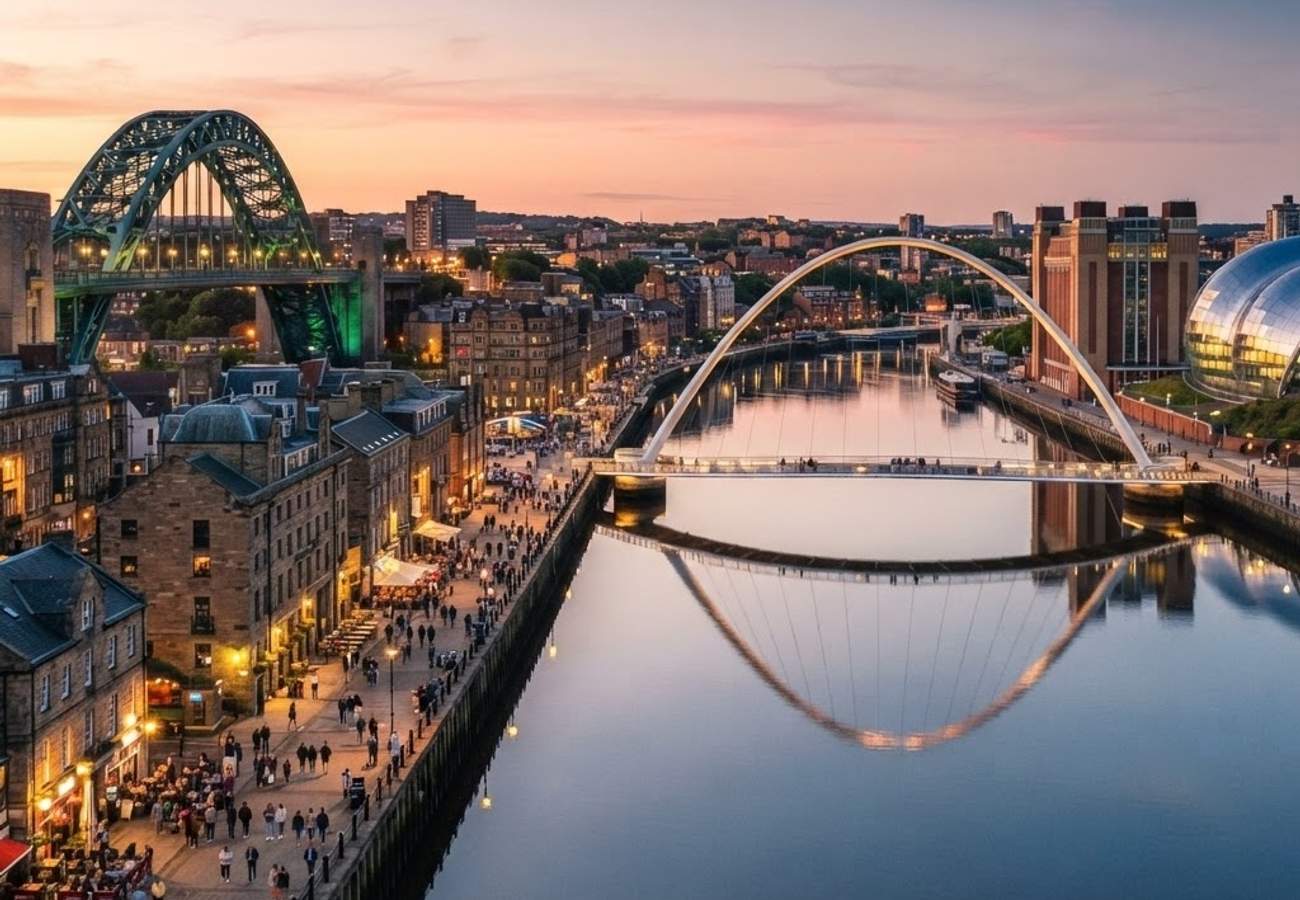
Image generated by AI
The traditional gravity of UK tourism is shifting north, as former industrial heartlands evolve into premier destinations for heritage and adventure.
Northern England is currently experiencing a systemic cultural renaissance. Cities and towns like Halifax and Newcastle upon Tyne are no longer viewed merely as industrial relics but as burgeoning hubs of creativity and tourism. By blending regional investment with a fierce commitment to local identity, the region is successfully decoupling its travel appeal from the dominance of London.
This transformation is driven by a strategic pivot toward "Information Gain" in tourism—offering visitors authentic, community-led experiences rather than sanitized commercial tours. From the sustainable food movements of the Pennines to the architectural regeneration of West Yorkshire, the North is redefining the UK travel narrative.
Todmorden: A Blueprint for Sustainable Community Tourism
Located on the border of Lancashire and Yorkshire, Todmorden has emerged as a global example of how community-driven initiatives can fuel tourism. The town has avoided the pitfalls of over-commercialization by focusing on genuine local participation.
The catalyst for this shift was the "Incredible Edible" movement. This initiative converted neglected public spaces into productive food-growing areas, rebranding the town as a center for environmental awareness and sustainable living.
Visitors to Todmorden now find:
- Authentic Markets: Open-air markets operating most of the week, showcasing local produce.
- Local Hospitality: A dense network of independent pubs and historic venues.
- Value-Driven Stays: A rise in boutique guesthouses and traditional B&Bs catering to authenticity-seekers.
Hebden Bridge: The Pennine Creative Sanctuary
Adjacent to Todmorden, Hebden Bridge serves as the region's artistic heartbeat. Once a textile center, it has transitioned into a haven for writers, artists, and innovators who were drawn to its canals and historic architecture in the late 20th century.
The town is notable for its resistance to corporate retail. The high street remains dominated by independent bookshops, galleries, and craft stores, preserving a distinctive personality that attracts cultural tourists.
For the active traveler, Hebden Bridge provides a gateway to the Pennine landscape. The area is highly prized for its scenic trails and proximity to the Brontë landscapes, blending literary heritage with outdoor exploration.
Halifax: Industrial Architecture as a Modern Asset
Halifax provides a masterclass in heritage regeneration. By repurposing its history as a global wool trade center, the town has converted industrial assets into high-traffic cultural attractions.
The focal point of this revival is The Piece Hall. This Grade I listed Georgian building, originally a cloth trading center, has been restored into a premier retail and entertainment complex. It now functions as a major venue for large-scale concerts and exhibitions, effectively challenging the notion that elite cultural experiences are exclusive to Southern England.
Complementing this is Shibden Park, which continues to draw international crowds due to its prominence in historical television productions, further diversifying the town's tourism draw.
Newcastle upon Tyne: The Urban Cultural Powerhouse
While the Pennine towns offer quiet creativity, Newcastle upon Tyne provides the urban energy of the North East. The city has successfully integrated its maritime history with contemporary innovation.
The Quayside, anchored by the iconic Tyne Bridge and Millennium Bridge, has been transformed into a vibrant district of galleries and creative businesses. A key pillar of this urban success is the Baltic Centre for Contemporary Art, housed in a converted industrial warehouse, which stands as one of the region's most significant cultural institutions.
Newcastle also functions as a strategic logistics hub for travelers. It offers an affordable base for exploring:
- The Northumberland coastline.
- The historic fortifications of Hadrian's Wall.
- Regional castles and maritime heritage sites.
Regional Tourism Impact Analysis
The rise of the North signals a broader trend in global travel: the preference for "slow travel" and authentic regionalism over metropolitan hubs. The following table summarizes the primary drivers of growth across these key destinations.
| Destination | Primary Tourism Driver | Key Landmark/Initiative | Visitor Profile |
|---|---|---|---|
| Todmorden | Sustainable Living | Incredible Edible | Eco-conscious / Culinary |
| Hebden Bridge | Arts & Literature | Independent Retail Hub | Creatives / Hikers |
| Halifax | Heritage Regeneration | The Piece Hall | Culture Seekers / History Buffs |
| Newcastle | Urban Innovation | Baltic Centre / Quayside | City Break / History Explorers |
Strategic Takeaways for the Modern Traveler
- Beyond London: Northern England now offers a high-value alternative to the capital, combining lower costs with rich cultural density.
- Heritage Fusion: The region excels at blending "Old World" industrial architecture with "New World" creative industries.
- Nature Accessibility: The proximity of urban hubs like Newcastle and Halifax to the Pennines and Northumberland coast allows for seamless "City-to-Wilderness" itineraries.
The North is no longer a detour on a UK trip—it is the destination.
Related Travel Guides
Disclaimer
This article is for informational and educational purposes only. It does not constitute legal, financial, or professional advice. While we strive to provide accurate and up-to-date information, travel policies, regulations, and conditions change rapidly. Always verify information with official sources before making travel decisions. Nomad Lawyer makes no representations about the accuracy, reliability, completeness, or suitability of the information provided. Readers should consult qualified professionals for advice specific to their circumstances. The views expressed in this article are those of the author and do not necessarily reflect the views of Nomad Lawyer.
Preeti Gunjan
Contributor & Community Manager
A passionate traveller and community builder. Preeti helps grow the Nomad Lawyer community, fostering engagement and bringing the reader experience to life.
Learn more about our team →