
New Mexico Tourism Champions Real Stories With AI Free Marketing Pledge to Preserve Destination Authenticity
New Mexico Tourism Champions Real Stories With AI Free Marketing Pledge to Preserve Destination Authenticity

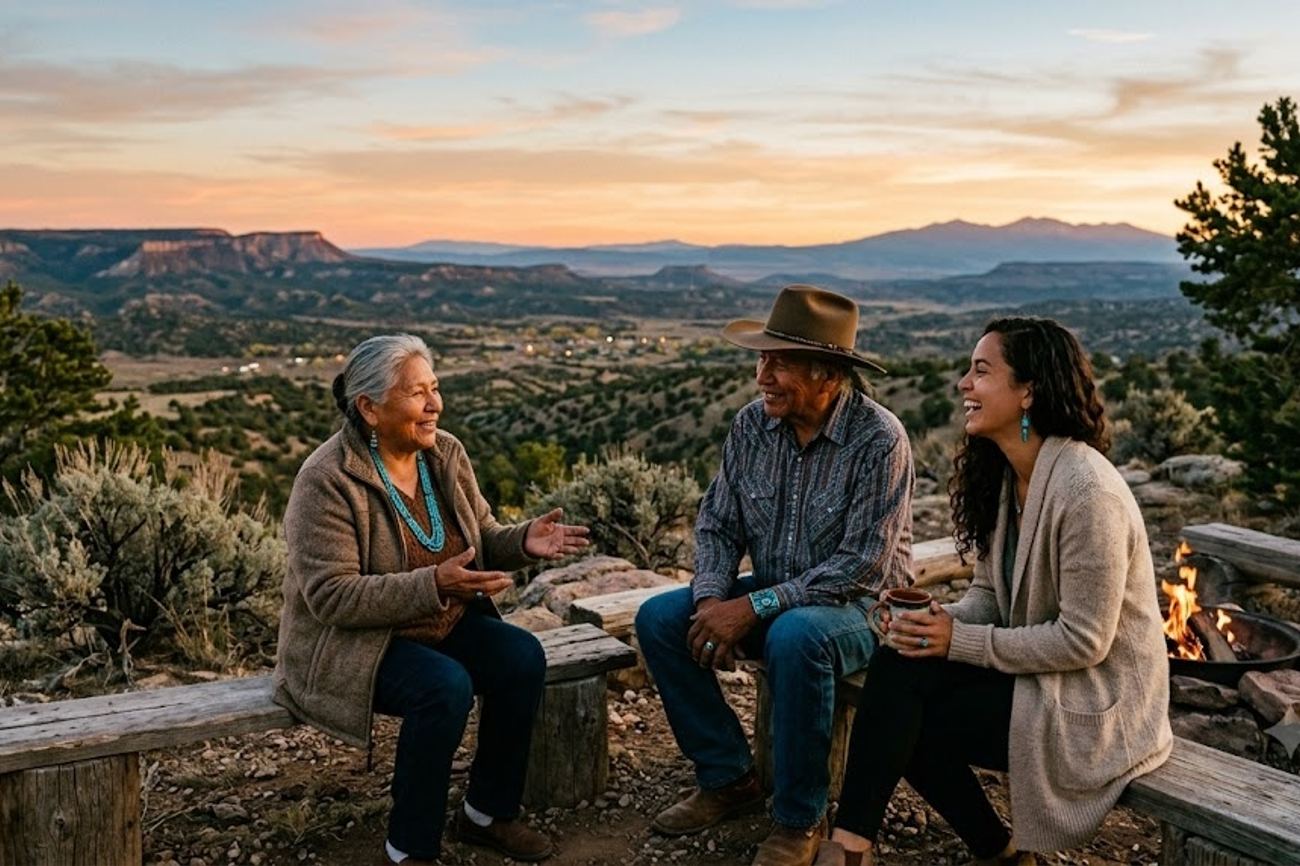
Image generated by AI
New Mexico has just become one of the first destinations in the world to officially ban generative AI from its tourism advertising. While other regions lean into digital automation, the New Mexico Tourism Department is doubling down on human creativity through a pledge called "Keep it True," demanding that every image, story, and video used to lure visitors be a factual representation of the land and its people.
The War on Synthetic Sightseeing
In an era where a prompt can generate a flawless, sun-drenched mesa or a perfectly curated pueblo scene, New Mexico is taking a stand against the "uncanny valley" of travel marketing. The "Keep it True" initiative is not merely a suggestion; it is a formal commitment for tourism businesses and organizations across the state to abandon AI-generated imagery and narratives in favor of genuine human storytelling.
The core of this movement is a refusal to misrepresent the state's identity. By requesting that advertisers avoid fabricated subjects and digitally synthesized locations, the state is protecting the emotional contract between the destination and the traveler. When you see a photo of the Sangre de Cristo Mountains or a local artisan in Santa Fe, the state wants you to know that the light, the texture, and the person are real. This shift comes as a response to a global trend where AI-generated content is becoming indistinguishable from reality, threatening to create a gap between the promise of a brochure and the reality of the arrival.
This commitment is a direct investment in the local creative economy. Instead of relying on algorithms, the "Keep it True" pledge encourages a return to collaborating with professional photographers, writers, and designers. These are the people who possess the nuanced, real-world knowledge of the high desert—the specific way the wind hits the dunes or the exact shade of ochre in an adobe wall—that a machine simply cannot replicate.
What Makes New Mexico Different
New Mexico is not a place that lends itself to generic imagery. Its identity is rooted in a complex, layered history of Indigenous cultures, Spanish colonial influence, and a rugged, high-altitude geography that defies simple categorization. From the white sands of the south to the volcanic fields of the north, the state’s allure lies in its raw, often unpredictable nature.
The "New Mexico True" brand has always positioned the state as a sanctuary for authenticity. Whether it is the ancient architecture of Taos Pueblo—a UNESCO World Heritage site that has been inhabited for over a thousand years—or the avant-garde art scene in Santa Fe, the experience is tactile and visceral. The state's leadership recognizes that the "character" of the region—the smell of roasting green chiles in autumn, the silence of the desert at midnight, and the deep-rooted traditions of the Acequia systems—cannot be synthesized.
This commitment to truth is mirrored in other parts of the U.S. For instance, the Tennessee Department of Tourist Development has launched a similar "Yeah, It’s Real" campaign, which even includes an authenticity label to verify that images are not AI-generated. Together, these regions are signaling that in a digital-first world, "real" is becoming a luxury commodity.
Visitor Insider Tips
To experience New Mexico through the lens of the "Keep it True" philosophy, you have to move beyond the primary tourist hubs and engage with the rhythms of the locals.
Timing Your Arrival Avoid the peak "leaf-peeping" crowds in October if you want a solitary experience in the mountains. Instead, visit in late September. You will still catch the turning aspens, but the trails are quieter. For those visiting the southern deserts, the window between March and May offers the most temperate weather before the oppressive summer heat arrives.
Local Etiquette and Engagement When visiting Indigenous communities or traditional pueblos, remember that these are living homes, not museums. Always ask permission before taking photographs of people or private dwellings. A slow, respectful approach is valued over a rushed itinerary. If you are invited into a home or a gallery, take the time to listen to the story behind the craft; the narrative is as important as the object.
The Culinary Code You will be asked "Red or Green?" regarding your chile. This refers to the two primary types of New Mexico chile. If you cannot decide, the local answer is "Christmas," which means you get both. For a truly authentic meal, seek out the small, family-run cafes in rural plazas rather than the high-end bistros in the city centers.
Transport Hacks While the official New Mexico tourism resources provide great overviews, the best way to see the state is via a rented 4WD vehicle. Many of the most stunning vistas and authentic communities are accessible only via unpaved roads. Be cautious of "washouts" during the monsoon season (July-August), as dirt roads can become impassable in minutes.
Cultural and Environmental Context
The push for authenticity in marketing is not just about aesthetics; it is about the survival of local communities. When tourism is marketed through AI, the "idealized" version of a place often replaces the actual community. This can lead to "over-tourism" in spots that look like the AI images, while the actual, living heritage sites are ignored.
By insisting on real photography and human storytelling, New Mexico is ensuring that the economic benefits of tourism are distributed to the people who actually live there—the photographers who know the hidden canyons and the writers who understand the local dialects. There is also an environmental component to this. AI-generated perfection often erases the "imperfections" of nature—the scrubland, the dust, the weathered ruins. By showcasing the land as it truly is, the state encourages a more sustainable form of tourism based on respect for the environment's actual condition rather than a polished, digital fantasy.
This approach also addresses a growing psychological trend among travelers. Gallup research indicates a significant portion of Americans view AI-generated ads negatively, preferring original artistic work. Travelers are increasingly seeking "radical authenticity"—experiences that are unpolished, honest, and human. New Mexico is betting that by being the most honest destination in the room, they will attract the most loyal visitors.
FAQ: Visiting New Mexico 2025
What is the best time to visit? Spring (March to May) and Autumn (September to November) offer the most comfortable temperatures. Autumn is particularly famous for the changing colors of the mountains and the annual chile harvest.
Do I need a visa to visit? Visitors to New Mexico must follow U.S. federal immigration laws. Most international travelers require an ESTA or a valid B1/B2 visitor visa depending on their country of origin.
How do I get there from major hubs? The easiest access is via Albuquerque International Sunport (ABQ). From there, you can rent a car to reach Santa Fe (about 1 hour) or head south toward Las Cruces and White Sands.
Is it safe for solo travelers? Yes, New Mexico is generally safe for solo travelers. However, if hiking or driving in remote desert areas, always notify someone of your itinerary, carry extra water, and be aware that cell service is non-existent in many canyons.
In a world of digital illusions, the most daring thing a destination can do is simply be itself.
#NewMexicoTravel2025 #KeepItTrue #SantaFeCulture #LandOfEnchantment #AuthenticTravelUSA
Related Travel Guides
- Flights Cancelled Throughout Europe As 2,365 Delays And 85 Cancellations Affect Travel Across Vienna, Rome, And 15 Major Airports
- Greece Joins Italy And More As Athens Unveils Heritage Events To Connect Travellers With Living Culture
- Greece Moves With Egypt as Aegean Airlines Starts Direct Thessaloniki Cairo Flights Driving Travel Growth
Disclaimer
This article is for informational and educational purposes only. It does not constitute legal, financial, or professional advice. While we strive to provide accurate and up-to-date information, travel policies, regulations, and conditions change rapidly. Always verify information with official sources before making travel decisions. Nomad Lawyer makes no representations about the accuracy, reliability, completeness, or suitability of the information provided. Readers should consult qualified professionals for advice specific to their circumstances. The views expressed in this article are those of the author and do not necessarily reflect the views of Nomad Lawyer.
Kunal K Choudhary
Co-Founder & Contributor
A passionate traveller and tech enthusiast. Kunal contributes to the vision and growth of Nomad Lawyer, bringing fresh perspectives and driving the community forward.
Learn more about our team →