
New Chitose Airport in Japan Implements AI to Boost Capacity
New Chitose Airport has integrated artificial intelligence and computer vision to optimize ground operations and unlock operational capacity.
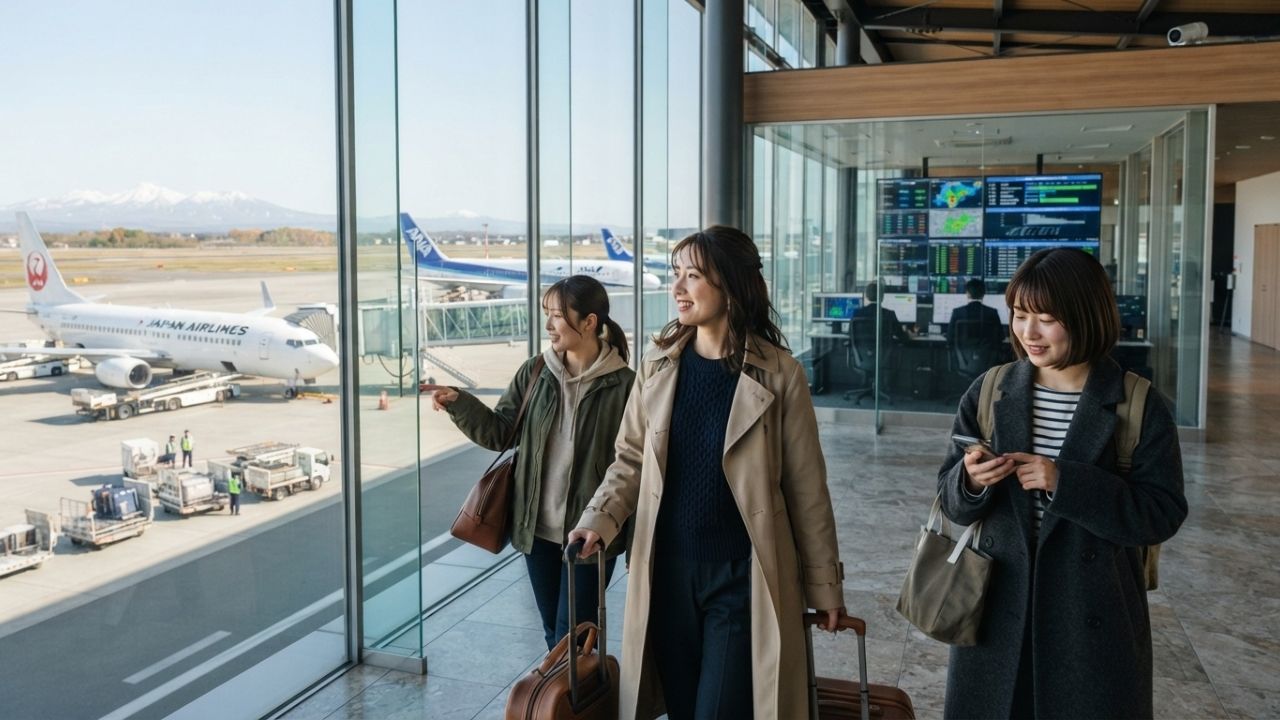
Image generated by AI
Implementing artificial intelligence and computer vision technology to optimize ground operations and avoid construction-related gate expansions, Japan's New Chitose Airport is unlocking hidden operational capacity.
The Core Transit Update
Civil aviation hubs and regional passenger terminals across Asia are turning to advanced digital technologies to manage increasing travel demand. New Chitose Airport, serving as the main gateway to Hokkaido, has introduced an AI-powered operations management system designed to streamline airport apron activities.
By tracking milestones during the aircraft turnaround process—such as baggage unloading, passenger boarding, cabin cleaning, refueling, and catering—the real-time system identifies ground delays early, allowing coordinators to reallocate resources and maintain flight schedules without relying on costly physical runway or terminal expansions.
Aircraft Turnaround & Capacity Optimization
Maximizing airport efficiency requires coordinating multiple ground service milestones. The following tables outline the AI-monitored steps in the aircraft turnaround process and compare physical versus operational capacity approaches.
| Aircraft Turnaround Phase | Monitored Operational Action | AI Technology Utilized | Strategic Punctuality Value |
|---|---|---|---|
| 1. Ground Unloading | Baggage & cargo retrieval | Computer vision camera tracking | Reduces baggage claim wait times |
| 2. Cabin Service | Aircraft cleaning & catering | Apron milestone tracking | Minimizes next-leg boarding delays |
| 3. Technical Prep | Refueling & push-back checks | Real-time sensor coordination | Prevents runway slot delays |
| 4. Boarding Process | Passenger boarding gates | Stand efficiency management | Maximizes terminal gate utilization |
AI-monitored milestones in aircraft turnaround.
| Airport Capacity Type | Infrastructure Determinant | Management Optimization Focus | Strategic Digital Solution |
|---|---|---|---|
| Physical Capacity | Runways, gates, & terminal space | Long-term capital construction | Gate & terminal expansion |
| Operational Capacity | Resource allocation & turnaround | Apron computer vision & AI tracking | AI-based resource management |
Physical vs. operational airport capacity solutions.
Traveler Logistics Guide
From a ground-level perspective, the best way to navigate this is to download your operating airline's mobile application before arriving at New Chitose Airport, as the automated apron coordination feeds real-time flight status and boarding updates directly to passengers, helping you track gate assignments and baggage delivery times. Checking gate departure updates is recommended.
To plan your transit at New Chitose Airport:
- Allow Safe Transfer Windows: When connecting from domestic Hokkaido routes to international flights, coordinate a layover of at least two hours to clear immigration and customs.
- Observe Winter Travel Schedules: During snowy periods, AI-monitored de-icing queues optimize departure times. Follow digital screen alerts at terminal gates for real-time de-icing delays.
- Utilize Ground Transport Links: New Chitose Airport is connected to Sapporo by the JR Hokkaido Rapid Airport train, which departs every 12 minutes and reaches Sapporo Station in 37 minutes.
- Review Baggage Drop Timelines: Use the self-service baggage drop counters at the domestic terminal to bypass peak check-in queues, as computer vision systems prioritize early baggage scanning.
Infrastructure Impact Assessment
The integration of artificial intelligence at New Chitose Airport sets a precedent for regional gateways facing high passenger volumes and labor shortages.
By maximizing aircraft stand efficiency and minimizing ground delays through computer vision, port authorities expand operational capacity within existing boundaries, improve flight punctuality, and strengthen Hokkaido's international tourism network without requiring immediate, high-cost terminal construction.
Related Travel Guides
Emirates Reaches Two Million Passengers at London Stansted
Shravani Mela 2026 Deoghar Travel Tips and Logistics Guide
10 Best Travel Tips for Navigating Terminals, Arranging Train Transfers, and Booking Flights via New Chitose Airport (CTS) in Hokkaido, Japan, According to Reddit
Disclaimer
This article is for informational and educational purposes only. It does not constitute legal, financial, or professional advice. While we strive to provide accurate and up-to-date information, travel policies, regulations, and conditions change rapidly. Always verify information with official sources before making travel decisions. Nomad Lawyer makes no representations about the accuracy, reliability, completeness, or suitability of the information provided. Readers should consult qualified professionals for advice specific to their circumstances. The views expressed in this article are those of the author and do not necessarily reflect the views of Nomad Lawyer.