US State Department Tightens Holiday Travel Advisories for Americans Abroad in 2026

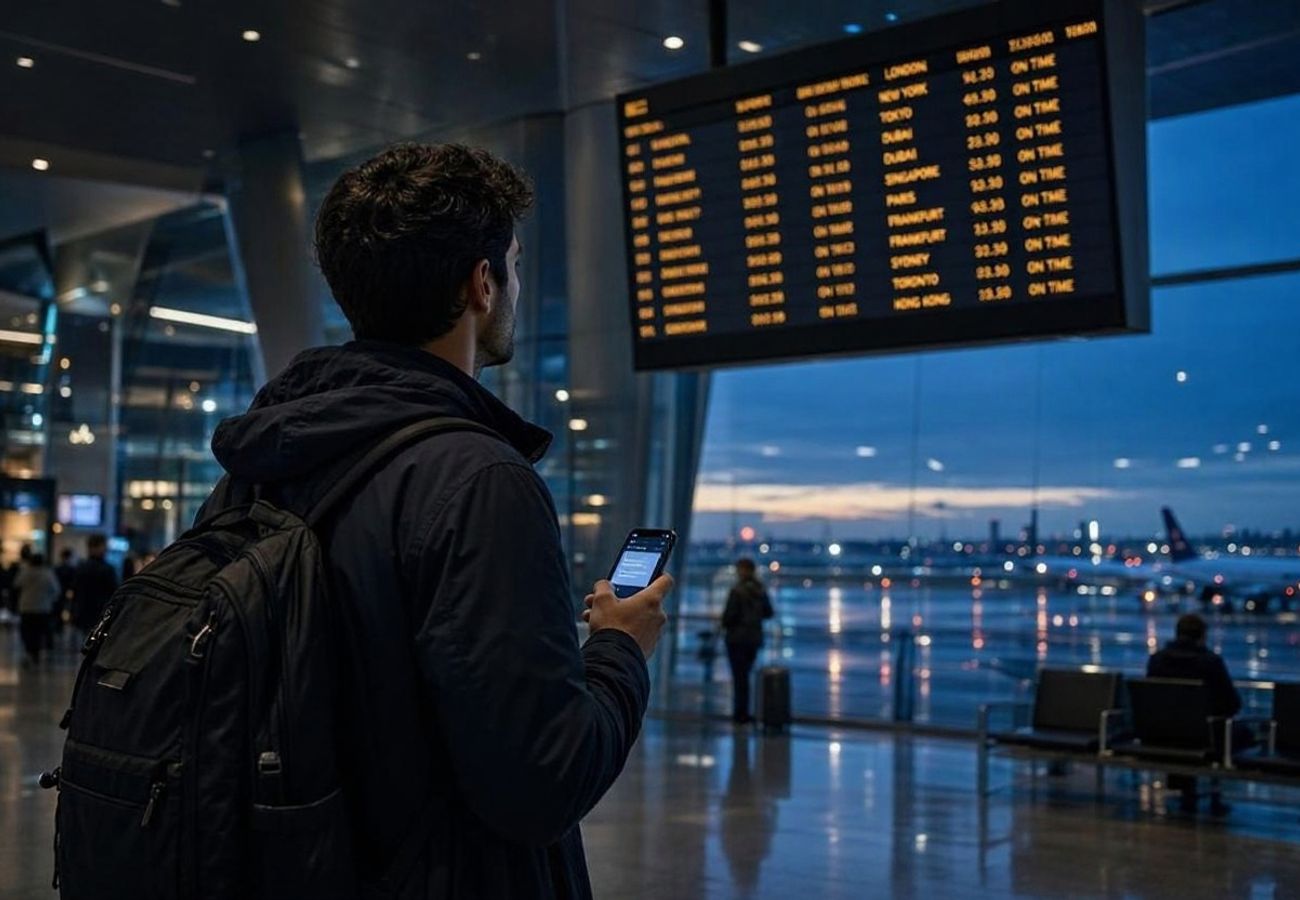
Image generated by AI
Are you planning an international getaway for the 2026 holiday season? You need to account for a significantly more restrictive security environment as the U.S. State Department has tightened its global guidance for American citizens.
The 2026 Worldwide Caution Baseline
The U.S. government has implemented a standing Worldwide Caution for 2026, which serves as a mandatory baseline for all citizens leaving the country. This is not a travel ban, but a formal warning that the global security climate is unsettled. The alert specifically highlights the risk of terrorism, civil unrest, and violence targeting U.S. interests.
For the nomad or frequent traveler, this means the "standard" level of risk has shifted. The State Department has refreshed this alert multiple times since early 2026, signaling that the threat is not static. Travelers are now expected to avoid large crowds, monitor local news in real-time, and maintain strict communication loops with their home contacts.
Risk Levels and Destination Status
The State Department utilizes a four-tier system to categorize risk. While most of the world falls under Levels 1 or 2, the 2026 data shows a concerning trend in high-risk zones.
| Advisory Level | Definition | 2026 Status/Impact | Action Required |
|---|---|---|---|
| Level 1 | Exercise Normal Precautions | Standard security | Routine planning |
| Level 2 | Exercise Increased Caution | Heightened vigilance | Monitor local news |
| Level 3 | Reconsider Travel | Serious risks present | Avoid non-essential trips |
| Level 4 | Do Not Travel | Extreme risk/No US support | Immediate avoidance |
Currently, more than 20 countries are classified as Level 4. In these regions, the U.S. government admits it has very limited capacity to provide consular assistance. Furthermore, many private travel insurance policies automatically void coverage once a destination hits Level 4, leaving travelers financially exposed in an emergency.
Traveler Logistics Guide: Step-by-Step Preparation
If you are proceeding with your year-end plans, you must move beyond basic booking and into active risk management. Follow these logistics steps to ensure you are covered.
1. Mandatory Enrollment in STEP Your first priority is to register with the Smart Traveler Enrollment Program (STEP). This digital system allows the nearest U.S. embassy to push urgent security alerts to your phone and helps consular officers locate you during an evacuation or natural disaster.
2. Europe-Specific Transit Strategy Europe is currently experiencing a wave of coordinated bomb threats targeting rail hubs and airports. While many of these are hoaxes, they cause genuine operational chaos.
- Buffer Zones: Add a minimum of 4-6 hours to any tight connections in major European hubs.
- Alternative Transport: Identify secondary transport options (e.g., switching from rail to a reputable coach service) if a primary station is closed due to a security sweep.
- Digital Backups: Store encrypted copies of your passport and insurance on a cloud drive and share access with a trusted contact.
3. Communication and Connectivity Do not rely on hotel Wi-Fi. Ensure your device is unlocked and compatible with local eSIMs or has a robust roaming plan. Verify that your phone can receive SMS alerts from the U.S. Department of State while abroad.
4. Financial and Insurance Audit Review your policy's "fine print" regarding government advisories. If your destination moves from Level 2 to Level 3 while you are en route, check if your "Cancel for Any Reason" (CFAR) clause is still active.
Regional Connectivity Impact
The tightening of these advisories is reshaping how Americans move through global hubs. In Europe, the intersection of traditional terrorism threats and new cyber-attacks on transport infrastructure means that "seamless" transit is currently a myth. Travelers visiting Christmas markets or New Year's Eve events should expect localized lockdowns and increased security screenings.
In Level 4 zones, the lack of commercial flight options is becoming more pronounced. Travelers who ignore these warnings often find themselves stranded without diplomatic recourse or viable exit routes. The current posture of the U.S. government suggests that international travel in late 2026 is no longer a return to "normality," but a calculated exercise in risk assessment.
FAQ: US Travel Advisories 2026
Do I need a visa if a country is Level 2? Yes. Travel advisory levels refer to security risks, not entry requirements. You must still follow all standard visa and passport regulations for your destination.
Will my travel insurance cover me in a Level 4 country? Likely not. Most providers exclude coverage for destinations under a "Do Not Travel" warning. Check your policy's specific exclusions regarding government advisories.
How long do these security alerts usually last? Worldwide Cautions can remain in effect for several months or years. They are updated based on geopolitical tensions and are not tied to a specific calendar date.
What is the best way to get real-time alerts? The most effective method is registering with the STEP program and following the official State Department travel accounts on social media.
Travel is a reward, but in 2026, it is one that requires a professional approach to safety.
Related Travel Guides
This article is for informational purposes. Flight routes, passenger regulations, visa rules, and transit advisories are subject to change by airlines and aviation authorities. Readers are advised to verify schedules and travel documentation with relevant carriers and border agencies before departure.
Related Stories
US State Department Issues 2026 Worldwide Caution: Holiday Travel Security Alerts and Rights

US State Department Worldwide Caution Alert 2026: Impact on Middle East Aviation and Travel Insurance