Madrid to Cáceres Transport Guide 2026: Renfe Train and Avanza Bus Routes and Schedules

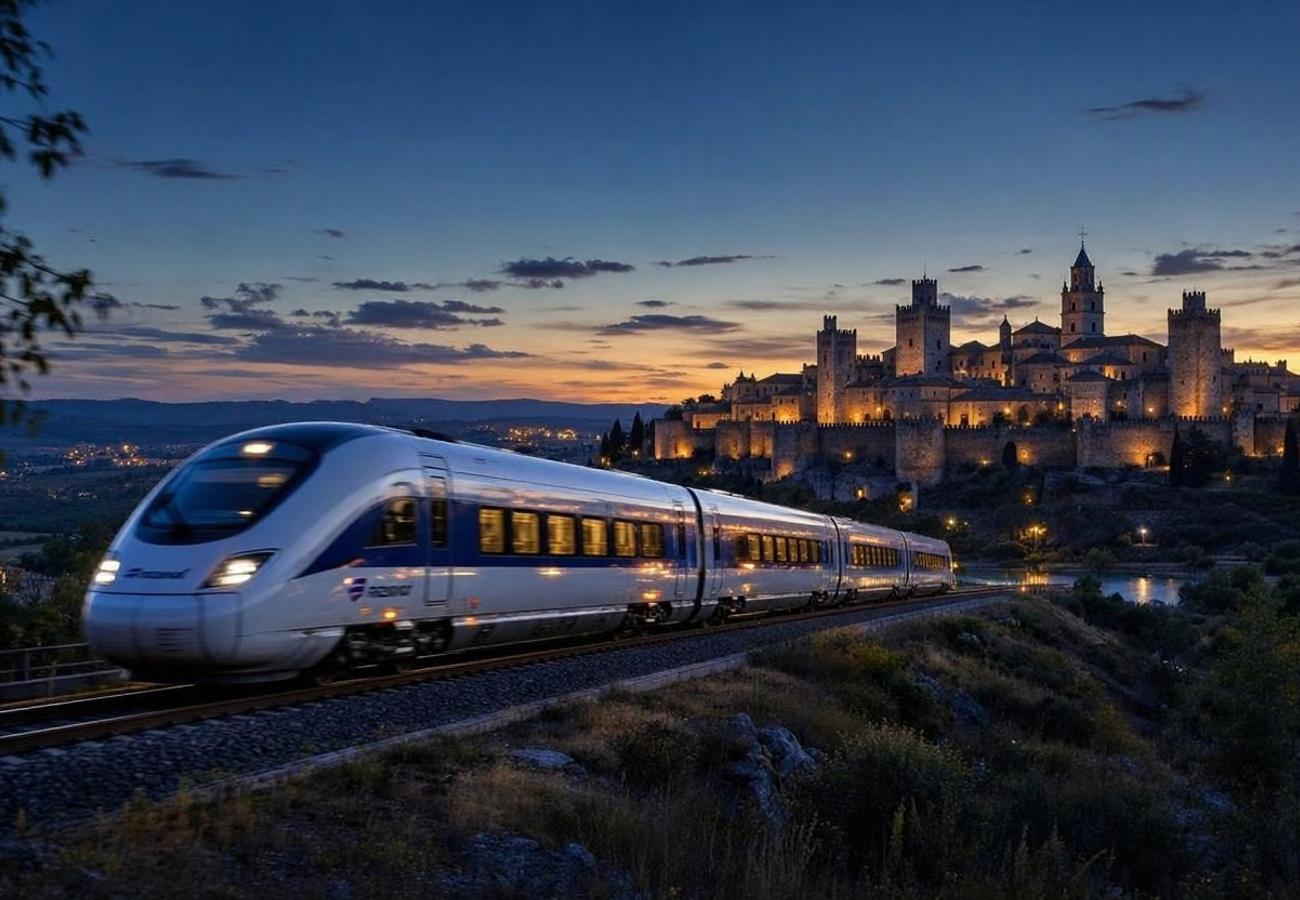
Image generated by AI
[Madrid, November 13, 2026] — Public transport links between Madrid and the UNESCO World Heritage city of Cáceres have reached peak efficiency for the 2026 winter season, offering travelers a choice between high-speed rail and frequent coach services. The 300-kilometer corridor serves as the primary artery for visitors seeking the medieval stone palaces and towers of the Extremadura region without the need for a rental car.
The transit network is currently dominated by two primary operators: Renfe, the national railway, and Avanza, the leading long-distance bus provider. While rail offers a faster, more spacious experience, the bus network provides higher frequency and flexibility for those departing outside of standard train windows.
Transport Options: Rail vs. Road
Travelers must balance speed against schedule availability. Renfe operates from the central Madrid Puerta de Atocha Almudena Grandes hub, while Avanza services primarily utilize the Estación Sur de Autobuses.
Comparative Transit Data: Madrid to Cáceres (November 2026)
| Mode | Operator | Departure Point (Madrid) | Avg. Duration | Starting Fare (One-Way) | Frequency |
|---|---|---|---|---|---|
| Train | Renfe (Alvia/MD) | Puerta de Atocha | 3h 25m – 4h 00m | €20 – €30+ | Limited (Direct morning) |
| Bus | Avanza | Estación Sur | 4h 30m – 4h 45m | €23 – €30 | High (~6 direct daily) |
Logistical Hubs and Transfers
Departing Madrid
Rail passengers depart from Madrid Puerta de Atocha, which is accessible via the Madrid Metro or the Cercanías commuter network. Those arriving at Madrid Barajas Airport should utilize the C-1 or C-10 lines to reach Atocha in approximately 30 minutes. A minimum 90-minute buffer is advised for flight-to-train connections.
Bus passengers utilize Estación Sur de Autobuses in the Méndez Álvaro district. This terminal is directly connected to Metro Line 6 and the Méndez Álvaro Cercanías stop, providing a streamlined transition from the airport or city center.
Arriving in Cáceres
Both the railway and bus stations are located on the southern periphery of the modern city. Neither terminal is within the medieval core. Passengers have three primary options for the final leg to the historic center:
- Taxi: The most efficient method, costing under €10 for a trip to Plaza Mayor.
- Local Bus: The Vectalia Cáceres network provides affordable transit to central arteries.
- Walking: A 20-to-25-minute walk (approx. 1.5–2 km) leads to Plaza Mayor, though this involves uphill gradients and cobblestones.
What This Means for Travelers
For the modern nomad or weekend tourist, the "best" route depends entirely on the departure window.
The Rail Advantage: If you can secure the direct morning Alvia or Media Distancia service, the train is the superior choice for comfort and speed. However, because tickets are train-specific and seats can sell out, advance booking is mandatory for peak weekend dates.
The Bus Advantage: Avanza is the reliability play. With six direct departures daily, it is the only viable option for those leaving Madrid on Friday evenings or returning Sunday afternoons when train slots are saturated.
Accessibility Warning: The transition from the transport hubs to the UNESCO ensemble is not seamless for those with limited mobility. The final approach to the old town involves significant slopes and uneven paving. Taxis are strongly recommended for drop-offs as close to the Arco de la Estrella as possible.
Exploring the UNESCO Medieval Ensemble
Once in the city center, the historic core is best navigated on foot. The architectural circuit typically begins at Plaza Mayor, the gateway to the walled city.
- Torre de Bujaco: A strategic watchtower offering panoramic views of the city's skyline.
- Arco de la Estrella: The primary monumental entrance into the walled precinct.
- Plaza de Santa María: A sandstone-heavy square featuring the co-cathedral and noble palaces.
- Palacio de los Golfines de Abajo: A Gothic-Renaissance residence. Note that interior tours require scheduled time slots and advance booking.
- The Jewish Quarter: Located on the southern slope, this area offers a contrast of narrow lanes and modest whitewashed facades.
FAQ: Madrid to Cáceres 2026
What is the fastest way to get from Madrid to Cáceres? The Renfe Alvia or Media Distancia train is the fastest option, with the quickest direct services taking approximately 3 hours and 25 minutes from Puerta de Atocha.
How much should I budget for a one-way ticket? Budget between €20 and €30. Regional trains start around €20, while Alvia services and peak-time Avanza buses typically range from €23 to over €30.
Can I walk from the Cáceres train station to the old town? Yes, it is a 2 km walk taking about 25 minutes. However, it involves uphill sections; a taxi is recommended for those with heavy luggage or mobility issues.
Do I need to book Palacio de los Golfines de Abajo in advance? Yes. Interior tours are limited to specific time slots and often sell out on weekends and public holidays.
A seamless blend of medieval stone and modern transit makes Cáceres the premier weekend escape from the capital.
Related Travel Guides
This article is for informational purposes. Flight routes, passenger regulations, visa rules, and transit advisories are subject to change by airlines and aviation authorities. Readers are advised to verify schedules and travel documentation with relevant carriers and border agencies before departure.
Related Stories

US Withdrawal from 2026 Qatar U-17 World Cup: Security Data and Travel Impacts
Winter Logistics in Annecy: Non-Skiing Travel Guide, Rail Costs, and Budgets for 2026