
The Sunset of a 150-Year Tradition: How Romanch's Law Is Reshaping New York's Central Park
New York City Council votes 40–2 to enact Romanch's Law, establishing a June 2028 phase-out of Central Park's historic horse-drawn carriages following a fatal tourist tragedy.

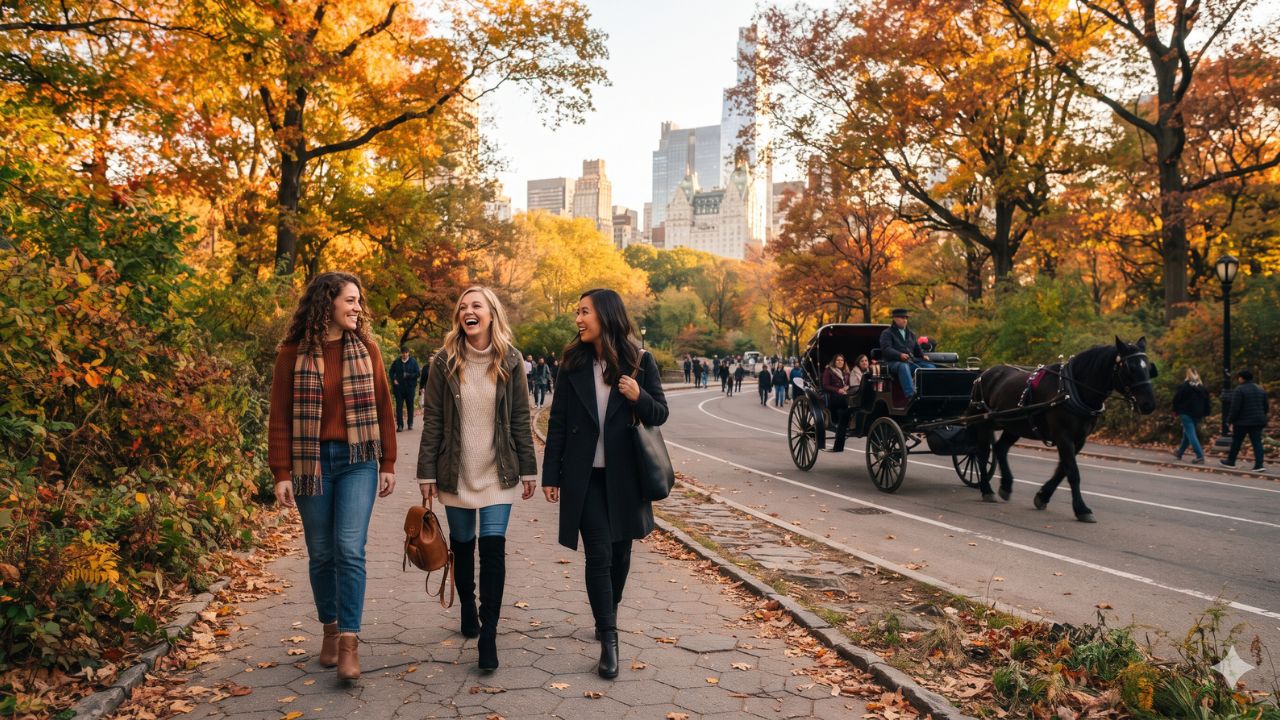
For more than 150 years, the rhythmic clatter of horse hooves along Central Park South has been one of Manhattan's defining cinematic rituals—yet that era now has a definitive expiration date. On 22 October 2026, the New York City Council voted decisively by a margin of 40–2, with two abstentions, to approve landmark legislation titled "Romanch's Law". The historic statute mandates the complete phase-out of commercial horse-drawn carriage operations in Central Park by 1 June 2028, granting an 18-month transitional bridge for licensed drivers, small operators, and animal welfare organizations to adapt.
The decisive legislative vote follows the tragic death of Romanch Mahajan, an 18-year-old traveler visiting from India with his family, who suffered fatal injuries when a carriage horse bolted along a park drive on 17 June 2026. Backed by City Council Speaker Julie Menin, Mayor Zohran Mamdani, and the Central Park Conservancy, the measure crystallizes decades of fierce municipal debate over urban animal welfare, traffic conflicts with electric bikes and pedestrians, and tourist safety. While carriages will continue operating through 31 May 2028, the decision marks a profound turning point in how global travelers will experience the crown jewel of American public parks.
Understanding Romanch's Law: Deadlines and Regulations
The legislation does not halt carriage rides overnight. Instead, lawmakers structured a multi-year wind-down designed to avoid sudden workforce dislocation while establishing strict protections against equine exploitation.
| Legislative Dimension | Statutory Detail / Recorded Metric | Practical Travel & Civic Impact |
|---|---|---|
| NYC Council Vote Outcome | Passed 40–2 (with 2 abstentions) on 22 October 2026 | Overwhelming municipal consensus supporting the ban |
| Legislative Name & Catalyst | "Romanch's Law" (Romanch Mahajan, 18, from India) | Enacted following fatal carriage bolting on 17 June 2026 |
| Final Commercial Operating Date | 31 May 2028 | Existing commercial carriage licenses legally expire |
| Total Prohibition Enforcement | Effective 1 June 2028 | Commercial horse carriage rides fully banned in Central Park |
| Workforce Transition Plan Deadline | 1 April 2027 | City required to present retraining and job placement program |
| Affected Industry Workforce | 150 to 200 licensed drivers | Multi-generational small business owners represented by TWU |
| Retired Equine Protection Mandate | Statutory anti-slaughter clause | Prohibits selling retired horses to slaughterhouses or illegal work |
| Historic Industry Longevity | More than 150 years of operation | Traditional fixture along Central Park South since the 1860s |
| Key Supporting Civic Entities | Council Speaker Julie Menin, Mayor Zohran Mamdani | Backed by the Central Park Conservancy citing pedestrian safety |
Under the statute, city agencies must deliver a comprehensive workforce transition plan by 1 April 2027. The plan aims to provide career counseling, vocational training, and green-transit employment opportunities for the 150 to 200 licensed drivers represented by the Transport Workers Union, many of whom have operated carriages across several generations.
Animal Welfare and Urban Traffic Conflicts
The legislative phase-out is the culmination of years of campaigning by animal protection groups and urban safety advocates. For decades, veterinary experts and pedestrian coalitions highlighted the severe physical strain placed on working equines forced to navigate asphalt pavement amidst humid summer heatwaves, freezing winter breezes, and dense motor exhaust along 59th Street.
Public sentiment shifted decisively following several high-profile incidents, including the widely publicized collapse of carriage horse Ryder in 2022 and the death of Deniz in 2026. Combined with the tragic death of Romanch Mahajan when a startled horse bolted into visitor pathways, city leadership determined that mixing 1,500-pound draft horses with congested crowds, electric delivery scooters, and recreational cyclists created an unsustainable public hazard. To ensure animals are treated humanely as licenses wind down, the legislation establishes explicit legal prohibitions preventing retired carriage horses from being auctioned to slaughter facilities or transferred into unregulated commercial hauling.
Experiencing Central Park Beyond the Carriage
For travelers visiting New York City between now and 2028, Central Park's 843 acres of scenic parkland remain completely open. As highlighted by New York City Tourism + Conventions, the park's historic landmarks, architectural arches, and open greenswards continue to offer extraordinary walking and cycling experiences.
Bethesda Terrace and the Angel of the Waters
Designed by Calvert Vaux and Frederick Law Olmsted, Bethesda Terrace stands as the heart of Central Park. Visitors descend carved sandstone steps to admire the Minton ceiling tiles—composed of over 15,000 patterned encaustic ceramic tiles—before stepping out toward the iconic Bethesda Fountain, crowned by Emma Stebbins' 1873 bronze sculpture, Angel of the Waters. Street acoustic musicians gather beneath the terrace arches daily, providing a natural soundtrack overlooking the rowboats drifting across the Lake.
Bow Bridge and Strawberry Fields
Just west of the Terrace, the graceful cast-iron span of Bow Bridge curves across the Lake toward the dense woodland trails of the Ramble. Across West Drive at 72nd Street lies Strawberry Fields, a teardrop-shaped peace sanctuary dedicated to John Lennon. Central to the site is the circular Imagine mosaic, donated by the city of Naples, where visitors gather from around the world to lay flowers and sing Beatles classics.
The Great Lawn and Sheep Meadow
Further north, the Great Lawn covers 55 acres of expansive green turf occupying the site of the city's former Croton Reservoir. On sunny weekends, it provides tranquil open space for picnics and softball games against the silhouette of Midtown skyscrapers, while Sheep Meadow offers sprawling vistas of the skyline framed by historic American Elm trees along the Mall.
Visitor Insider Tips
Navigating Central Park during this transition requires localized knowledge to bypass crowds and discover quiet corners:
- Take Morning Walks Along the Mall and Literary Walk: The Mall—the only formal straight walkway in Olmsted's design—is lined by one of North America's largest remaining stands of American Elm trees. Walk between 07:00 and 08:30 to enjoy the majestic canopy in quiet reverie before tour groups arrive.
- Opt for Citi Bikes and Guided Electric Pedicabs: If you wish to cover the park's six-mile outer loop without walking, rent an electric Citi Bike from docking stations at Columbus Circle, Grand Army Plaza, or 72nd Street. Alternatively, licensed pedicab operators offer personalized guided historical tours with flexible stops at Belvedere Castle and the Conservatory Water.
- Rent a Classic Rowboat at the Loeb Boathouse: For an authentic 19th-century water experience, rent a classic wooden rowboat from the Loeb Boathouse on the eastern edge of the Lake. Boating is available from April through November, weather permitting, offering serene views of Bow Bridge from the water.
- Verify Carriage Operators if Booking Before June 2028: If choosing to take a horse-drawn carriage during the remaining transition period, book directly at the designated staging areas along Grand Army Plaza (Fifth Avenue and 59th Street) or Columbus Circle. Ensure the operator displays a valid city Department of Consumer and Worker Protection medallion, and check that the ride sticks strictly to interior park drives rather than congested exterior city avenues.
- Access the Park via Multiple Subway Arteries: Rather than entering solely from the crowded southern edge along 59th Street, take the B or C subway lines to 72nd Street (for Strawberry Fields and the Dakota), 81st Street (for the American Museum of Natural History), or the 6 train to 68th Street or 77th Street on the East Side for quiet strolling past the Conservatory Water.
Cultural and Environmental Context
The pending retirement of Central Park's horse carriages reflects an evolving urban ethos. When Central Park was conceived in the 1850s, horses were the primary engine of municipal transportation and leisure. In modern Manhattan, where millions of pedestrians, e-bikes, and emergency vehicles share limited street space, preserving 19th-century draft animal traditions has collided with modern standards of civic safety and animal welfare.
At the same time, the transition emphasizes economic justice for small business operators. Ensuring that drivers—many of whom are immigrant workers and multi-generational family owners—receive substantive vocational retraining and fair compensation before the June 2028 deadline is essential to honoring their decades of contribution to New York's cultural identity. By modernizing Central Park's visitor transit into zero-emission, pedestrian-safe alternatives, New York City is demonstrating how world-class urban sanctuaries can protect heritage while prioritizing public safety and compassion.
FAQ: Central Park Travel and Carriage Rules 2026–2028
Are horse carriage rides currently banned in Central Park?
No. Commercial horse carriages remain fully legal and operational through 31 May 2028. The permanent prohibition takes effect on 1 June 2028.
What caused the passage of Romanch's Law?
The legislation was passed following the tragic death of 18-year-old tourist Romanch Mahajan on 17 June 2026, after a carriage horse bolted in Central Park, accelerating longstanding safety and animal welfare debates.
What will happen to the carriage horses after May 2028?
Romanch's Law includes strict anti-slaughter provisions prohibiting horses from being sent to slaughterhouses or sold into unregulated commercial hauling, requiring safe retirement arrangements.
What are the best alternatives to explore Central Park?
Visitors can explore on foot, rent Citi Bikes to ride designated cycling drives, book authorized electric pedicab tours, or rent rowboats at the Loeb Boathouse.
As the final years of the carriage era tick away, Central Park proves that its true magic lies not in Victorian wheels, but in the timeless green sanctuary it offers to the world.
Related Travel Guides
- The $310 Million Freshwater Renaissance: How Great Lakes Small-Ship Cruising Is Transforming North American Waterways
- The Great Northern Border Chill: Why Detroit, Big Sky, and US Cities Are Halting Tourism Campaigns in Canada
- Beyond Barriers on the Mediterranean: How Valencia, Alicante, and Castellón Are Redefining Accessible Cultural Travel
Disclaimer
This article is for informational and educational purposes only. It does not constitute legal, financial, or professional advice. While we strive to provide accurate and up-to-date information, travel policies, regulations, and conditions change rapidly. Always verify information with official sources before making travel decisions. Nomad Lawyer makes no representations about the accuracy, reliability, completeness, or suitability of the information provided. Readers should consult qualified professionals for advice specific to their circumstances. The views expressed in this article are those of the author and do not necessarily reflect the views of Nomad Lawyer.
Preeti Gunjan
Contributor & Community Manager
A passionate traveller and community builder. Preeti helps grow the Nomad Lawyer community, fostering engagement and bringing the reader experience to life.
Learn more about our team →