
Belarus Is Under Development as Minsk and Some Other Cities Upgrade Regional Infrastructure for Education and Sports Tourism
Belarus Is Under Development as Minsk and Some Other Cities Upgrade Regional Infrastructure for Education and Sports Tourism

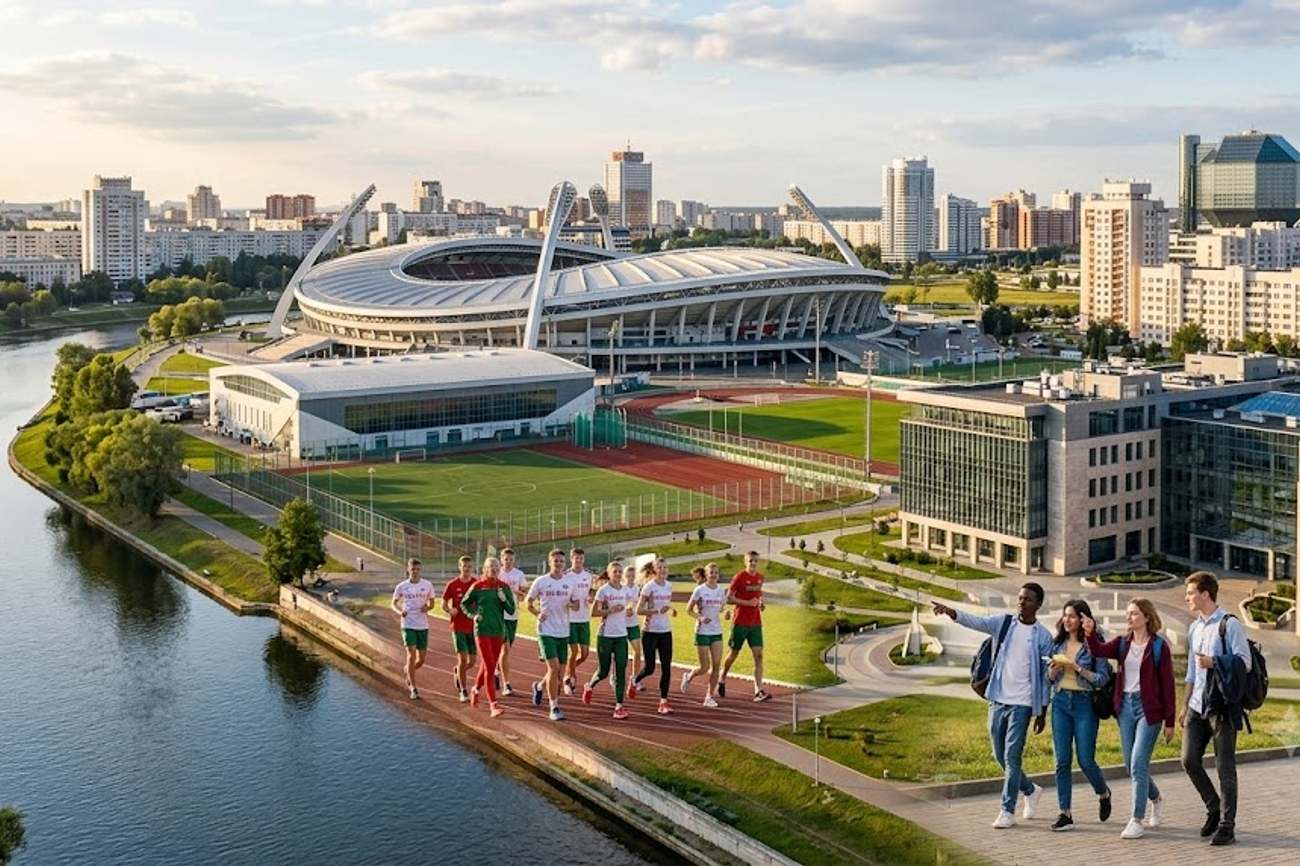
Image generated by AI
[Minsk, January 2026] — Belarus is launching a massive Br8.43 billion infrastructure overhaul to decentralize its tourism and athletic sectors, shifting the focus away from the Minsk-Brest corridor toward regional hubs and rural agro-towns. The initiative, codified in the "Tourism" and "Physical Culture and Sport" state programs for 2026-2030, represents a strategic pivot to transform the nation into a hub for educational, industrial, and eco-tourism.
The government is deploying this historic investment to break a long-standing pattern where Minsk and Brest absorbed nearly 90 percent of all international arrivals. By constructing 31 new multifunctional sports complexes and swimming pools, the state aims to stimulate rural economies and increase national physical activity rates to 35 percent by 2030. This expansion coincides with a surge in foreign arrivals, which jumped from 71.4 thousand in 2021 to over 366 thousand by 2024, fueled largely by visa-free access for citizens of 35 European nations.
The Br8.43 Billion Infrastructure Pivot
The financial backbone of this strategy is a Br8.43 billion budget (exceeding $2.5 billion USD) specifically allocated to the "Physical Culture and Sport" program. This funding is not earmarked for elite metropolitan stadiums but is instead divided into two distinct operational tracks: "Active Lifestyle" and "Training of Sports Reserves."
The state has mandated a strict utilization rate of 89.6 percent for all new facilities to ensure the investment generates a self-sustaining economic cycle. This budget forces a redistribution of wealth from the capital to the provinces, requiring the completion of 31 multifunctional fitness centers and aquatic facilities across regional centers. The goal is to link public health improvements directly to economic drivers, using state-of-the-art gear to attract both domestic families and international athletic delegations.
Regional Distribution and Impacted Hubs
The strategy targets specific geographic zones to ensure that the economic benefits of tourism are not concentrated in a single city. The following table outlines the distribution of infrastructure and focus areas:
| Region/City | Primary Infrastructure | Strategic Focus | 2026–2030 Objective |
|---|---|---|---|
| Minsk | Dinamo Stadium, Stayki National Olympic Center | Elite athletic education & international events | Modernization for BRICS and CIS Games |
| Brest | Regional sports palaces, ice arenas, rowing canals | Cross-border sports tourism | Upgrading services to maintain secondary hub status |
| Minsk Oblast | Raubichi Olympic Center, Ratomka Equestrian Center | Youth and junior sports training | Expansion of junior equestrian education (sole CIS center) |
| Regional Centers | Multifunctional fitness centers, swimming pools | Domestic sports tourism & active lifestyles | Construction of 31 new complexes in Grodno, Gomel, Vitebsk, Mogilev |
| Rural Hubs | Community centers, outdoor sports grounds | Grassroots recreation | Equipping 30% of all agro-towns with sports grounds |
The Ministry of Sports and Tourism of the Republic of Belarus is overseeing the implementation of these projects to ensure that regional cities like Grodno and Gomel can host international collegiate and junior events independently of the capital's infrastructure.
What This Means for Travelers
For the average traveler or business visitor, this shift fundamentally changes the geography of a trip to Belarus. The era of "Minsk-only" itineraries is being replaced by a model of specialized regional destinations.
1. New Niche Destinations: Travelers can now visit "tourist magnets" designed for specific interests. The BELAZ Technological Valley offers a blend of industrial tourism and heavy machinery education, while "Belarusian Karelia" provides an aquatic sports and eco-education experience. The Vialikaya Pushcha eco-center is now a primary target for adventure tourists.
2. Improved Regional Hospitality: The construction of 31 new complexes will naturally trigger a rise in local hotel and service capacity in cities like Vitebsk and Mogilev. Visitors will find higher-quality athletic and wellness facilities outside the capital.
3. Rural Accessibility: With 30 percent of agro-towns receiving sports infrastructure, the "rural experience" is shifting from passive sightseeing to active recreation. This makes the Belarusian countryside more viable for long-term stays and athletic retreats.
4. Streamlined Entry: The continued visa-free policy for 35 European states, combined with this infrastructure boom, means that the barrier to entry is low while the variety of available experiences is increasing. Travelers should check the latest entry requirements via the Ministry of Foreign Affairs of Belarus.
The "Tourist Magnet" Strategy and Future Outlook
The core of the 2026-2030 plan is the "Tourist Magnet" initiative. Rather than attempting to make every town a general destination, the government is creating highly specialized, iconic sites to capture niche markets.
In Gomel, the focus is on leveraging river networks to build advanced rowing and aquatic facilities. In Vitebsk, the expansion of indoor ice arenas is designed to position the city as a premier destination for winter sports education. By creating these centers of excellence, Belarus aims to attract international students and professional athletes who would previously have stayed in Minsk.
The long-term timeline suggests that by 2030, the "Minsk-Brest" bottleneck will be significantly eased. The government expects that the rise in youth tournaments and collegiate events in regional centers will create a permanent increase in domestic tourism, as families travel across the country to support junior athletes. This geographic diversification is intended to foster job growth in rural hospitality and specialized outdoor education, ensuring that the Br8.43 billion investment yields a permanent economic shift.
FAQ: Belarus Tourism & Sports 2026
Do I need a visa to visit these new regional hubs? Citizens of 35 European states currently enjoy visa-free travel to Belarus. Always verify current status with your local embassy or the official government portal before booking travel to regional areas.
What is the BELAZ Technological Valley? It is a specialized "tourist magnet" that combines industrial tourism with education. Visitors can explore heavy machinery production and learn about the engineering behind the world's largest dump trucks.
Are the new sports facilities open to the general public? Yes. A primary goal of the "Active Lifestyle" subprogram is to increase national physical activity to 35 percent, meaning the 31 new complexes are designed for community use, not just elite athletes.
Which cities are seeing the most growth outside of Minsk? Grodno, Gomel, Vitebsk, and Mogilev are the primary beneficiaries of the infrastructure windfall, receiving the bulk of the new multifunctional sports complexes and swimming pools.
Belarus is betting billions that the future of travel lies in the provinces.
#BelarusTourism2026 #MinskInfrastructure #BELAZValley #BelarusianKarelia #CISGames2030 #RegionalDevelopmentBelarus
Related Travel Guides
Disclaimer
This article is for informational and educational purposes only. It does not constitute legal, financial, or professional advice. While we strive to provide accurate and up-to-date information, travel policies, regulations, and conditions change rapidly. Always verify information with official sources before making travel decisions. Nomad Lawyer makes no representations about the accuracy, reliability, completeness, or suitability of the information provided. Readers should consult qualified professionals for advice specific to their circumstances. The views expressed in this article are those of the author and do not necessarily reflect the views of Nomad Lawyer.
Kunal K Choudhary
Co-Founder & Contributor
A passionate traveller and tech enthusiast. Kunal contributes to the vision and growth of Nomad Lawyer, bringing fresh perspectives and driving the community forward.
Learn more about our team →