US State Department Issues 2026 Worldwide Caution: Holiday Travel Security Alerts and Rights

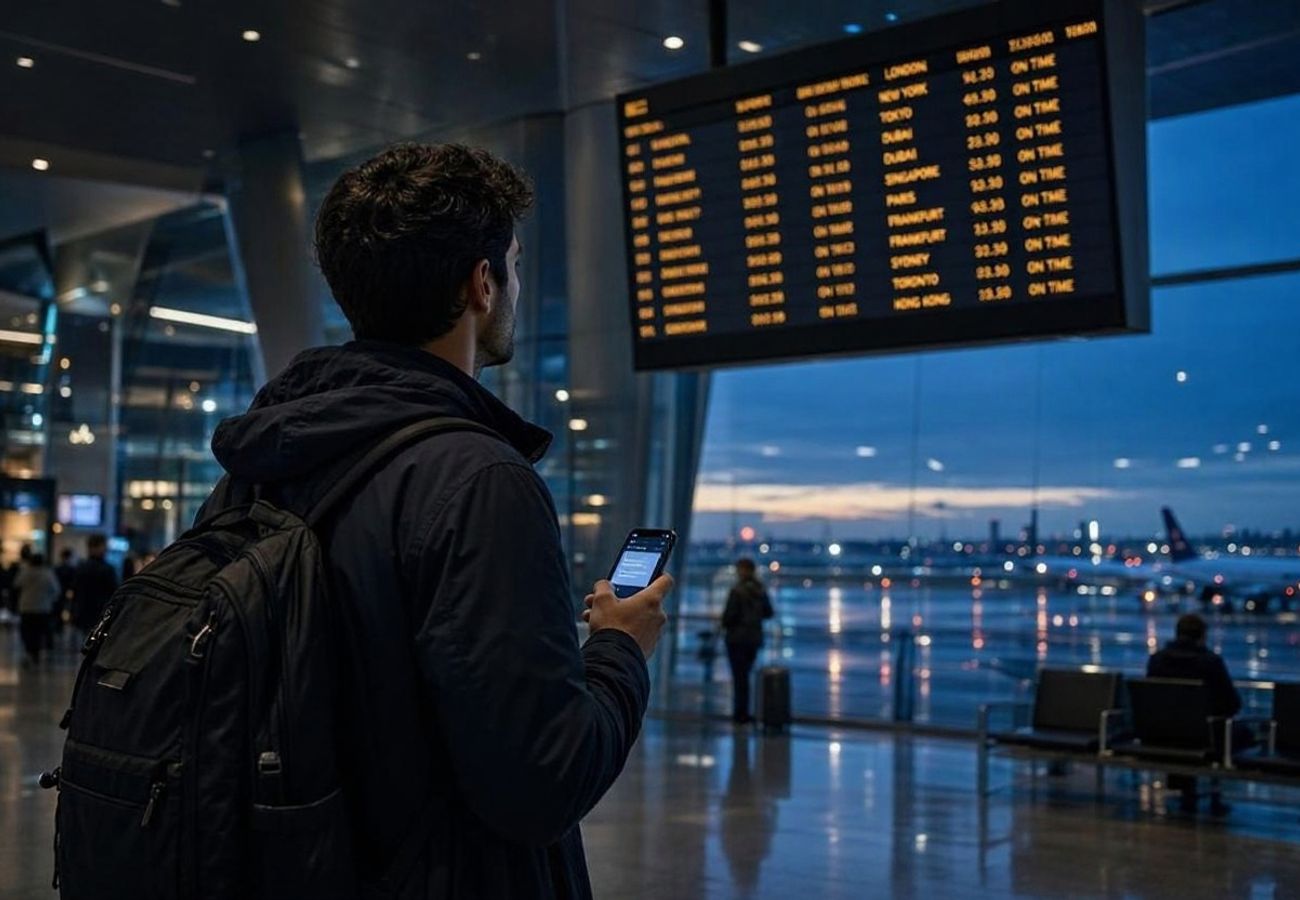
Image generated by AI
An American family preparing for a December getaway to Europe finds their travel insurance policy suddenly restricted, as the US State Department elevates security warnings for several major capitals. This scenario is becoming common as the US government sharpens its guidance for the 2026 holiday season, moving beyond routine warnings to a state of heightened global vigilance.
US State Department 2026 Worldwide Caution
The US Department of State has updated its Worldwide Caution notice, which serves as a blanket alert for all US citizens traveling internationally during the 2026 Thanksgiving, Christmas, and New Year periods. This is not a specific ban on travel, but a formal notification that US interests and locations frequented by Americans are currently targets for potential terrorist activity, civil unrest, and violent demonstrations.
This global alert operates alongside the standard four-level advisory system. Even in countries labeled as low-risk, the State Department is now inserting specific warnings regarding terrorism and sudden security shifts. The primary objective is to ensure travelers do not rely solely on a country's overall "Level" but instead read the granular regional notes that may indicate volatility in specific cities or provinces.
Security Risk Levels and Regional Flashpoints
The 2026 guidance identifies specific zones where the US government's ability to provide consular assistance is severely limited or non-existent. The following table breaks down the current risk landscape for the holiday season:
| Region/Country | Advisory Level | Primary Risk Factors | Consular Service Status |
|---|---|---|---|
| Gaza | Level 4: Do Not Travel | Conflict, Total Instability | No routine or emergency services |
| Israel / West Bank | Level 3/4 | Rocket fire, Terrorism, Civil Unrest | Limited; contingency plans required |
| Lebanon / Jordan | Elevated | Kidnapping, Terrorism, Instability | Variable; high risk of disruption |
| France / Italy | Level 1/2 | Large-scale protests, Terror threats | Fully operational; high security |
| East Africa | Elevated | Regional conflict, Terrorism | Variable by specific country |
For those visiting Europe, the guidance specifically highlights France and Italy. While these remain popular destinations, the State Department warns of intensified security screenings at transit hubs and the potential for volatile demonstrations in urban centers.
Your Rights as a Passenger and Traveler
When the State Department raises advisory levels, the impact extends beyond physical safety—it directly affects your legal and financial protections.
Travel Insurance and "Force Majeure"
Most comprehensive travel insurance policies contain clauses linked to government travel advisories. If a destination is moved to Level 4 ("Do Not Travel"), some insurers may refuse to provide coverage for new bookings or may void existing policies for that specific region. You must review your policy's "Excluded Destinations" list. If your trip is cancelled due to a government-mandated travel ban, you may be entitled to a refund, but a mere "caution" or "advisory" often does not trigger a mandatory refund from the airline or hotel.
Consular Rights and Limitations
Under international law, the US government strives to protect its citizens, but the 2026 advisories explicitly state that in Level 4 zones like Gaza, the government cannot provide routine emergency services. This means you are legally and logistically responsible for your own evacuation and medical transport.
Aviation Disruptions
Heightened security often leads to airspace closures or sudden diversions. If your flight is cancelled due to security risks, your rights depend on the jurisdiction:
- EU/UK Flights: Under EU261/2004 or UK CAA guidelines, "extraordinary circumstances" (such as a terrorist attack or sudden airspace closure) may exempt airlines from paying cash compensation, but they are still legally required to provide "duty of care" (meals and hotels) and re-routing.
- US Flights: The US Department of Transportation (DOT) requires airlines to provide a full refund if a flight is cancelled and the passenger chooses not to travel, regardless of the reason.
Rebooking Strategy and Risk Mitigation
If your destination has been upgraded to a higher risk level, follow this strategic framework to protect your itinerary:
- Enroll in STEP: Immediately register your trip via the Smart Traveler Enrollment Program (STEP). This is the only way to receive real-time security alerts and facilitate emergency contact with the nearest embassy.
- Diversify Transit Hubs: If you are transiting through high-tension regions in the Middle East or East Africa, consider re-routing through more stable hubs in Western Europe or Asia to avoid sudden airport lockdowns.
- Audit Booking Flexibility: Shift from non-refundable rates to "Flexible" or "Fully Refundable" options for hotels and flights. In a climate of Worldwide Caution, the cost of a flexible fare is effectively a hedge against government-mandated travel restrictions.
- Monitor Real-Time Traffic: Use FlightRadar24 to monitor for unusual patterns of diversions or airspace closures in your destination region 48 hours before departure.
FAQ: 2026 Holiday Travel Advisories
Does a "Worldwide Caution" mean I cannot travel? No. It is a warning to exercise increased vigilance. It does not prohibit travel but signals that you should be aware of your surroundings and monitor local media.
Will my travel insurance cover me in a Level 4 country? Likely not. Many standard policies exclude Level 4 destinations. Check your policy's "General Exclusions" section to see if government advisories void your coverage.
What should I do if my flight is diverted due to security alerts? Contact your airline immediately for re-routing. If you are in the EU or UK, request "duty of care" vouchers for food and lodging while you wait for a new flight.
How does the STEP program help in an emergency? STEP allows the US Embassy to know you are in the country, enabling them to send you urgent security updates and locate you during natural disasters or political unrest.
Stay vigilant, stay registered, and always prioritize your legal protections over your itinerary.
Related Travel Guides
This article is for informational purposes. Flight routes, passenger regulations, visa rules, and transit advisories are subject to change by airlines and aviation authorities. Readers are advised to verify schedules and travel documentation with relevant carriers and border agencies before departure.
Related Stories
US State Department Tightens Holiday Travel Advisories for Americans Abroad in 2026
US State Department Worldwide Caution Alert 2026: Impact on Middle East Aviation and Travel Insurance