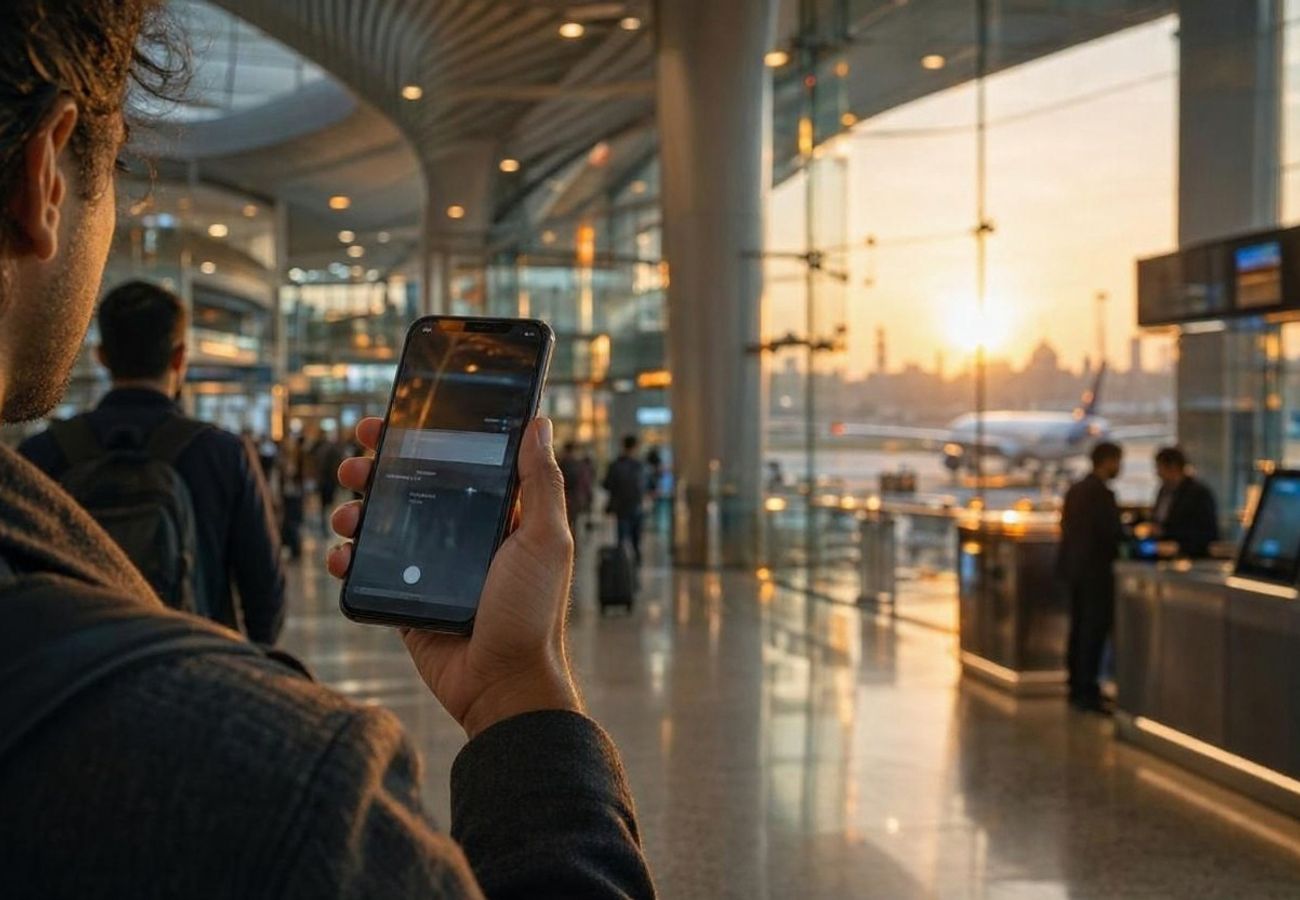
IndiGo Flight Cancellations at Ahmedabad Airport Spark Passenger Protests in November 2026

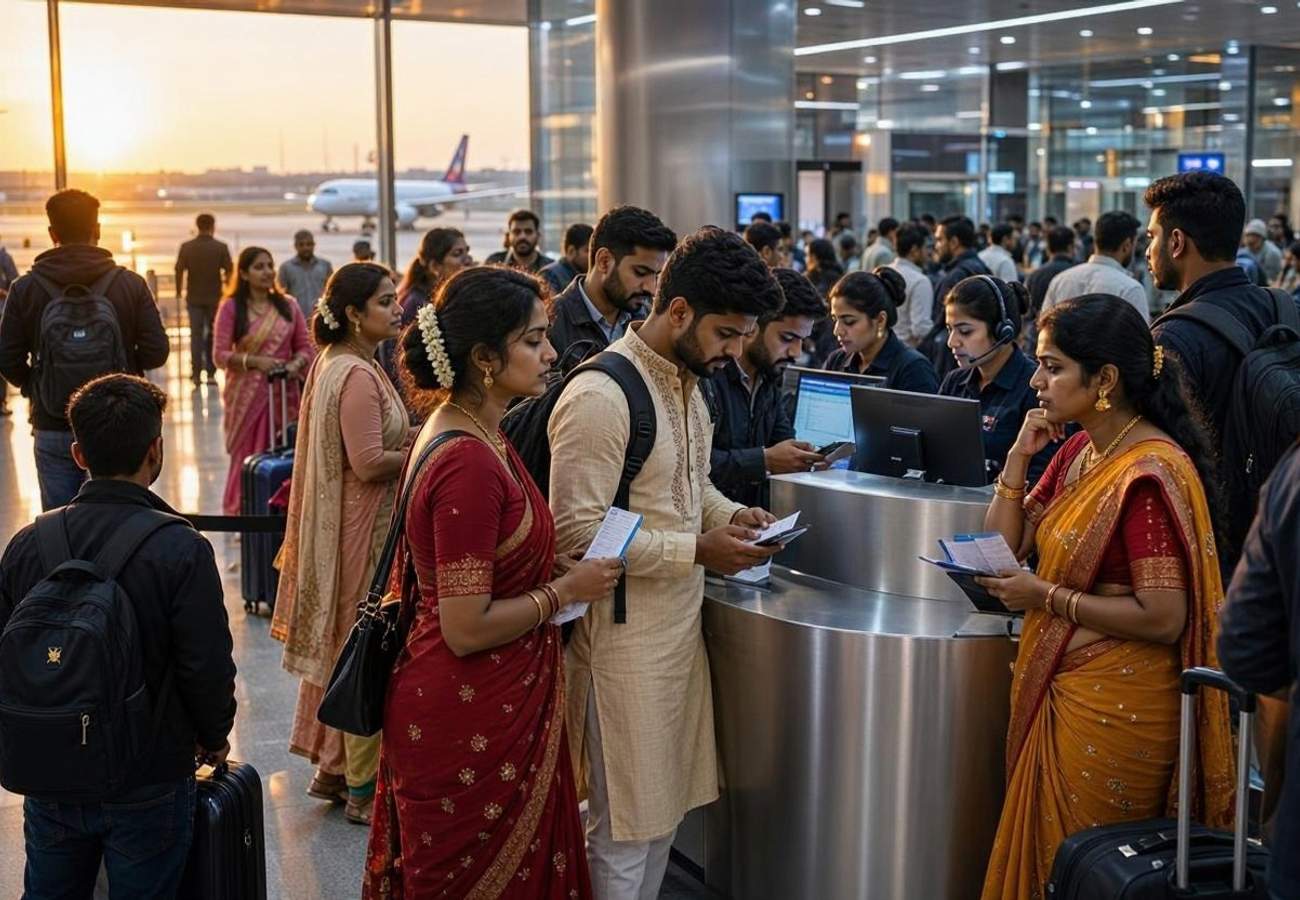
Image generated by AI
Two separate IndiGo flight cancellations on 12 November 2026 at Ahmedabad’s Sardar Vallabhbhai Patel International Airport triggered immediate passenger protests, exposing a volatile intersection of peak-season demand and operational instability. The unrest peaked when a service to Nashik was scrapped just 60 minutes before departure, leaving passengers who had already checked in and surrendered their luggage stranded in the terminal.
Operational Collapse at Sardar Vallabhbhai Patel International Airport
The friction at Ahmedabad airport was not an isolated incident but a result of cascading failures. On 12 November, the Ahmedabad–Nashik route was cancelled after the boarding process had effectively concluded. This left travellers in a precarious position: their bags were already in the aircraft's hold or the sorting system, yet their transport had vanished. Simultaneously, a second service on the Ahmedabad–Bhopal route was cancelled, compounding the chaos.
These disruptions occurred during the high-traffic window of Diwali and Bhai Dooj. For the affected passengers, the timing was catastrophic; available seats on alternative flights to western and central India were either non-existent or priced at extreme premiums due to festive demand. Footage from the terminal showed passengers surrounding IndiGo service desks, demanding immediate re-routing or transparent explanations—neither of which were provided in a manner that satisfied the crowds.
Breakdown of Disrupted Services (12 November 2026)
The following table outlines the specific disruptions that led to the protests at Sardar Vallabhbhai Patel International Airport.
| Route | Cancellation Timing | Passenger Status | Primary Grievance |
|---|---|---|---|
| Ahmedabad $\rightarrow$ Nashik | $\approx$ 60 mins before departure | Checked-in / Bags dropped | No direct same-day alternatives |
| Ahmedabad $\rightarrow$ Bhopal | Last-minute | At Terminal | Lack of communication/support |
Expert Analysis: The "Rotational Failure" Trap
For travelers booking domestic routes in India, the Ahmedabad incident reveals a dangerous pattern of "rotational delays." In a high-frequency network like IndiGo's, aircraft and crews operate on razor-thin margins. When a single flight is delayed due to crew rest requirements or maintenance, it creates a domino effect. If the aircraft assigned to the Ahmedabad–Nashik leg is stuck in another city, the airline is forced to cancel the flight—often waiting until the last possible second in hopes that the aircraft will arrive.
The direct consequence for the passenger is a total loss of agency. Because these cancellations happen "at the gate," the passenger has already invested the time and cost of transit to the airport. The pricing pressure created by the festive season means that when an airline cancels, the "market price" for a replacement ticket on a competitor can be 3x to 5x the original fare, effectively trapping the traveler.
Furthermore, this highlights a regulatory gap. While the Directorate General of Civil Aviation (DGCA) mandates refunds or re-routing, the execution is often automated. An automatic refund to a credit card does not solve the immediate logistical crisis of a passenger who needs to be in Nashik for a family event. The "refund-only" approach is a corporate risk-mitigation strategy that ignores the human cost of travel disruption.
Key Takeaways
- Last-Minute Risk: Cancellations can occur after check-in and baggage drop, making it difficult for passengers to pivot to alternative transport.
- Festive Pricing: During Diwali and Bhai Dooj, the lack of spare capacity makes same-day rebooking nearly impossible without exorbitant costs.
- Regulatory Rights: Under DGCA rules, passengers are entitled to a full refund or an alternative flight if a service is cancelled.
- Documentation is Vital: Passengers should retain boarding passes and receipts for all unplanned expenses to file formal grievances via government portals.
- Systemic Fragility: Crew duty-time regulations and tight scheduling mean that one delay in the network can cause cancellations hundreds of miles away.
FAQ: IndiGo Ahmedabad Disruptions 2026
What are my rights if an IndiGo flight is cancelled at the airport? Per DGCA guidelines, you are entitled to either a full refund of the ticket price or a seat on the next available alternative flight. If the cancellation is within the airline's control, you may be eligible for additional compensation depending on the notice period.
How do I file a complaint against an airline in India? Passengers can lodge formal grievances through the airline's internal portal or escalate the matter to the DGCA's AirSewa portal. Ensure you have your PNR number and documentation of the cancellation.
Why do flights get cancelled even after I have checked in? This usually happens due to "rotational delays," where the physical aircraft or the crew is delayed at a previous destination, or due to sudden technical faults discovered during the final pre-flight check.
Will the airline pay for my hotel if my flight is cancelled last-minute? While some carriers provide accommodation, it is not a universal mandate for all domestic disruptions. You should request "overnight support" at the airport counter and document the refusal if it is denied.
When the boarding gate becomes a protest line, the failure is not just operational—it is a collapse of communication.
Related Travel Guides
This article is for informational purposes. Flight routes, passenger regulations, visa rules, and transit advisories are subject to change by airlines and aviation authorities. Readers are advised to verify schedules and travel documentation with relevant carriers and border agencies before departure.
Related Stories
US State Department Tightens Holiday Travel Advisories for Americans Abroad in 2026
US State Department Issues 2026 Worldwide Caution: Holiday Travel Security Alerts and Rights