
Munich Pairs Up With Valencia and Others as Race-cation Travel Surges With Marathon City Break Demand
Munich Pairs Up With Valencia and Others as Race-cation Travel Surges With Marathon City Break Demand

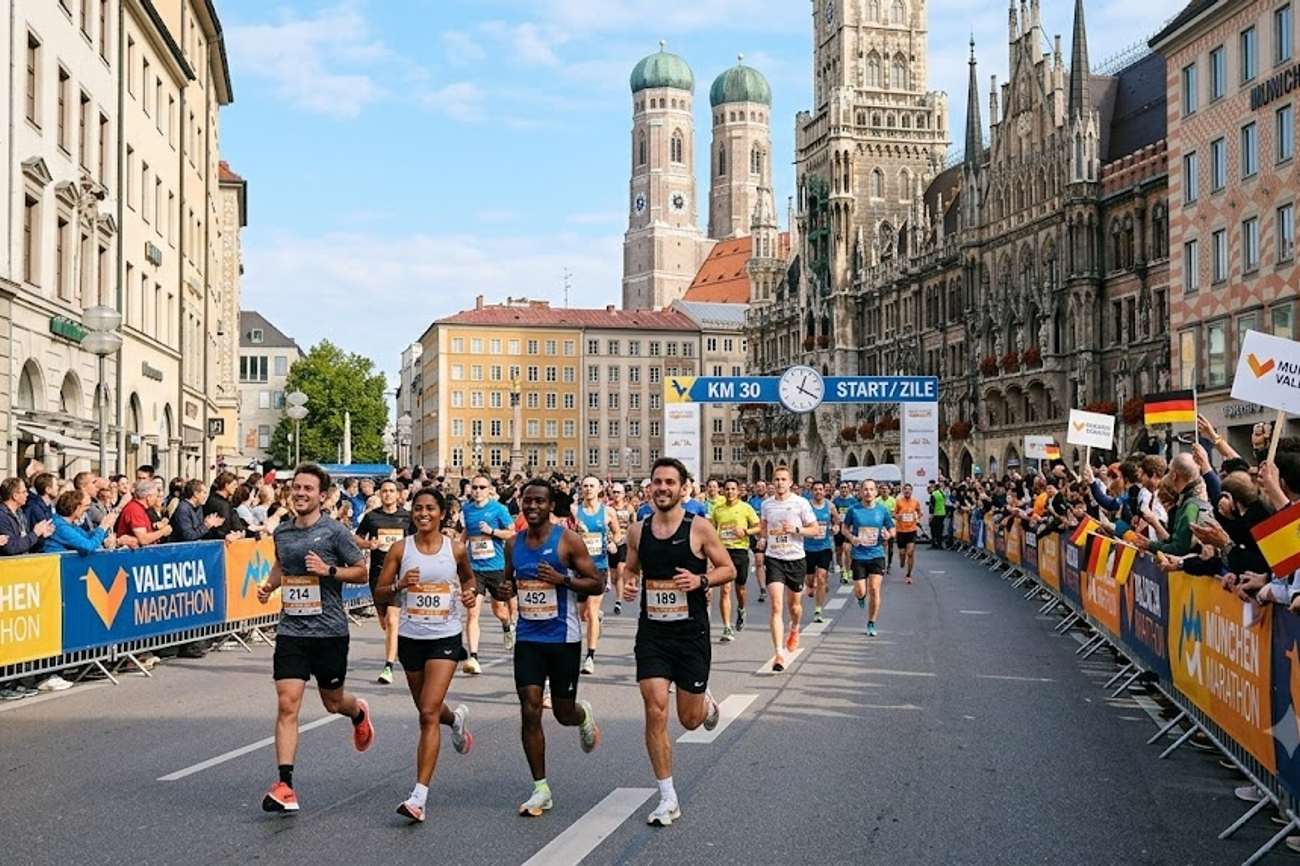
Image generated by AI
The shift toward "race-cations" is evidenced by a surge in overseas marathon searches reaching record levels, transforming the traditional sporting trip into a multi-layered urban holiday. While sports tourism was previously characterized by the "fly-in, compete, fly-out" model, current data indicates a pivot toward experience-based travel where athletic events serve as the anchor for broader cultural and culinary exploration. This evolution is particularly visible in European hubs like Munich, Valencia, and Berlin, where the integration of marathon participation with short-stay city itineraries is driving a new wave of high-spending, active visitors.
The Race-Cation Metric: Quantifying the Shift
The emergence of the race-cation represents a convergence of three distinct travel segments: sports tourism, cultural tourism, and leisure travel. This is not merely a change in traveler preference but a structural shift in how urban destinations are being marketed and consumed. According to data from the World Tourism Organization (UNWTO), experience-based travel is becoming a primary driver for international arrivals, and the "marathon city break" is a prime example of this trend.
In cities like Hamburg, the impact is measurable through search behavior. Ahead of the HYROX Hamburg event, scheduled for October 28 to November 1, there has been a significant increase in search demand for local attractions and dining, indicating that participants are no longer treating the event as a standalone activity. Similarly, in Lisbon, the rise in searches for short itineraries suggests that runners are actively planning "micro-adventures" that blend physical exertion with heritage and food tourism.
The economic footprint of these travelers is often higher than that of the average short-break tourist. Because race-cationers are motivated by a specific goal (the race) but are open to luxury and leisure (the vacation), they tend to engage more deeply with local infrastructure, from high-end hotels to specialized culinary experiences.
Comparative Context: European Hubs and Market Positioning
When analyzing the European landscape, we see a clear regional divergence in how cities leverage sports tourism. Berlin remains the gold standard for marathon-led tourism due to its global recognition and infrastructure, but newer contenders like Valencia are utilizing a "lifestyle" approach, blending fitness with Mediterranean leisure to extend the average length of stay.
The following table compares the strategic positioning of key race-cation destinations:
| Destination | Primary Event Driver | Secondary Value Proposition | Tourism Segment Focus | Regional Market Strategy |
|---|---|---|---|---|
| Berlin | Berlin Marathon | History & Creative Districts | Global Elite Athletics | High-volume infrastructure |
| Munich | Munich Marathon | Bavarian Heritage & Museums | Cultural Sport-Breaks | Autumn peak optimization |
| Valencia | HYROX / Marathons | Mediterranean Coast & Cuisine | Active Lifestyle | Leisure-sport hybrid |
| Lisbon | City Marathons | Gastronomy & Viewpoints | Micro-adventure | Heritage-led fitness |
| Hamburg | HYROX Hamburg | Urban Exploration | Fitness-centric Short-stays | Event-driven demand spikes |
Historically, sports tourism was seasonal and narrow. However, the current trajectory shows a broadening of the "event window." While autumn has traditionally been the peak for marathons, the introduction of events like HYROX is diversifying the calendar, allowing cities like Hamburg to capture international arrivals outside of the traditional marathon window. This shift is echoed in broader industry data from IATA, which tracks the movement of passengers based on event-driven demand.
What This Means for Travelers
For the individual traveler, the rise of the race-cation necessitates a change in booking strategy. Because these trips center around fixed-date events, the demand for hotel rooms and transport spikes aggressively in a very narrow window.
1. The "Event Window" Booking Strategy: If you are planning a race-cation in Munich or Berlin during the autumn marathon season, booking 4-6 months in advance is no longer optional—it is essential. Hotel occupancy in these cities typically reaches capacity weeks before the race, leading to significant price inflation for last-minute bookings.
2. Itinerary Layering: Travelers should move away from the "race-only" mindset. Data suggests that the most satisfying race-cations involve "itinerary layering"—scheduling high-energy activities (the race) alongside low-energy cultural experiences (museums in Munich or beaches in Valencia). This prevents athletic burnout and maximizes the value of the trip.
3. Leveraging Micro-Cations: With the increase in short-stay demand in Lisbon and Hamburg, travelers can now find more "compact" tour packages specifically designed for athletes, focusing on healthy dining and accessible city tours that do not interfere with race-day preparation.
Forward Projection: The Future of Active Urbanism
The trajectory of race-cation travel suggests a move toward "Active Urbanism," where cities will begin designing their tourism infrastructure specifically for the athletic traveler. We can expect to see a rise in hotel partnerships that offer "athlete packages," including specialized nutrition, recovery zones, and proximity to race start lines.
Furthermore, the success of HYROX in Hamburg and Valencia indicates that "fitness gaming" and hybrid competitions will likely overtake traditional marathons in growth rate. This will shift the demographic from the traditional long-distance runner to a younger, gym-centric audience that prioritizes high-intensity experiences and social-media-friendly urban exploration.
As destinations continue to compete for these high-value visitors, we will likely see a regional shift where cities outside the major capitals begin hosting "boutique races" to capture the overflow from Berlin and Munich. This will decentralize sports tourism, spreading the economic benefits to smaller urban centers across Europe. For a deeper dive into how these movements affect global travel patterns, Statista provides comprehensive data on the growth of the global wellness and sports tourism markets.
FAQ: Race-cation Travel 2024-2025
Will hotel prices increase during marathon weekends? Yes. Demand for short-stay accommodation in cities like Munich and Berlin spikes during autumn races. Expect premium pricing and limited availability; booking several months in advance is the only way to avoid extreme cost increases.
Which cities are currently the best for combining fitness and culture? Valencia and Lisbon are currently leading the trend. Valencia offers a blend of Mediterranean leisure and athletics, while Lisbon integrates marathon travel with a strong focus on gastronomy and heritage.
Is the race-cation trend limited to marathons? No. The growth of HYROX in Hamburg and Valencia shows that hybrid fitness events are becoming major drivers of urban tourism, attracting a broader demographic than traditional long-distance running.
When is the best time to visit Europe for a race-cation? Autumn remains the primary season for major marathons, particularly in Germany. However, the diversification of events means that sports-led city breaks are now viable throughout the year.
The finish line is no longer the end of the trip; it is the starting point for the vacation.
#RaceCationEurope #SportsTourismGrowth2024 #MunichMarathonData #ValenciaActiveTourism #UrbanFitnessTrends #EuropeanMicroCations
Related Travel Guides
- Philippines’ Nueva Vizcaya Unlocks Ecotourism Opportunities as Birdwatching Emerges as a Major Wildlife Attraction
- Dhidhoo Island Triggers A Massive Luxury Travel Boom Through Revolutionary Sustainable Infrastructure Developments
- New Orleans Joins Miami and More to Transform U.S. Luxury Travel With Rare Culinary Adventures, Private Access and Unforgettable Experiences
Disclaimer
This article is for informational and educational purposes only. It does not constitute legal, financial, or professional advice. While we strive to provide accurate and up-to-date information, travel policies, regulations, and conditions change rapidly. Always verify information with official sources before making travel decisions. Nomad Lawyer makes no representations about the accuracy, reliability, completeness, or suitability of the information provided. Readers should consult qualified professionals for advice specific to their circumstances. The views expressed in this article are those of the author and do not necessarily reflect the views of Nomad Lawyer.
Naina Thakur
Contributor & Travel Specialist
Travel enthusiast and legal writer covering visa regulations, responsible tourism, and cultural journeys across global destinations.
Learn more about our team →