
New Orleans Joins Miami and More to Transform U.S. Luxury Travel With Rare Culinary Adventures, Private Access and Unforgettable Experiences
From intimate omakase in New Orleans and beachfront open-fire dining in Miami to vintage private railcars, US luxury travel pivots toward hyper-exclusive access.

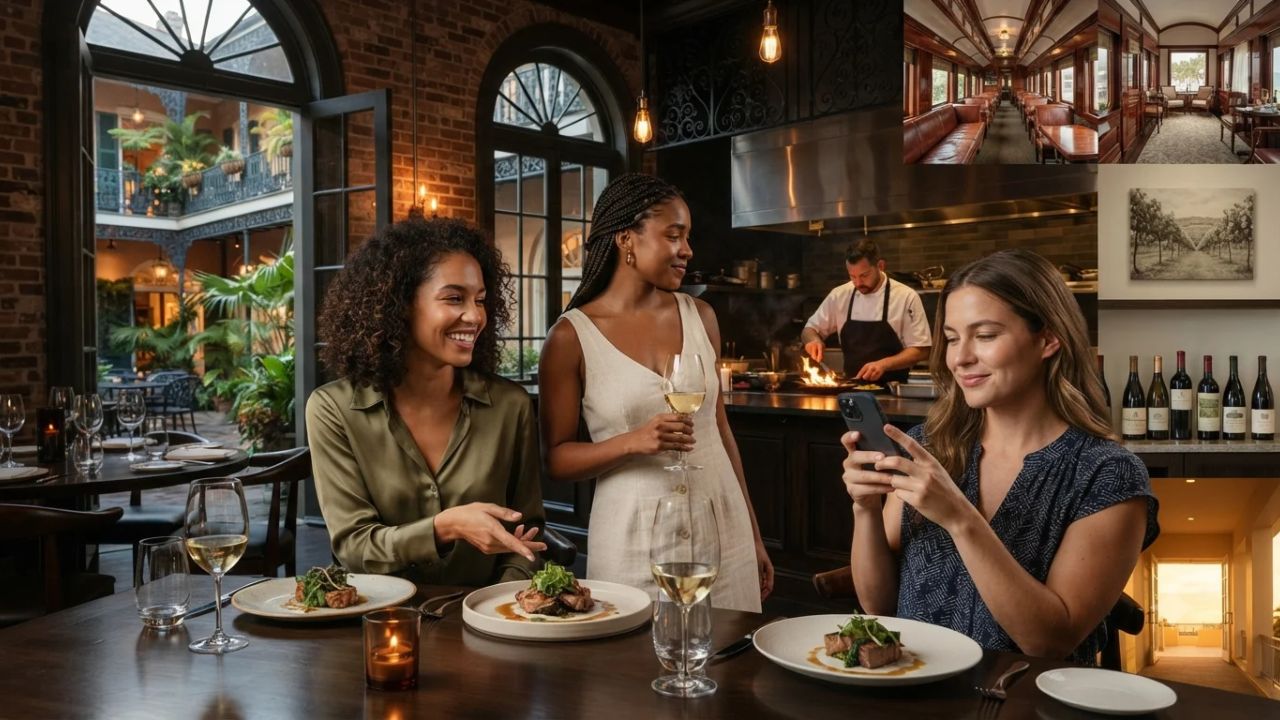
Image generated by AI
A decisive structural migration away from standardized five-star resort amenities toward ultra-limited eight-seat culinary seatings and privately hitched vintage passenger railcars is rewriting the economic rules of American luxury travel in 2026. High-net-worth travelers are bypassing conventional luxury hospitality chains in favor of hyper-curated, unreplicable experiences where scarcity, complete seclusion, and personal storytelling replace commodified opulence. From private multi-course omakase dining in New Orleans and beachfront theatrical live-fire gastronomy in Miami Beach to private estate cellar allocations in California's Napa Valley and glass-domed rail journeys through the American West and Alaska, high-end tourism operators are transforming the traveler journey. As affluent consumers place an unprecedented premium on privacy and bespoke access, the domestic hospitality sector is pivoting from selling square footage and thread counts to orchestrating closed-door access that cannot be booked through ordinary consumer platforms.
The Redefinition of Exclusivity: Micro-Seat Gastronomy and Open-Fire Theatrics
The evolution of domestic luxury hospitality centers heavily on experiential dining, where culinary artistry serves as the primary anchor for travel itineraries rather than an incidental evening itinerary choice. In New Orleans, a city historically celebrated for its Creole traditions and vibrant dining rooms, tourism officials at New Orleans & Company are highlighting a subtle shift toward micro-capacity gastronomy. Discerning travelers are seeking out intimate Japanese-inspired tasting rooms where master chefs prepare multi-course menus for a handful of seated guests. By merging ancient knife skills and ancestral Japanese techniques with locally sourced Gulf Coast seafood and Louisiana produce, these micro-venues deliver the exclusivity of a private residence, allowing guests to converse directly with chefs over culinary philosophy.
Simultaneously, South Florida is capturing the international luxury market through high-theater outdoor gastronomy. Promoted by the Greater Miami Convention & Visitors Bureau, beachfront culinary establishments in Miami Beach have elevated South American open-fire cooking into high-concept luxury theater. Live wood-fired roasting pits set against coastal backdrops transform seasonal ingredients into sensory spectacles, combining sophisticated wine pairings with the raw energy of live-flame preparation.
In Northern California, wine country hospitality has executed a parallel pivot toward private estate access. According to trade representatives at Napa Valley Vintners, the premier tier of wine tourism no longer involves public tasting room bars. Affluent visitors now secure private library tastings, estate vineyard walks with principal winemakers, and access to private cellar reserves barred to general tour groups. Similar access models now govern marquee culinary gatherings on the Monterey Peninsula and in Aspen, where top-tier patrons purchase invitation-only passes granting entry to private chef dinners, rare vintage uncorkings, and secluded masterclasses. In New York City, historic dining institutions and private architectural clubs are staging limited-run dinners hosted by celebrated culinary masters, weaving centuries-old heritage into contemporary gastronomic events.
Heritage Rail Revival: Private Carriages Across the American West and Alaska
Beyond stationary resort sanctuaries, American slow travel is undergoing an extraordinary renaissance powered by private luxury rail travel. As rail travel approaches historic milestones across the continent, high-net-worth voyagers are rediscovering the romance of crossing mountain passes and desert expanses from the comfort of fully staffed private railcars. These restored vintage carriages—often dating back to the mid-twentieth century's golden age of Streamliner trains—are mechanically overhauled with modern climate control, ensuite staterooms, and satellite communications, then coupled to scheduled passenger trains traversing the American West.
Private railcar charters provide complete personal autonomy: dedicated onboard chefs prepare custom meals, private stewards manage beverage services, and observation lounges offer uninterrupted panoramas of remote river canyons and alpine summits inaccessible by motor highways. In the American Southwest, specialized luxury trains connecting Colorado and Utah are redefining multi-day leisure travel. Winding through deep sandstone canyons, red-rock monoliths, and the Colorado River corridor, these services combine daytime observation in bi-level glass-domed coaches with curated boutique hotel stays along the route.
In Alaska, luxury rail journeys operate as the definitive wilderness access corridor. Glass-domed passenger coaches and open-air vestibules allow travelers to take in views of Denali, coastal fjords, and northern spruce forests. Guided commentary from resident naturalists and locally sourced menus featuring wild salmon and regional specialties anchor an experience where the transit itself represents the primary luxury asset.
| Destination / Experience | Experiential Format | Target Exclusivity Vector | Core Differentiator |
|---|---|---|---|
| New Orleans, Louisiana | Intimate Japanese-Inspired Omakase | Limited single-digit seat capacity | Confluence of Japanese technique and Gulf Coast sourcing |
| Miami Beach, Florida | Beachfront Theatrical Open-Fire Venues | Curated live-fire South American culinary sessions | High-energy open-air dining with coastal ocean views |
| Napa Valley, California | Private Cellar & Library Wine Tastings | Invitation-only access to historic estate caves | Direct winemaker engagement and unreleased vintages |
| Aspen & Monterey Festivals | High-Tier VIP Culinary Summits | Exclusive passholder dining and tasting salons | Intimate interaction with celebrated chefs and master sommeliers |
| Western US Transcontinental | Restored Vintage Private Railcars | Custom carriages coupled to scheduled trains | Fully staffed slow travel with private chef and onboard stewards |
| Colorado & Utah Rail Corridor | Bi-Level Glass-Dome Canyon Expeditions | Multi-day scenic rail pairing with boutique lodges | Red-rock canyon views paired with off-train hotel luxury |
| Alaska Rail Expeditions | Panoramic Dome Cars & Outdoor Platforms | High-elevation wilderness rail routes | Wildlife viewing with naturalist narration and regional cuisine |
| Luxury Travel Dimension | Traditional 5-Star Hotel Paradigm | New Experiential Luxury Paradigm | Traveler Impact |
|---|---|---|---|
| Accommodation Scope | Standardized penthouse and presidential suites | Private rail carriages and secluded wilderness retreats | Eliminates proximity to fellow tourists; ensures absolute privacy |
| Culinary Focus | Hotel fine-dining rooms with standard reservations | Micro-counter omakase and private vineyard cellars | Prioritizes intimacy, limited covers, and chef interaction |
| Transit Component | Commercial airline first class or private jet charter | Scenic slow rail with glass-domed observation cars | Transforms transit into the core experiential destination |
| Access Mechanism | Concierge bookings through public reservation books | Unlisted allocations, invitation-only lists, and private buyouts | Guarantees exclusivity through scarcity rather than simple rate hikes |
Expert Analysis: The Scarcity Premium and Discretionary Yield Arbitrage
For travelers booking these routes, the direct consequence is that financial capital alone no longer guarantees access to top-tier experiences. When five-star hotel suites and premium commercial airline seats can be booked instantly through mobile devices, traditional signifiers of luxury suffer from democratized accessibility. In response, high-net-worth travelers are willing to pay an extraordinary premium for genuine scarcity: a ten-seat dining counter where the chef prepares fish landed that morning, an underground barrel cellar inaccessible to the public, or a private 1950s Pullman carriage gliding through remote canyons.
The pricing pressure this creates means destination operators are pivoting from high-volume foot traffic to high-margin, low-density customer interactions. Rather than turning forty tables twice an evening, luxury culinary proprietors in New Orleans and Miami Beach maximize yield by charging premium rates for single-seating, highly curated encounters. This strategy limits operational wear, controls food waste through precise provisioning, and creates an aura of unattainable exclusivity that drives secondary brand prestige.
In the luxury rail sector, the economic dynamic reflects asset scarcity. The inventory of restored vintage railcars certified for mainline passenger operations is strictly finite. Chartering a private car coupled to a scheduled cross-country service commands tens of thousands of dollars per journey, covering specialized rail traction fees, private chef provisioning, and bespoke route coordination. As commercial airports experience chronic congestion and flight delays, slow travel along historic rail lines offers an insulated environment where time, tranquility, and seclusion represent the ultimate luxury commodities.
Key Takeaways
- Shift Away from Mass Luxury: Affluent American travelers are moving away from standardized five-star resorts in favor of hyper-personalized culinary encounters, private estate access, and vintage rail expeditions.
- Micro-Capacity Gastronomy: New Orleans is pioneering ultra-exclusive Japanese-inspired dining formats featuring Gulf ingredients, while Miami Beach captures luxury travelers through theatrical beachfront live-fire cooking.
- Napa Cellar and Festival Exclusivity: Wine country travel is dominated by private library allocations and winemaker-led cellar tours, complemented by VIP-only culinary gatherings in Aspen and Monterey.
- Renaissance of American Rail: Private vintage railcars attached to scheduled transcontinental trains and glass-domed canyon routes across Colorado, Utah, and Alaska are establishing slow travel as a premier luxury asset class.
- Priority on Scarcity and Privacy: High-net-worth consumers increasingly value unlisted access, limited seatings, and complete physical seclusion over traditional material hospitality markers.
FAQ: US Luxury Experiential Travel 2026
What distinguishes modern luxury culinary travel in New Orleans and Miami?
Luxury dining in these cities focuses on exclusivity and theater, ranging from limited-seat Japanese omakase using local Gulf ingredients in New Orleans to open-fire South American live cooking on Miami Beach.
How do private luxury railcars operate across the United States?
Restored vintage railcars featuring private staterooms, onboard chefs, and lounges are mechanically certified and coupled to scheduled passenger trains, offering bespoke itineraries across the American West.
What private experiences are available in Napa Valley for luxury travelers?
High-end visitors access unlisted library tastings, private cave cellar tours, and direct vineyard walks with principal winemakers, bypassing commercial public tasting rooms.
Why are wealthy travelers choosing slow rail over private aviation?
Luxury rail journeys through Colorado, Utah, and Alaska transform travel time into an immersive sightseeing experience, offering panoramic glass-dome views, privacy, and curated dining without airport congestion.
[In an era when anyone can purchase a luxury hotel room with a single tap, the true measure of wealth has become access to the unlisted door.]
Related Travel Guides
The 10 Best Hotels in Las Vegas, According to Reddit (2026 Guide)
The 11 Best Las Vegas Pools for Beating the Summer Heat, According to Reddit
The 10 Best Luxury Rail Journeys in North America, According to Reddit
Disclaimer
This article is for informational and educational purposes only. It does not constitute legal, financial, or professional advice. While we strive to provide accurate and up-to-date information, travel policies, regulations, and conditions change rapidly. Always verify information with official sources before making travel decisions. Nomad Lawyer makes no representations about the accuracy, reliability, completeness, or suitability of the information provided. Readers should consult qualified professionals for advice specific to their circumstances. The views expressed in this article are those of the author and do not necessarily reflect the views of Nomad Lawyer.
Raushan Kumar
Founder & Lead Developer
Full-stack developer with 11+ years of experience and a passionate traveller. Raushan built Nomad Lawyer from the ground up with a vision to create the best travel and law experience on the web.
Learn more about our team →