
Philippines’ Nueva Vizcaya Unlocks Ecotourism Opportunities as Birdwatching Emerges as a Major Wildlife Attraction
Philippines’ Nueva Vizcaya Unlocks Ecotourism Opportunities as Birdwatching Emerges as a Major Wildlife Attraction

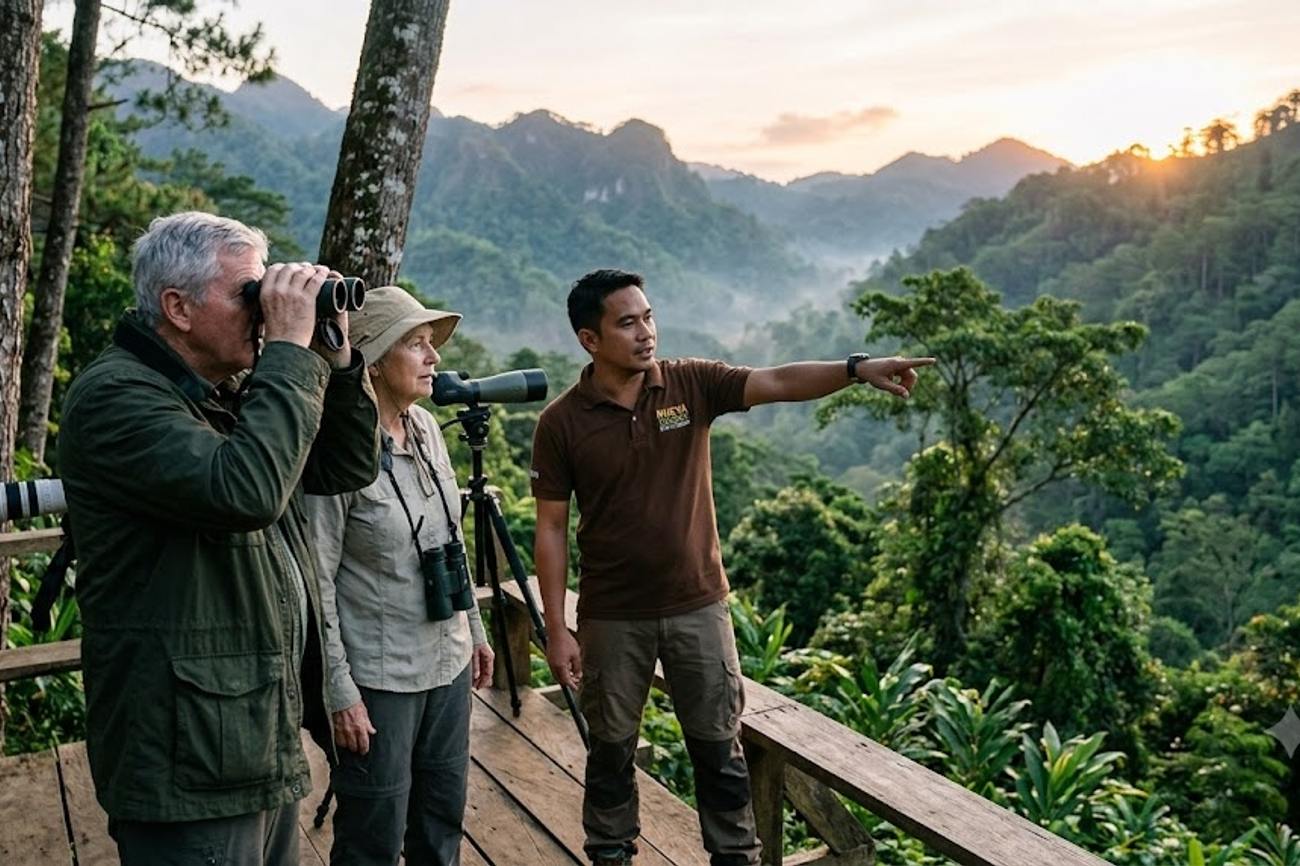
Image generated by AI
Six priority ecological sites served as the foundation for a comprehensive biodiversity survey conducted between September 15 and 17, marking a strategic pivot in how the Philippine province of Nueva Vizcaya monetizes its natural capital. By executing a three-day scientific inventory of avian populations, the province is transitioning from generic sightseeing toward a high-value, specialized ecotourism model. This move is not merely an environmental gesture but a calculated economic strategy to integrate biodiversity protection with local revenue streams, utilizing the framework of Sangguniang Panlalawigan Ordinance 2015-115 to codify the intersection of conservation and commerce.
The Regulatory Framework of Avian Tourism
The shift toward birdwatching as a primary tourism driver in Nueva Vizcaya is anchored in a long-term tourism roadmap that treats wildlife as a strategic asset. Unlike traditional mass tourism, which often degrades the environments it promotes, the provincial government is employing a "science-first" approach. By conducting a formal inventory of endemic, migratory, threatened, and uncommon species, the Provincial Tourism and Culture Office is creating a data-backed baseline to prevent over-tourism and habitat encroachment.
This methodology aligns with global shifts in the travel industry where "niche" nature experiences command higher price points and attract a more conscientious demographic of travelers. By leveraging Sangguniang Panlalawigan Ordinance 2015-115, the province has moved the conversation from anecdotal nature appreciation to a documented scientific record. This legal and scientific scaffolding ensures that any subsequent infrastructure development—such as viewing blinds, eco-trails, or specialized lodging—is placed in areas that maximize visitor satisfaction without compromising the nesting or feeding grounds of the bird populations.
Spatial Analysis of Biodiversity Hubs
The survey focused on six distinct geographical zones, each offering a different ecological profile. This diversity is critical for attracting "lifer" birders—enthusiasts who travel globally to check specific species off their lists. The selection of these sites indicates a desire to capture a wide spectrum of avian habitats, from lowland wetlands to highland forests.
| Survey Location | Ecological Profile | Tourism Potential |
|---|---|---|
| Lower Mag at Eco-Tourism Park | Lowland/Wildlife Hub | General nature observation & entry-level birding |
| Balete Pass | Mountainous/High Elevation | Specialized highland species monitoring |
| Imugan Falls | Forest/Riparian | Integrated waterfall and canopy birding |
| Capisaan Eco-Trail | Forest Ecosystem | Trekking-based avian exploration |
| Dupax Watershed Forest Reserve | Protected Watershed | High-conservation research and elite birding |
| Bang-an Hill | Protected Landscape | Biodiversity research and panoramic observation |
The strategic distribution of these sites allows the province to create "birding circuits." For the traveler, this means a diversified itinerary where a single trip can cover multiple biomes. For the province, it distributes the economic impact across several municipalities, preventing the "bottleneck" effect where one site becomes overcrowded while others remain underutilized.
Expert Analysis: The Economics of Avian Asset Management
For travelers and investors looking at the Philippine ecotourism market, the Nueva Vizcaya initiative signals a move toward "low-impact, high-yield" tourism. The direct consequence of this biodiversity inventory is the creation of a specialized labor market. Birdwatching requires expert guiding; a general tour guide cannot provide the value that a certified ornithological guide can. This creates a professionalization path for local residents, shifting them from unskilled service roles to specialized nature guides.
The pricing pressure created by this model is positive. Specialized tourism typically attracts visitors with higher disposable incomes who are willing to pay premiums for exclusivity and expertise. By positioning itself as a destination for "authentic nature experiences," Nueva Vizcaya is insulating itself from the volatility of mass tourism.
Furthermore, the mention of the Grey-faced Buzzard Summit in 2027 is a critical geopolitical and marketing marker. By aligning local efforts with a specific international event, the province is creating a "deadline" for infrastructure readiness. This ensures that the development of eco-trails and visitor facilities is not an open-ended project but a targeted build-up toward a global spotlight. The integration of International Air Transport Association (IATA) standards for sustainable travel will likely become the benchmark as the province seeks to attract international birding enthusiasts who prioritize carbon-neutral journeys.
Key Takeaways
- Data-Driven Development: The province used a three-day survey (September 15-17) across six priority sites to establish a scientific baseline for tourism planning.
- Diversified Habitats: By targeting sites ranging from the Dupax Watershed Forest Reserve to Balete Pass, the region is catering to a wide array of avian species, increasing its appeal to international birders.
- Economic Professionalization: The shift toward specialized ecotourism is designed to create high-value jobs in nature guiding and sustainable hospitality for local communities.
- Strategic Milestone: All current conservation and infrastructure efforts are being calibrated toward the Grey-faced Buzzard Summit scheduled for 2027.
- Legal Integration: Tourism growth is being managed under the specific authority of Sangguniang Panlalawigan Ordinance 2015-115 to ensure conservation remains a priority.
FAQ: Nueva Vizcaya Birdwatching 2024-2027
When is the best time to visit Nueva Vizcaya for birdwatching? While the province is developing year-round circuits, the focus on migratory species and the lead-up to the 2027 Grey-faced Buzzard Summit suggests that seasonal peaks will align with avian migration patterns. Check local tourism calendars for specific migratory windows.
What makes Nueva Vizcaya different from other Philippine eco-destinations? Unlike destinations focused on beaches or volcanoes, Nueva Vizcaya is positioning itself as a biodiversity sanctuary. Its focus is on scientific inventory and specialized ornithology rather than general sightseeing.
Are there guided tours available for the six surveyed sites? The province is currently using the inventory data to train local guides and develop official routes. Visitors should coordinate with the Provincial Tourism and Culture Office for certified guides at sites like Capisaan Eco-Trail and Bang-an Hill.
How does this project help the local environment? By turning birds into economic assets, the local community has a financial incentive to protect forests and watersheds. The inventory identifies "threatened" species, allowing the government to implement stricter protection zones.
The transition from a hidden province to a scientific sanctuary suggests that the future of Philippine travel lies in the precision of the niche.
Related Travel Guides
- Dhidhoo Island Triggers A Massive Luxury Travel Boom Through Revolutionary Sustainable Infrastructure Developments
- New Orleans Joins Miami and More to Transform U.S. Luxury Travel With Rare Culinary Adventures, Private Access and Unforgettable Experiences
- California and New York See Americans Rethink Vacations as High Costs Reshape US Travel in 2026
Disclaimer
This article is for informational and educational purposes only. It does not constitute legal, financial, or professional advice. While we strive to provide accurate and up-to-date information, travel policies, regulations, and conditions change rapidly. Always verify information with official sources before making travel decisions. Nomad Lawyer makes no representations about the accuracy, reliability, completeness, or suitability of the information provided. Readers should consult qualified professionals for advice specific to their circumstances. The views expressed in this article are those of the author and do not necessarily reflect the views of Nomad Lawyer.
Naina Thakur
Contributor & Travel Specialist
Travel enthusiast and legal writer covering visa regulations, responsible tourism, and cultural journeys across global destinations.
Learn more about our team →