
Dhidhoo Island Triggers A Massive Luxury Travel Boom Through Revolutionary Sustainable Infrastructure Developments
Dhidhoo Island Triggers A Massive Luxury Travel Boom Through Revolutionary Sustainable Infrastructure Developments

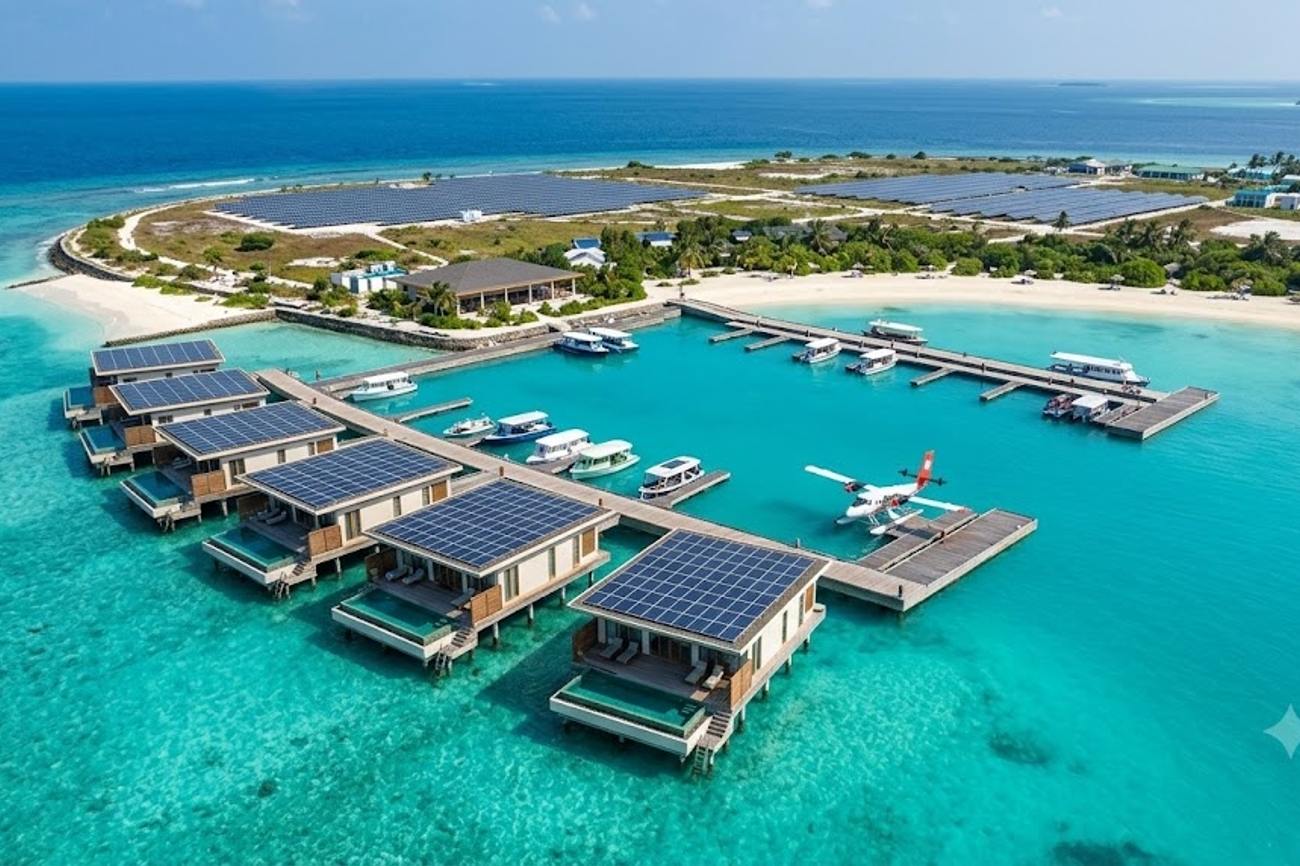
Image generated by AI
[Malé, October 2023] — A massive luxury redevelopment project is underway on Dhidhoo Island following a $39.2 million leasehold-rights acquisition, signaling a shift toward high-capital, sustainable hospitality in the Maldives.
The venture involves a projected capital expenditure of between $172 million and $259 million to transform the island into an institutional-grade resort. The development focuses on integrating "blue" and "green" sustainability metrics, moving away from traditional luxury models toward a framework of environmental accountability and resource self-sufficiency. The project aims to balance ultra-high-end guest experiences with aggressive carbon reduction and marine regeneration targets.
The Dhidhoo Island Acquisition
The project was triggered by a strategic asset acquisition where developers secured leasehold rights to Dhidhoo Island for $39.2 million. This initial investment serves as the foundation for a comprehensive master plan that requires a massive infusion of capital to build out essential infrastructure.
The planned expenditure of $172 million to $259 million is not limited to guest villas. The budget is allocated across several critical infrastructure categories:
- Revenue Architecture: High-end hospitality structures and specialized dining venues.
- Transport & Logistics: Integrated marine transport networks for guest and staff mobility.
- Core Utilities: Off-grid power grids and water desalination systems.
- Wellness & Lifestyle: Holistic health centers and comprehensive wellness facilities.
- Operational Systems: Management software and institutional-grade hospitality platforms.
Financial projections suggest the resort will reach operational maturity with annual gross revenues estimated between $46.65 million and $77.71 million. Once stabilized, the project targets an annual net operating income of $12.46 million to $20.16 million, reflecting a levered internal rate of return (IRR) of 11.9% and a 2.39x multiple on invested capital.
Markets and Revenue Streams Affected
The development departs from the traditional "sun and sand" leisure model, instead targeting a diversified set of high-net-worth markets to ensure year-round occupancy and pricing power.
| Target Market | Primary Activity | Revenue Driver |
|---|---|---|
| Corporate Entities | Executive retreats and summits | Full island buyouts / Day rates |
| Luxury Leisure | High-end vacations | Overnight accommodations |
| Wellness Seekers | Holistic health treatments | Specialized center fees |
| Event Planners | Private weddings and cultural gatherings | Venue hire and catering |
| Long-term Residents | Strategic memberships | Recurring membership dues |
| Brand Partners | Strategic corporate partnerships | B2B contracts |
By implementing a structured programming schedule, the operators intend to shield the asset from seasonal "shoulder period" dips. This strategy forces a shift in global luxury travel patterns, encouraging activity-driven visits regardless of the traditional Maldives tourist season.
What This Means for Travelers
For the average traveler or luxury seeker, this project represents a transition from passive luxury to "impact travel." The developers are explicitly focusing on educating guests about environmental issues without degrading the prestige of the experience.
Direct impacts include:
- Year-Round Access: The shift toward corporate retreats and wellness summits means the island will remain active and accessible outside of peak winter months.
- Eco-Transparent Stays: Guests will likely encounter integrated sustainability metrics, such as the impact of the island's carbon reduction efforts, as part of their stay.
- New Infrastructure: Travelers can expect a higher standard of utility reliability (power and water) due to the industrial-grade off-grid systems being installed.
- Regenerative Tourism: Opportunities for guests to engage with the coral nurseries and marine regeneration projects will be integrated into the guest experience.
Engineering a Self-Sufficient Ecosystem
The most significant technical aspect of the Dhidhoo project is the implementation of modular utility infrastructure designed to eliminate reliance on imported fossil fuels and external water sources.
Energy Matrix: The resort is deploying an 8.5 MW floating solar photovoltaic array. This is paired with a 14.2 MWh industrial battery energy storage system (BESS). This configuration allows the resort to capture offshore solar potential, maximizing land use while ensuring a stable power supply for high-capacity luxury amenities. This move insulates the resort from global fuel price volatility and reduces operational overhead.
Water and Waste Management: To achieve water self-sufficiency, the developers are installing industrial-grade reverse osmosis desalination plants capable of producing 450,000 liters of potable water daily. The project mandates a 100% water recycling metric, where all wastewater undergoes secondary and tertiary purification before being used for landscape irrigation. Together, these energy and water systems are projected to reduce annual carbon emissions by 11,800 metric tons of CO2 equivalents.
Marine Regeneration: The development utilizes "living breakwater" architecture to prevent shoreline erosion. This involves the cultivation of 25,000 coral fragments annually across 4.5 hectares of natural lagoon reefs. This biological defense mechanism enhances biodiversity while protecting the beach profiles from oceanic waves. These efforts are aligned with the broader goals of the Ministry of Tourism Maldives and international marine conservation standards.
Future Timeline and Global Implications
The Dhidhoo Island project serves as a blueprint for future remote luxury developments. By combining institutional-grade financial returns with aggressive environmental engineering, the project challenges the notion that luxury and sustainability are mutually exclusive.
The immediate next steps involve the execution of the physical master plan and the rollout of the marine infrastructure. As the World Tourism Organization (UNWTO) continues to push for sustainable destination management, the Maldives' shift toward self-sufficient, off-grid luxury assets is likely to be mirrored in other remote archipelagos.
The success of this project will be measured not just by the 11.9% IRR, but by the ability of the developers to maintain the "blue and green" boundaries of the ecosystem while scaling operations to meet global demand.
FAQ: Dhidhoo Island Development 2023
How much is being invested in Dhidhoo Island? The initial leasehold acquisition cost $39.2 million. Total capital expenditure for the full development of the resort is projected to be between $172 million and $259 million.
What makes this resort "sustainable" compared to others? It utilizes an 8.5 MW floating solar array, a 14.2 MWh battery system, and a 100% water recycling mandate. It also plants 25,000 coral fragments annually to protect the coastline.
Will the resort only be open during peak tourist seasons? No. The operators are implementing a "proactive activation strategy" including corporate retreats, weddings, and wellness summits to ensure year-round occupancy and revenue.
How does the project impact the local environment? The project aims to reduce CO2 emissions by 11,800 metric tons annually and uses living breakwaters (coral nurseries) to prevent beach erosion and increase marine biodiversity.
A new era of institutional luxury arrives in the Indian Ocean.
#DhidhooIsland #MaldivesTourism2023 #SustainableLuxury #MarineRegeneration #MaldivesHospitality #OffGridEnergy
Related Travel Guides
- New Orleans Joins Miami and More to Transform U.S. Luxury Travel With Rare Culinary Adventures, Private Access and Unforgettable Experiences
- California and New York See Americans Rethink Vacations as High Costs Reshape US Travel in 2026
- The Premium Renaissance of American Passenger Rail: How Amtrak, Brightline, and Heritage Lines Are Reclaiming High-Yield Travelers
Disclaimer
This article is for informational and educational purposes only. It does not constitute legal, financial, or professional advice. While we strive to provide accurate and up-to-date information, travel policies, regulations, and conditions change rapidly. Always verify information with official sources before making travel decisions. Nomad Lawyer makes no representations about the accuracy, reliability, completeness, or suitability of the information provided. Readers should consult qualified professionals for advice specific to their circumstances. The views expressed in this article are those of the author and do not necessarily reflect the views of Nomad Lawyer.
Naina Thakur
Contributor & Travel Specialist
Travel enthusiast and legal writer covering visa regulations, responsible tourism, and cultural journeys across global destinations.
Learn more about our team →