
Mozambique, Zambia, and Tanzania Drive African Tourism Boom with Multi-Million Dollar Safari Investments: New Travel Alert
Mozambique, Zambia, and Tanzania boost African tourism with mega safari projects, park restorations, and ultra-luxury conservation lodges in 2026.

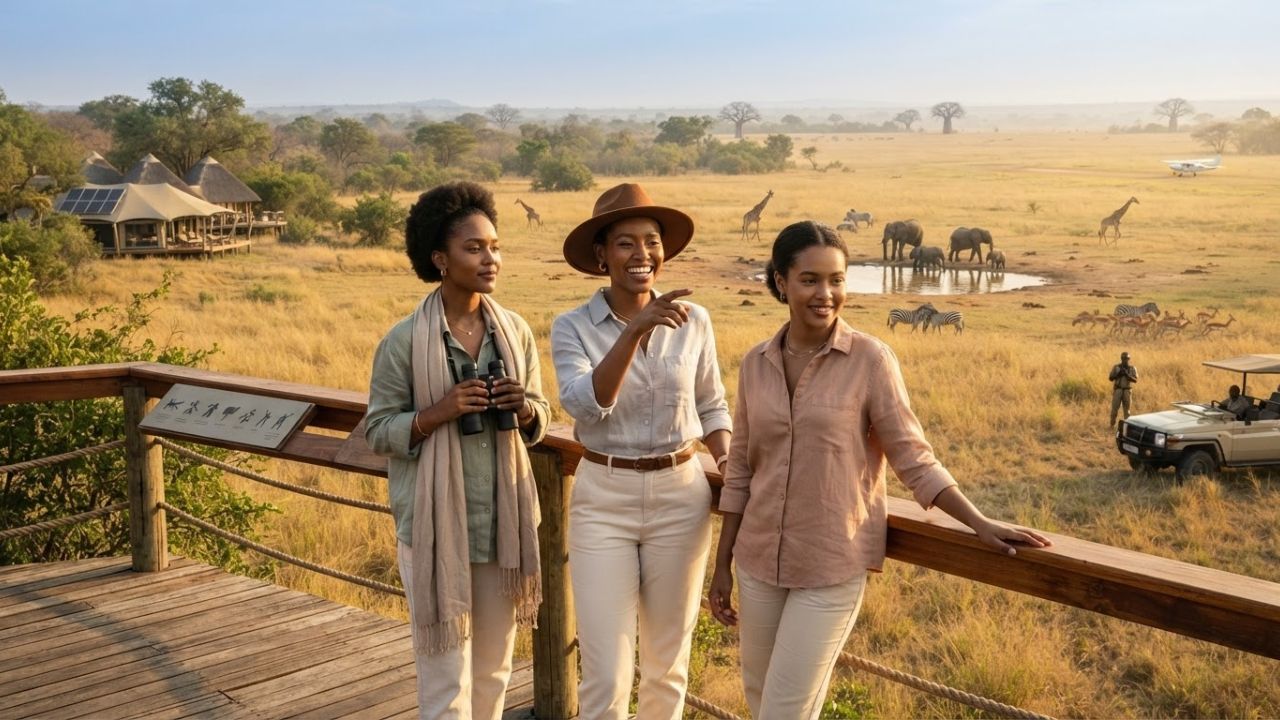
Image generated by AI
Mozambique, Zambia, and Tanzania are leading an investment wave across the African travel sector. Multi-million-dollar projects in national park restoration, luxury lodge collections, and off-grid safari camps are rebuilding wildlife populations and creating new opportunities for international travelers.
Major infrastructure investments and wildlife conservation initiatives are accelerating tourism growth across southern and eastern Africa. Spurring a new phase of African tourism investment 2026 travelers can experience firsthand, countries like Mozambique, Zambia, and Tanzania are launching high-value safari circuits and multi-million-dollar park restoration programs. These initiatives, which connect luxury accommodation with environmental protection and local communities, are building a resilient ecosystem designed to attract affluent international visitors while protecting critical wilderness areas.
Mozambique Restores National Parks with a $23 Million Wildlife Fund
Mozambique is developing its nature-based tourism segment through a $23 million conservation program managed by the Peace Parks Foundation. The funding is directed toward Maputo, Banhine, Limpopo, and Zinave National Parks, which form part of the Great Limpopo Transfrontier Conservation Area. The program combines infrastructure development with active wildlife restoration, including the translocation of 418 animals from Maputo to Banhine National Park, with future plans involving giraffes.
Additionally, over $500,000 has been allocated to expand Banhine National Park's headquarters, improving management capacity and ranger facilities. These investments are designed to make the wilderness regions more resilient and attractive to safari travelers. Local communities are directly integrated into the park's business model, receiving a 20% share of all park-generated revenues to support local livelihoods and ensure long-term conservation cooperation.
| Mozambique Mega Tourism and Conservation Investment | Details |
|---|---|
| Major Investment | $23 million |
| Key Parks | Maputo, Banhine, Limpopo and Zinave |
| Infrastructure | More than $500,000 for Banhine headquarters expansion |
| Wildlife Restoration | 418 animals translocated from Maputo to Banhine |
| Wildlife Focus | Impalas, zebras, blue wildebeest and giraffes |
| Community Benefit | 20% share of park revenues |
| Tourism Opportunity | Conservation tourism, safaris and nature-based experiences |
Zambia Launches Integrated Luxury Lodge Circuits and Rivers Tented Camps
Zambia is targeting high-end tourism growth by consolidating its luxury lodge operations and expanding international brand partnerships. The recently established Zambia Luxury Lodge Collection brings together Chichele Presidential, Puku Ridge, Lolebezi, and Lolelunga Private Reserve under a single owner-led brand. This consolidation makes it easier to market multi-destination luxury safari packages, allowing visitors to travel seamlessly between different wilderness regions.
Concurrently, international hospitality brands are expanding their presence in the country. Minor Hotels' Anantara Kafue River Tented Camp introduces a 13-key ultra-luxury tented safari camp in Kafue National Park. The camp is designed around the natural landscape and animal migration routes, combining premium comfort with wildlife monitoring and rewilding initiatives. These projects aim to attract travelers interested in longer, conservation-focused journeys.
| Zambia Luxury Tourism Expansion | Details |
|---|---|
| Major Development | Zambia Luxury Lodge Collection |
| Properties | Chichele Presidential, Puku Ridge, Lolebezi and Lolelunga Private Reserve |
| International Brand Investment | Anantara |
| Major New Property | Anantara Kafue River Tented Camp |
| Scale | 13-key ultra-luxury camp |
| Conservation Focus | Wildlife monitoring and rewilding |
| Tourism Opportunity | High-value safaris and multi-property luxury circuits |
Tanzania Focuses on Eco-Sensitive Serengeti Tented Concepts
Tanzania's established safari sector is adapting to rising demand for low-impact, sustainable luxury travel. Development around the Serengeti ecosystem is shifting away from large-scale lodges toward smaller, off-grid tented camps powered by renewable energy systems like solar power. This model prioritizes guest privacy and minimal environmental footprint, ensuring that tourism growth does not damage fragile ecosystems.
By limiting accommodation capacity and focusing on eco-sensitive design, operators can charge a premium for exclusive wilderness access. For Tanzania, this strategy ensures that the Serengeti remains a premier sustainable destination, attracting high-spending international travelers while protecting the migration corridors that support the region's wildlife.
| Tanzania Safari Tourism Investment Trend | Details |
|---|---|
| Key Tourism Area | Serengeti and surrounding wilderness regions |
| Investment Direction | Ultra-luxury safari accommodation |
| Development Model | Small-scale, low-impact properties |
| Infrastructure Focus | Solar power and off-grid systems |
| Core Experiences | Wildlife, conservation, privacy and wilderness |
| Target Market | Affluent international travellers |
| Tourism Opportunity | Higher-value sustainable safari tourism |
Continental Collaboration Drives High-Value Destination Growth
To understand the broader distribution of development capital across these key safari markets in 2026, the table below compares the primary drivers and travel impacts of the regional projects:
| Country | Major Tourism Driver | Investment / Development | Main Tourism Impact |
|---|---|---|---|
| Mozambique | National park restoration | $23 million conservation programme | Wildlife and conservation tourism |
| Zambia | Luxury safari expansion | New lodge collection and international hotel investment | Premium safari circuits |
| Tanzania | Sustainable luxury safaris | Expansion of low-impact wilderness concepts | High-value nature tourism |
The developments show that southern and eastern African nations are shifting their focus toward low-impact, high-value tourism. Mozambique is restoring national parks and expanding wildlife populations, Zambia is developing luxury safari packages under consolidated management, and Tanzania is refining its sustainable wilderness models. The common goal is to capture international travel spending to fund conservation and support local economies, protecting the natural assets that define the continent's travel appeal.
Why This Matters: Low-Impact Safaris Improve the Wilderness Experience
For the traveler, this means that booking a safari in 2026 offers a more exclusive and ecologically responsible experience. The translocation of 418 animals to Banhine National Park in Mozambique improves game viewing in previously quiet conservation zones, offering a distinct alternative to crowded commercial safari parks. However, because new properties like the 13-key Anantara Kafue River Tented Camp in Zambia or the off-grid Serengeti camps in Tanzania intentionally limit guest capacity to preserve privacy and minimize environmental impact, booking reservations several months in advance is essential.
From a logistical standpoint, the consolidation of premium properties under the Zambia Luxury Lodge Collection simplifies trip planning. Travelers can book a single multi-destination package covering Chichele Presidential and Lolebezi, ensuring consistent hospitality standards and seamless transfers between camps. Additionally, the 20% revenue-sharing model in Mozambique means that a portion of national park entry fees directly funds community projects, ensuring that visitor spending directly supports the local economy.
Related Travel Guides
- Honduras Tourism Revenue Surges as First-Half International Arrivals Reach Record 1.8 Million: New Travel Alert
- Brazil and Colombia Extended Stays Fuel South American Tourism Currency Surge: New Travel Alert
- Saudi Arabia Tourism Boom Prospects Rise as Strait of Hormuz Energy Shield Secures Regional Stability: New Travel Alert
Disclaimer
This article is for informational and educational purposes only. It does not constitute legal, financial, or professional advice. While we strive to provide accurate and up-to-date information, travel policies, regulations, and conditions change rapidly. Always verify information with official sources before making travel decisions. Nomad Lawyer makes no representations about the accuracy, reliability, completeness, or suitability of the information provided. Readers should consult qualified professionals for advice specific to their circumstances. The views expressed in this article are those of the author and do not necessarily reflect the views of Nomad Lawyer.
Preeti Gunjan
Contributor & Community Manager
A passionate traveller and community builder. Preeti helps grow the Nomad Lawyer community, fostering engagement and bringing the reader experience to life.
Learn more about our team →