
South America Tourism Revenue Surges as Extended Stays in Brazil and Colombia Fuel a Massive Foreign Exchange Boom: Everything You Need to Know
Brazil and Colombia travel boom fuels South America tourism currency surge. Extended stays boost foreign exchange earnings across the continent in 2026.

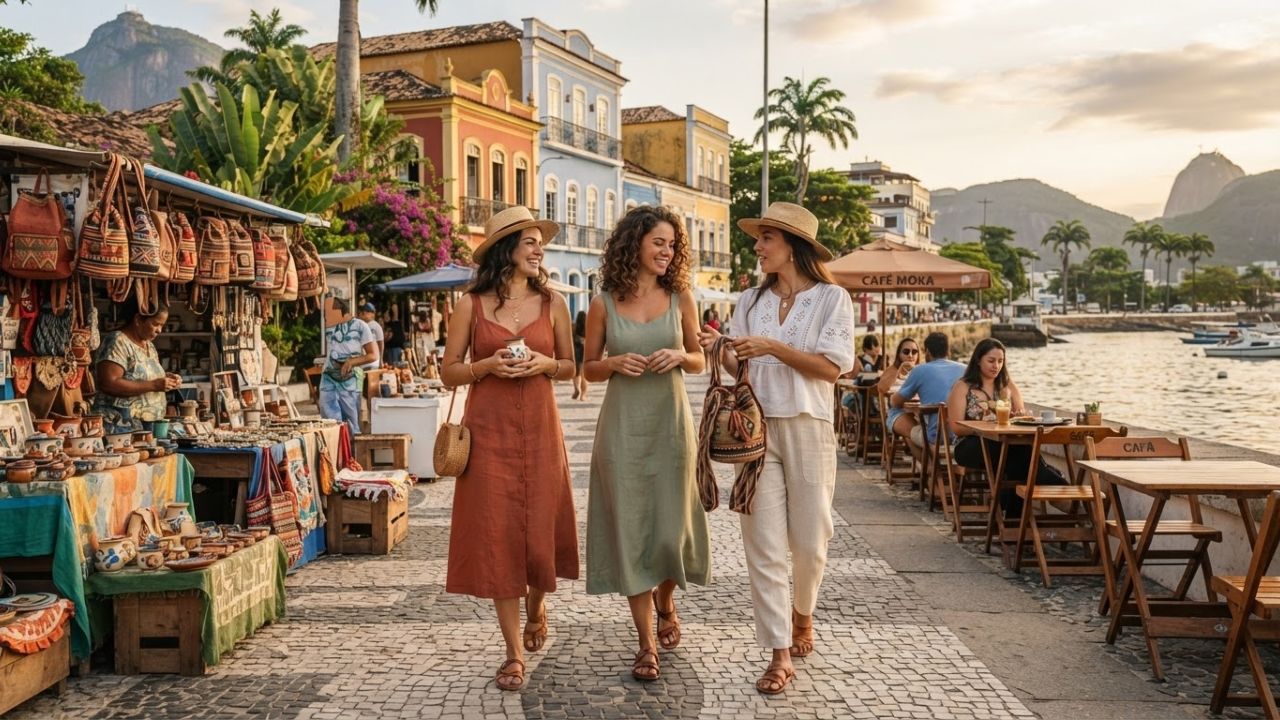
Image generated by AI
Extended stays and slow travel in Brazil and Colombia are driving a massive foreign exchange surge across South America, offsetting regional economic challenges. International travelers are booking longer stays and upgrading accommodations, channeling vital capital directly into local economies in 2026.
International traveler expenditure across Central and South America is projected to rise by 7.8% in 2026, easily outperforming the global average growth rate of 3.7%. Despite first-quarter arrival counts dipping by 1% across the region, a structural shift toward slow travel is yielding record foreign exchange earnings. Inbound visitors staying in Brazil and Colombia are booking longer itineraries, upgrading accommodations, and spending more on local cultural activities, driving a massive South America tourism currency surge.
Central Banks Navigate South American Economic Shocks
The financial dynamics of South American travel are changing noticeably in 2026. Foreign currency created through international visitor expenditure, formally designated as Foreign Exchange Earnings (FEE), is driving strong revenue gains across the continent. These funds offer vital support for central banks navigating regional economic challenges, such as exchange rate fluctuations and elevated jet fuel prices. The Economic Commission for Latin America and the Caribbean (ECLAC) estimates overall regional GDP growth at 2.4% for 2026.
Despite these economic headwinds, international traveler spending continues to outpace expectations. According to forecasts, overseas visitors are prioritizing immersive experiences and longer stays over rapid transit. This behavior keeps capital within local ecosystems longer, strengthening national currency reserves and supporting regional employment in the service sector.
Brazil Records Historic Foreign Currency Generation from Long-Haul Arrivals
Brazil has established itself as the leading financial contributor to South American travel performance during the first half of 2026. Official reports from the Banco Central do Brasil and Embratur indicate that foreign visitors contributed USD 5.60 billion to the national economy between January and June 2026, marking a 12.0% increase over the USD 5.00 billion recorded during the same period in 2025. June 2026 alone generated USD 809 million, representing a notable 17.8% year-on-year increase.
From January through July 2026, Brazil recorded 5.87 million foreign visitor arrivals, with air travel representing over 4 million entries. This expansion in aviation helped balance out reduced land border crossings from Argentina. Rapidly growing long-haul source markets contributed substantially, led by China (+64.5%), Colombia (+33%), and Peru (+18.8%). Visitors in key urban centers such as Rio de Janeiro, São Paulo, and Salvador arranged longer stays and spent more per day, boosting overall national revenue.
Colombia Leverages Aviation Connectivity to Expand Non-Subsurface Export Income
Colombia continues to demonstrate how expanded international flight networks can support economic diversification. Government statistics from the Ministerio de Comercio, Industria y Turismo (MINCIT) show that Colombia recorded USD 3.146 billion in Foreign Exchange Earnings during the first quarter of 2026, representing a strong 9.4% year-on-year increase.
Tourism remains Colombia’s top non-subsurface export sector, generating higher revenue than traditional agricultural products like coffee. Additional direct international flights into major hubs like Bogotá, Medellín, and Cartagena have helped the country attract higher-spending long-haul visitors. Furthermore, foreign travelers are exploring beyond primary cities into regions such as the Eje Cafetero (Coffee Region) and the Caribbean coast, transferring foreign capital directly into local service businesses, boutique lodgings, and eco-tourism enterprises.
High Outbound Travel Expenses Create Deficit in Argentine Net Tourism Balance
Argentina presents an unusual financial picture, where healthy inbound visitor spending is surpassed by heavy outbound travel expenses. Figures from the Instituto Nacional de Estadística y Censos (INDEC) show that Argentina collected USD 1.641 billion in inbound tourism revenue during the first quarter of 2026.
However, Argentine residents spent USD 4.825 billion on overseas travel during the same three-month window, creating a net travel balance deficit of USD 3.184 billion. Outbound spending was heavily focused on neighboring Brazil, where Argentine travelers spent USD 1.635 billion compared to only USD 228 million spent by Brazilian visitors in Argentina. While popular destinations like Buenos Aires, Bariloche, and Mendoza continue to welcome steady international arrivals, current currency trends prompt residents to spend heavily abroad.
Peru Overcomes Civil Demonstrations to Secure Record Inbound Yields
Peru recorded strong revenue increases in early 2026, demonstrating strong earning capability despite brief operational challenges. Data from the Banco Central de Reserva del Perú (BCRP) and MINCETUR reveals that Peru generated USD 1.335 billion in Foreign Exchange Earnings during Q1 2026, reflecting a 12.7% year-on-year increase and standing 20.8% above pre-pandemic 2019 benchmarks.
Physical visitor numbers initially rose by 3.5% in Q1 to reach 823,863 arrivals before experiencing modest declines in April (-5.7%) and May (-1.3%) due to local social and political demonstrations. Nevertheless, world-famous destinations such as Machu Picchu, Cusco, Lima, and Arequipa maintained high average spend per visitor. The enduring global reputation of Peru’s cultural and culinary offerings ensured that higher individual expenditure successfully made up for short-term dips in arrival counts.
Direct Flights and Extended Stays Shift Regional Travel Behavior
A fundamental change in consumer behavior has redefined how international tourists explore South America. The traditional approach of packed, multi-city itineraries spanning several countries in a single week is rapidly giving way to immersive travel. Remote professionals, digital nomads, and affluent travelers are increasingly choosing to spend two to four weeks anchored in a single, distinct region, such as Colombia’s tranquil Coffee Triangle or the sun-drenched Bahian coastline of Brazil.
This shift toward extended stays acts as a direct force multiplier for national foreign exchange earnings. By lingering in one location, travelers spend far more on daily living expenses, boutique rentals, regional transport, and neighborhood services than short-term transit tourists do. This extended footprint boosts local businesses and inflates overall visitor spend without straining public infrastructure or generating environmental overcrowding.
Additionally, the expansion of international direct flight networks into South America has significantly reduced travel friction. Flag carriers and regional airlines have aggressively expanded non-stop transoceanic and inter-continental routes connecting major markets in North America, Europe, and Asia directly to secondary South American hubs like Medellín, Cartagena, and Salvador da Bahia, bypassing traditional capital airport layovers.
By offering direct connectivity to primary regional destinations, airlines have made long-haul travel far more seamless. Bypassing connection schedules appeals directly to high-spending demographics who prioritize comfort and time efficiency. This influx of premium long-haul passengers directly channels foreign currency into regional micro-economies right from the moment of arrival.
Economic Data and Inbound Travel Revenue Indicators
To understand how individual countries compare in terms of tourism yields, the table below highlights the key tourism statistics and foreign exchange earnings recorded across major South American destinations during early 2026:
| Destination Country | Financial Period | Foreign Exchange Revenue | Year-on-Year Growth Rate |
|---|---|---|---|
| Brazil | Jan - Jun 2026 | USD 5.60 Billion | +12.0% |
| Colombia | Q1 2026 (Jan - Mar) | USD 3.146 Billion | +9.4% |
| Argentina | Q1 2026 (Jan - Mar) | USD 1.641 Billion | N/A (Deficit of USD 3.184 Billion) |
| Peru | Q1 2026 (Jan - Mar) | USD 1.335 Billion | +12.7% |
The volume and source dynamics of international arrivals also reveal shifting trends in global interest, as summarized in the arrival performance data below:
| Destination or Market | Measurement Period | Arrivals Count or Growth | Key Trend Details |
|---|---|---|---|
| Central & South America | Q1 2026 | -1.0% YoY | Short-term drop in total arrivals |
| Brazil (Global Arrivals) | Jan - Jul 2026 | 5.87 Million | Over 4 million arrivals via aviation |
| Brazil (China Market) | Jan - Jul 2026 | +64.5% YoY | Fastest-growing long-haul market |
| Brazil (Colombia Market) | Jan - Jul 2026 | +33.0% YoY | High regional transit |
| Brazil (Peru Market) | Jan - Jul 2026 | +18.8% YoY | Steady neighboring growth |
| Peru (Global Arrivals) | Q1 2026 | 823,863 | Up 3.5% despite spring declines |
| Peru (April Decline) | April 2026 | -5.7% | Impact of local demonstrations |
| Peru (May Decline) | May 2026 | -1.3% | Moderate arrival recovery |
Tourism Yields Boost Gastronomic Supply Chains and Payment Modernization
South America’s culinary scene and rich cultural heritage have become major magnets for high-margin tourist expenditure. Overseas travelers are increasingly shifting their budgets away from basic ticketed sightseeing toward premium, experiential journeys. From tasting menus at culinary institutions in Lima to wine-tasting tours across Mendoza’s vineyard estates and historic walking tours in Rio de Janeiro, cultural tourism is delivering exceptionally high yields per visitor.
This preference for authentic, high-end cultural experiences creates a powerful economic trickle-down effect. Spending on fine dining, artisanal craft markets, and boutique heritage tours injects capital directly into local culinary and agricultural supply chains. Local farmers, sommeliers, independent historians, and master craftspeople benefit directly from foreign tourists seeking meaningful, memorable connections with host communities.
Furthermore, the rapid modernization of digital payment networks has dramatically reduced spending friction for foreign visitors. The widespread integration of contactless point-of-sale systems, card-ready merchant networks, and multi-currency mobile payment processing allows travelers to pay effortlessly, even at small market stalls, rural cafes, and regional transport stands.
When international tourists no longer need to carry large volumes of physical currency or deal with complex exchange counters, their willingness to engage in spontaneous, daily micro-spending increases substantially. Whether purchasing a local handicraft, tipping a street performer, or grabbing a coffee on the go, seamless payment processing ensures that foreign currency flows smoothly and continuously into the local economy.
Why This Matters: Immersive Travel Reshapes Local Micro-Economies
For the traveler, this means that visiting South America in 2026 offers a significantly more seamless experience, but one that requires advanced planning. The rapid integration of contactless payment systems and regional direct flights means that exploring beyond capitals like Bogotá and São Paulo is easier than ever. However, because remote professionals and digital nomads are booking out boutique accommodations and regional eco-tours for weeks at a time, short-term travelers must secure reservations months in advance to avoid being shut out of top-tier experiences.
From a logistical standpoint, the growth of slow travel means that international currency goes directly to local residents rather than corporate booking platforms. Travelers should take advantage of this by choosing independent guesthouses, local guides, and regional restaurants, ensuring their expenditure directly supports the communities they visit. Additionally, travelers should monitor exchange rate trends closely, as the high influx of foreign dollars is altering local pricing dynamics in premium tourist corridors.
Related Travel Guides
Disclaimer
This article is for informational and educational purposes only. It does not constitute legal, financial, or professional advice. While we strive to provide accurate and up-to-date information, travel policies, regulations, and conditions change rapidly. Always verify information with official sources before making travel decisions. Nomad Lawyer makes no representations about the accuracy, reliability, completeness, or suitability of the information provided. Readers should consult qualified professionals for advice specific to their circumstances. The views expressed in this article are those of the author and do not necessarily reflect the views of Nomad Lawyer.
Preeti Gunjan
Contributor & Community Manager
A passionate traveller and community builder. Preeti helps grow the Nomad Lawyer community, fostering engagement and bringing the reader experience to life.
Learn more about our team →