
Mount Etna Lightning Strike Kills American Tourist Amid Strict Slope Access
An American tourist dies from a lightning strike on Mount Etna, Sicily, prompting Italian officials to tighten safety rules on the volcanic slopes in H2 2026.

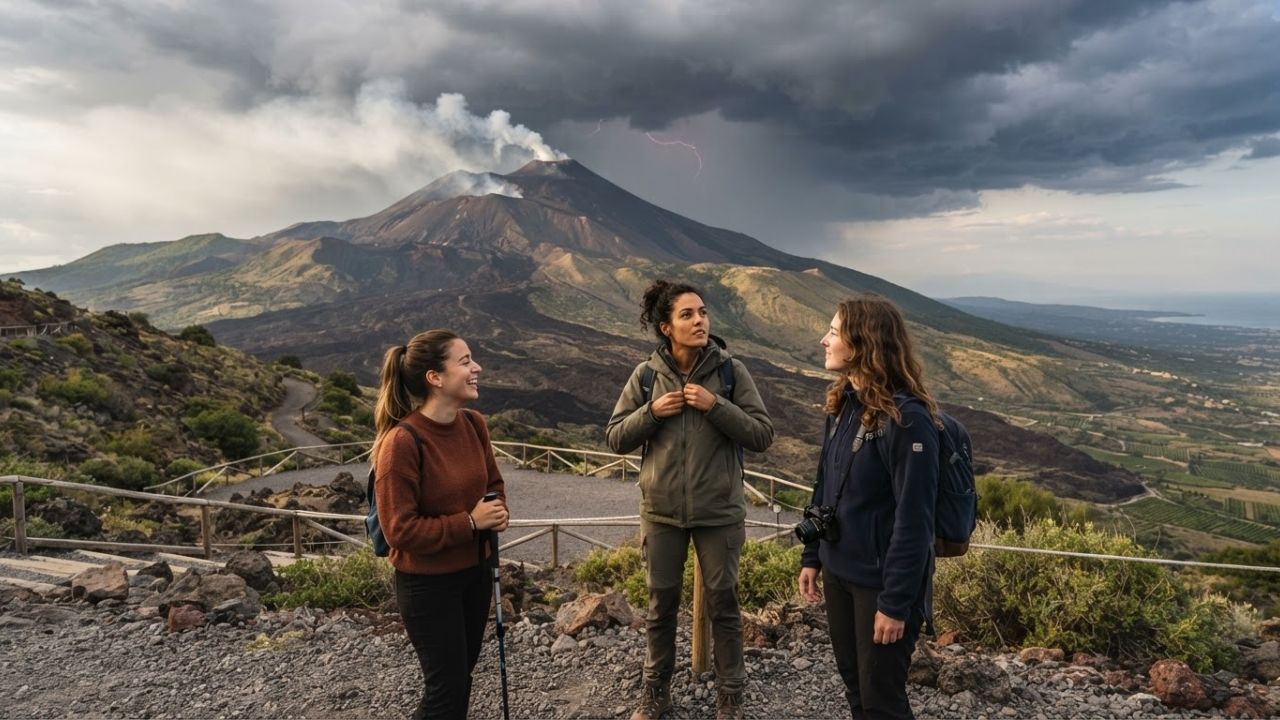
Image generated by AI
A 30-year-old American tourist, identified in reports as Lorraine Klein, was killed by a lightning strike during a sudden thunderstorm on Mount Etna. The tragedy occurred on an exposed section above the tree line where local authorities had restricted access due to active volcanic tremors and recent eruptions.
The adventure travel sector in southern Italy is observing a significant re-evaluation of safety protocols, with regional authorities tightening access to volcanic summit areas after a fatal weather event. On Mount Etna, Europe's most active volcano located on the eastern coast of Sicily, a 30-year-old American visitor died after being struck by lightning during a rapidly developing thunderstorm. Paramedics and rescue teams located the hiker in cardiac arrest at about 8PM local time on an exposed upper slope. Due to the difficult terrain, firefighters used a helicopter to transport him to Cannizzaro Hospital in Catania, where he was pronounced dead on arrival. The incident highlights the immediate dangers of changing mountain weather, which can catch hikers unprepared even as public attention remains focused on the volcano's spectacular eruptions.
For the traveler, the real impact of this tragedy is the reminder that active-volcano tourism requires strict adherence to institutional warnings and weather conditions. Visitors must recognize that route access, altitude clearances, and safety ordinances can change within hours based on geological and atmospheric activity.
Volcanic Activity and Access Restrictions on Mount Etna
The fatal lightning strike occurred during a period of heightened geological activity that had already prompted safety restrictions across Etna's upper elevations. The volcano attracts approximately 1.5 million annual visitors, making safety coordination a primary focus for regional planners:
- Alert Level Upgrades: In June, the Italian Civil Protection Department raised Etna's volcanic alert level from green to yellow following increased volcanic tremors and effusive activity at around 3,000 metres.
- INGV Monitoring: The National Institute of Geophysics and Volcanology (INGV) has continued close observations. Its Etna Observatory issued aviation notices in early August, with a notice on 7 August recording decreasing explosive activity, weak ash emissions, and lava flows in the Valle del Leone and Valle del Bove. The Valle del Leone (Valley of the Lion) and Valle del Bove (Valley of the Ox) are massive horseshoe-shaped depressions located on the eastern side of the volcano. These valleys act as natural containment basins for lava flows during volcanic eruptions, channeling molten rock away from high-altitude tourist facilities and residential villages on the lower slopes. When INGV records active flows in these basins, the risk of explosive ash emissions increases, leading to immediate access restrictions around the summit craters to prevent visitors from inhaling toxic sulfur dioxide and ash particles.
- Access Ordinances: Local municipalities and the Etna Park authority issue regular ordinances restricting travel to specific summit zones, designed to keep independent hikers out of hazard areas.
Because weather conditions on the mountain can deteriorate far faster than on Sicily's coast, travelers are urged to check weather forecasts and volcanic alerts immediately before departure.
The Danger of Mountain Thunderstorms and Exposed Slopes
Etna's high altitude creates sharp weather contrasts, where a sunny morning on the coast of Catania does not guarantee safe conditions near the summit. Thunderstorms can develop rapidly, and the absence of buildings or tree cover on the upper volcanic slopes leaves hikers vulnerable:
- Rapid Development: Thunderstorms in the Mediterranean region can intensify quickly, producing lightning that can strike several kilometers from the main storm center.
- Civil Protection Guidance: The Civil Protection Department advises hikers to begin descending immediately when they see lightning or hear thunder, rather than waiting for rain to start.
- Conductive Hazard Areas: Hikers are warned to stay away from metal ladders, guide ropes, and other conductive structures during a storm.
- The 30-Minute Rule: Once shelter is reached, travelers should wait at least 30 minutes after the last sound of thunder before resuming outdoor activity.
These guidelines emphasize that safety during volcanic tours depends on flexibility and the willingness to abandon itineraries when weather conditions shift.
Ecotourism and Community Support in Sicily
The growth of adventure tourism in Sicily must be balanced with environmental protection and respect for local safety rules. For the traveler, the real impact is a slow-travel model that prioritizes community engagement and minimizes risks to search-and-rescue teams. Travelers can support the local economy by hiring certified regional volcanologist guides, which provides professional employment for local residents and ensures that hikers remain on authorized, safe paths.
Etna is a UNESCO World Heritage Site featuring unique basalt biomes and volcanic soils. The fertile soils surrounding Etna are famous for producing unique agricultural crops, including the sweet Pistacchio di Bronte (green pistachios grown on volcanic terrain, protected by a PDO designation) and juicy blood oranges. Agriturismi on the lower slopes offer farm-to-table dining experiences where visitors can sample these fresh ingredients directly from the harvest. Staying at these rural properties provides travelers with a quiet, eco-friendly base for their excursions, while directly funding local conservation programs and supporting independent Sicilian farming families. Visitors can practice sustainable travel by staying in family-owned agriturismi (farm stays) on the lower slopes, and purchasing regional specialties like almonds, wild honey, and volcanic Etna DOC wines directly from local agricultural cooperatives. Staying on marked trails prevents erosion and protects the surrounding forest reserves.
Destination Specialist Local Insider Tips
To help you explore Mount Etna and the eastern coast of Sicily safely and responsibly, regional specialists suggest the following local tips:
- Check INGV and Etna Park Updates Daily: Do not rely on previously printed maps. Review real-time volcanic tremor updates and route restrictions on official institutional websites before setting off.
- Savor Pasta alla Norma and Cannoli: Try authentic Sicilian gastronomy. Sample Pasta alla Norma (local pasta topped with fried eggplant, rich tomato sauce, and salted ricotta cheese) or fresh Cannoli at traditional trattorias on the mountain slopes.
- Hire a Certified Volcanologist Guide: Ensure your safety by booking a guided excursion. Certified guides are trained to read volcanic signs and monitor rapid changes in summit weather.
- Utilize the 30-Minute Safety Window: If caught in a mountain storm, descend immediately and seek shelter in a vehicle or building, waiting at least 30 minutes after the last thunder claps before stepping outside.
- Target the Shoulder Hiking Months: Plan your Etna excursions during April-May or September-October. The weather is mild (between 15°C and 24°C), avoiding the heavy winter snows and the intense summer heat of July and August.
- Support Regional Agriturismi: Stay in family-owned farm stays on the lower slopes of Etna, such as those in Randazzo or Milo. Choosing these properties ensures your spending directly helps preserve local agriculture and supports rural Sicilian communities.
Long-Term Outlook for Sicilian Adventure Tourism
The long-term outlook for tourism in Sicily remains highly positive, driven by the appeal of its volcanic terrains, ancient history, and agricultural traditions. By prioritizing visitor communication and implementing clear access restrictions during unstable periods, local authorities aim to maintain Etna as a safe destination for international travelers.
As the National Institute of Geophysics and Volcanology continues to monitor volcanic tremors and advise civil protection bodies, the integration of real-time weather alerts and guide certification programs will remain essential. This balanced approach protects Sicily's 1.5 million annual visitors, supports local businesses, and ensures that the natural beauty of Mount Etna remains protected for future generations.
Related Travel Guides
Disclaimer
This article is for informational and educational purposes only. It does not constitute legal, financial, or professional advice. While we strive to provide accurate and up-to-date information, travel policies, regulations, and conditions change rapidly. Always verify information with official sources before making travel decisions. Nomad Lawyer makes no representations about the accuracy, reliability, completeness, or suitability of the information provided. Readers should consult qualified professionals for advice specific to their circumstances. The views expressed in this article are those of the author and do not necessarily reflect the views of Nomad Lawyer.
Kunal K Choudhary
Co-Founder & Contributor
A passionate traveller and tech enthusiast. Kunal contributes to the vision and growth of Nomad Lawyer, bringing fresh perspectives and driving the community forward.
Learn more about our team →