
Monsoon Break Tourists Banned From Tadoba Core Areas June 2026
Monsoon break tourists face restrictions as Tadoba-Andhari Tiger Reserve closes core zones June 30–September 30, 2026. Buffer areas remain accessible for limited wildlife tourism during monsoon season.

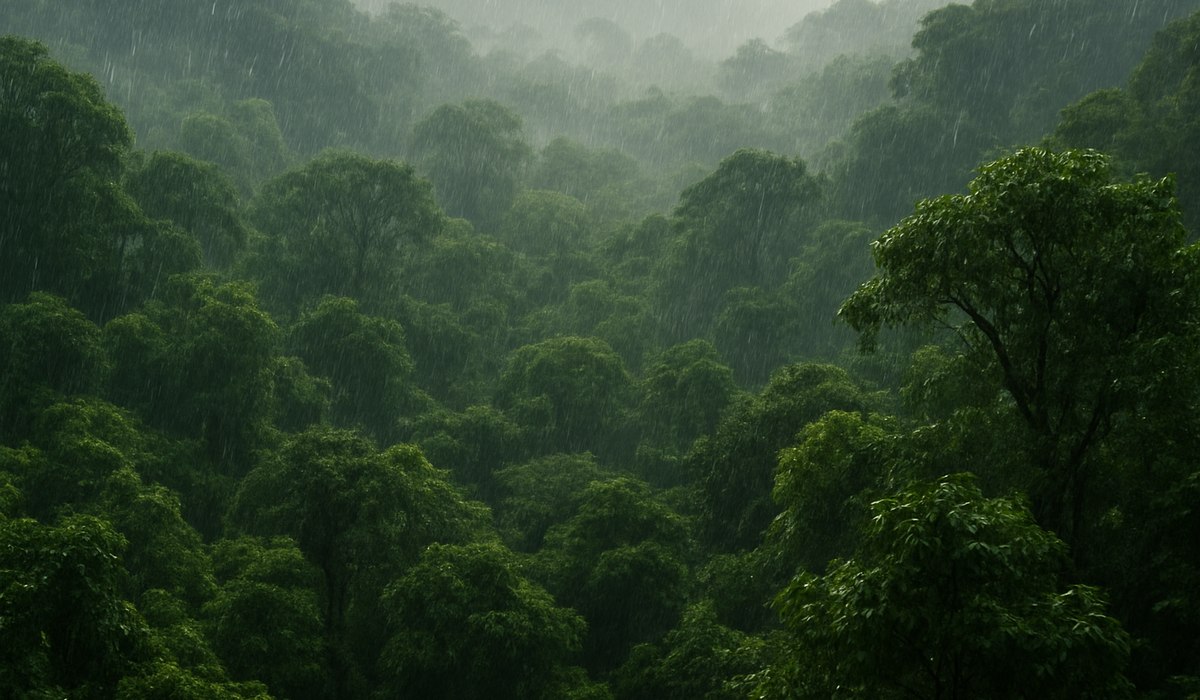
Image generated by AI
Tadoba Tiger Reserve Closes Core Zones to Monsoon Break Tourists
Tadoba-Andhari Tiger Reserve in Maharashtra will restrict monsoon break tourists from entering core sanctuary zones for three consecutive months beginning June 30, 2026. The reserve's management announced the closure through June 30–September 30 to prioritize wildlife conservation and visitor safety during India's intense monsoon season. Buffer tourism zones will continue welcoming visitors under specified weather conditions and administrative oversight. This seasonal restriction affects thousands of international and domestic travelers planning tiger-spotting expeditions during summer vacation periods.
The decision reflects mounting concerns about habitat disruption during critical breeding and denning seasons when tiger populations become more vulnerable to human disturbance. Reserve officials emphasized that monsoon break tourists must adjust itineraries accordingly or explore alternative viewing areas within permitted buffer zones.
Wildlife Conservation and Safety Priorities During Monsoon
The monsoon closure serves dual conservation objectives. Tadoba's core areas function as protected breeding grounds where Bengal tigers raise cubs and establish territorial markers. Visitor presence during June through September disrupts these natural behavioral patterns when rainfall intensifies habitat utilization and predator-prey dynamics shift dramatically.
Safety concerns compound conservation priorities. Monsoon-swollen rivers, landslide-prone terrain, and reduced visibility create hazardous conditions for wildlife viewing. Reserve administrators documented multiple tourist injuries during previous monsoon seasons when sudden flash floods swept through safari routes. The three-month monsoon break tourists closure eliminates unnecessary exposure to these environmental dangers.
Additionally, forest staff deployment focuses entirely on anti-poaching operations and habitat restoration during monsoon months. Reduced tourist management demands allow rangers to concentrate resources on protecting vulnerable wildlife populations. This seasonal staffing reallocation has proven effective in reducing human-wildlife conflict incidents throughout India's tiger reserves.
Buffer Zones Remain Open for Limited Tourism
Monsoon break tourists need not abandon Tadoba visits entirely. The reserve maintains buffer tourism zones offering modified safari experiences throughout the closure period. These peripheral areas encompass approximately 40% of accessible terrain, featuring diverse wildlife including gaur, sambar deer, wild boar, and occasionally leopards.
Buffer zone accessibility remains conditional on weather assessment and administrative approval. Heavy rainfall may trigger temporary route closures within buffer areas, requiring flexibility from tour operators and visitors. Day safari vehicles operate from designated forest checkpoints with experienced naturalists familiar with monsoon-specific wildlife behavior patterns.
Several private resorts adjacent to Tadoba facilitate buffer zone exploration with specialized monsoon packages. These accommodations offer reduced rates during the closure period, recognizing that monsoon break tourists seek authentic wildlife experiences despite core zone restrictions. Local guides provide insights into monsoon ecology, monsoon bird migrations, and behavioral adaptations of tiger prey species.
What Travelers Should Know Before Planning Visits
Monsoon break tourists planning Tadoba visits must understand the operational implications of this seasonal closure. Early booking confirmation with tour operators ensures accurate itinerary adjustments. Most established safari companies provide full refunds or flexible rescheduling options when core zones close.
Travelers should verify accommodation availability in buffer zone areas, as many premium lodges may operate reduced capacity or close temporarily during monsoon months. Alternative experiences include trekking to waterfalls, visiting nearby Pench Tiger Reserve, or exploring archaeological sites within Maharashtra's tourist circuit. The monsoon landscape itself offers photography opportunities as water-filled tank reservoirs attract concentrations of waterfowl and migratory species.
International visitors from North America, Europe, and Southeast Asia represent significant monsoon break tourists demographics. These travelers often plan India itineraries during June-August school vacations. Tour operators recommend shifting Tadoba visits to April-May or October-November when core zones operate fully and weather conditions optimize tiger sightings. Purchasing comprehensive travel insurance covering monsoon-related cancellations provides financial protection.
Key Closure Details and Visitor Impact
| Aspect | Details |
|---|---|
| Facility Name | Tadoba-Andhari Tiger Reserve, Maharashtra, India |
| Closure Period | June 30–September 30, 2026 (92 days) |
| Affected Areas | Core sanctuary zones (approximately 60% of reserve) |
| Reason | Wildlife breeding season, monsoon safety hazards, poaching prevention |
| Alternative Access | Buffer tourism zones operational with weather restrictions |
| Typical Monsoon Break Tourists | 15,000–20,000 annual visitors affected by closure |
| Temperature Range | 24–32°C with 400–600mm monthly rainfall |
| Tiger Population | Approximately 85–95 Bengal tigers in reserve |
What This Means for Travelers
Actionable steps for monsoon break tourists planning Tadoba visits:
-
Verify dates immediately – Contact your tour operator or lodge directly to confirm whether your scheduled visit falls within the June 30–September 30 closure window. Do not rely solely on booking confirmation emails, as closure policies changed recently.
-
Explore rescheduling options – Most operators offer flexible rebooking without penalties during March-May or October-November seasons when core zones operate at full capacity. These alternative periods actually provide superior tiger sightings and weather conditions.
-
Consider buffer zone alternatives – If travel dates remain fixed, investigate buffer zone safari packages offering modified experiences at 40–50% discounted rates compared to standard core zone tours.
-
Check accommodation cancellation policies – Verify whether your resort provides refunds, credit vouchers, or rescheduling options specific to monsoon closure situations before confirming reservations.
-
Obtain comprehensive travel insurance – Select policies covering monsoon-related trip cancellations and weather delays, protecting your financial investment in monsoon break tourist experiences.
Frequently Asked Questions
Q: Can monsoon break tourists still visit Tadoba during June–September?
A: Yes, buffer zones remain accessible under specific conditions. Core zones close exclusively to prioritize tiger conservation during breeding seasons and ensure visitor safety during hazardous weather. Tour operators offer modified buffer zone experiences at reduced rates.
Q: What's the best alternative if my monsoon break dates coincide with the closure?
A: Reschedule your Tadoba visit to March–May or October–November for optimal tiger sightings and comfortable weather. Alternatively, explore nearby Pench Tiger Reserve, Nagzira Wildlife Sanctuary, or archaeological sites around Chandrapur district.
Q: Do monsoon break tourists receive refunds if core zones close during my booking?
A: Most reputable operators provide full refunds or flexible rescheduling without penalties. Verify refund policies in writing before confirming reservations. Check travel insurance coverage for monsoon-related disruptions as backup protection.
Q: Why does Tadoba close core zones specifically during monsoon months?
A: June–September represents critical tiger breeding and cub-rearing season when human disturbance severely impacts reproduction. Monsoon weather creates dangerous conditions, and ranger resources focus entirely on anti-poaching operations during this vulnerable period.
Related Travel Guides
- Jeypore Commuters Stranded as Major Bus Route Cancellations Disrupt Odisha Transit
- Airline Travel Northern: Mariana Islands Crisis as Fuel Costs Surge
- Alaska Airlines Issues Stark Ultimatum on Hawaiian Fleet Consolidation: More A321neos or Complete Phase-Out
Disclaimer
This article draws information from official Tadoba-Andhari Tiger Reserve announcements and Maharashtra Forest Department communications as of June 2026. Reserve policies, closure dates, and buffer zone accessibility may change based on monsoon severity, administrative directives, and wildlife management priorities. Visit the official Maharashtra Tourism website or contact the reserve headquarters directly for real-time updates before finalizing monsoon break tourist itineraries. Always verify closure status with your tour operator, accommodation provider, and transportation service before travel. Nomadlawyer.org is not responsible
Disclaimer
This article is for informational and educational purposes only. It does not constitute legal, financial, or professional advice. While we strive to provide accurate and up-to-date information, travel policies, regulations, and conditions change rapidly. Always verify information with official sources before making travel decisions. Nomad Lawyer makes no representations about the accuracy, reliability, completeness, or suitability of the information provided. Readers should consult qualified professionals for advice specific to their circumstances. The views expressed in this article are those of the author and do not necessarily reflect the views of Nomad Lawyer.
Raushan Kumar
Founder & Lead Developer
Full-stack developer with 11+ years of experience and a passionate traveller. Raushan built Nomad Lawyer from the ground up with a vision to create the best travel and law experience on the web.
Learn more about our team →