
Jeypore Commuters Stranded as Major Bus Route Cancellations Disrupt Odisha Transit
Multiple bus route cancellations in Jeypore, Odisha have left thousands of commuters stranded in 2026. Regional transport disruption exposes critical gaps in Koraput district's public infrastructure and forces travelers to seek costlier alternatives.

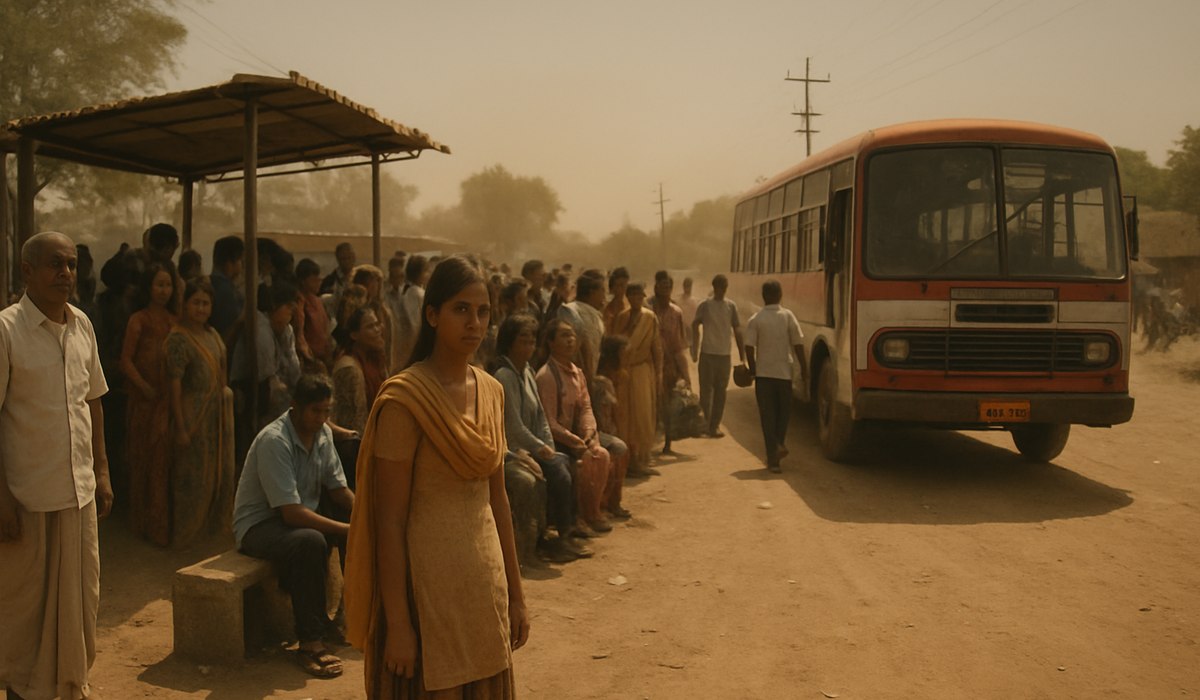
Image generated by AI
Thousands of Jeypore Commuters Stranded as Major Bus Routes Face Cancellations
Multiple bus services across Jeypore in Odisha's Koraput district have been cancelled or suspended, leaving thousands of daily commuters without reliable regional connectivity. The disruption affects both Odisha State Road Transport Corporation (OSRTC) operations and private bus operators, severely impacting travel to nearby towns, workplaces, educational institutions, and medical facilities. Passengers report extended waits at key junctions and bus stands across southern Odisha, with many forced to abandon travel plans or seek costlier alternatives amid the public transport shortage.
The cancellations emerged from a combination of operational pressures, maintenance constraints, and financial challenges facing regional bus operators. The situation underscores persistent vulnerabilities in Koraput district's transport infrastructure and raises concerns about accessibility for low-income commuters who depend entirely on public buses for daily mobility.
Services Halted Across Jeypore Transit Network
The suspension of multiple bus services has created noticeable gaps in regional connectivity throughout the Koraput district. Reports indicate that both routine local routes and longer-distance services linking Jeypore to surrounding towns have experienced reduced frequency or complete cancellation during peak travel hours. Passengers attempting to travel between Jeypore, adjacent settlements, and larger commercial hubs now face severely limited options.
The disruption appears to stem from a broader reduction in fleet availability rather than an isolated incident. When occupancy rates decline below profitable thresholds, particularly during non-festival periods, operators consolidate or suspend services altogether. Administrative decisions regarding temporary vehicle withdrawals for repairs or regulatory inspections have also contributed to service gaps. Without adequate reserve buses or standby vehicles, even brief maintenance periods can eliminate entire routes from the Jeypore network. The hilly terrain and dispersed settlement patterns characteristic of Koraput district further strain aging vehicle fleets and schedules. For detailed information on regional transport conditions, travelers can consult the Odisha State Road Transport Corporation official website.
Cascading Impact on Daily Commuters and Essential Travel
The immediate human cost of jeypore commuters stranded has been substantial and far-reaching across multiple population segments. Workers dependent on early-morning services report missing workplace shifts, while students face inability to attend scheduled classes or examinations. Patients requiring access to hospitals and diagnostic centers in larger towns struggle to reach medical appointments, creating serious health implications for vulnerable populations.
Routine household activities have been severely disrupted. Many families in and around Jeypore coordinate commutes during specific time windows to balance work, education, and agricultural responsibilities. When these services fail to operate as scheduled, family members become stranded at intermediate stops, often without adequate food, water, or shelter. The situation intensifies during periods of heavy rain or extreme temperatures, when roadside waiting becomes physically challenging.
Long-distance travelers attempting to connect through Jeypore toward coastal cities or other states experience compounded disruption. Missed connections result in unexpected lodging expenses, overnight waits at unfamiliar bus stands, and minimal information about subsequent service availability. Women travelers, elderly passengers, and those accompanying young children face heightened vulnerability during such service failures. The transport disruption disproportionately affects low-income populations lacking private vehicles or financial capacity to switch to expensive alternatives on short notice.
OSRTC and Private Operators Struggle With Service Reliability
Operational and financial challenges facing both state-run and private bus operators explain much of the cancellation pattern affecting Jeypore routes. Fluctuating fuel costs, accumulated maintenance backlogs on aging vehicle fleets, and uneven passenger demand on low-margin routes create persistent pressure on operator profitability and service continuity.
The region's geographic characteristics compound these challenges considerably. Lengthy point-to-point routes connecting Koraput, Jeypore, and Berhampur increase mechanical failure risks and scheduling complexity. When a single vehicle requires workshop attention or staffing shortages occur at one location, the cascading effects eliminate multiple departures and return trips throughout the entire day. Passengers frequently discover cancellations or consolidations only upon arrival at bus stands, after purchasing tickets or informally reserving seats.
According to regional transport analysis from India's Ministry of Road Transport and Highways, such service disruptions remain common in districts with dispersed populations and limited operator financial reserves. The Koraput district situation reflects broader structural vulnerabilities in India's regional bus transport ecosystem, where profitability pressures frequently override service reliability commitments.
Passengers Turn to Costlier Alternatives Amid Shortage
As traditional bus services contract, jeypore commuters stranded by cancellations increasingly resort to expensive and often less-regulated transport alternatives. Shared jeeps, private taxi services, and informal ride-sharing arrangements now absorb demand that scheduled buses previously met, but at substantially higher per-journey costs.
This shift imposes financial hardship on low-income commuters with already-limited travel budgets. What previously cost 50-80 rupees via official bus service now demands 150-250 rupees through private vehicles, creating genuine mobility barriers for working-class passengers. The loss of standardized safety protocols, fixed schedules, and official accountability further complicates travel experiences when passengers shift to unregulated alternatives.
Small business operators, particularly vendors traveling to markets, face increased operational costs as transport expenses consume larger portions of their profit margins. This creates ripple effects throughout local economies dependent on regular inter-town commerce and goods movement. Students from remote blocks particularly struggle with the cumulative expense of daily private vehicle use, potentially affecting school attendance and educational outcomes across the Koraput district.
Key Data Table: Jeypore Transport Disruption Impact Summary
| Metric | Details |
|---|---|
| Primary Affected Area | Jeypore, Koraput district, Odisha |
| Services Disrupted | OSRTC and private bus operators |
| Commuter Category Most Impacted | Low-income workers, students, patients |
| Route Types Affected | Local, regional, and long-distance services |
| Primary Cause | Fleet maintenance backlogs, fuel costs, low occupancy |
| Estimated Daily Commuters Affected | Thousands across Koraput district |
| Cost Impact on Commuters | 50-250% increase via private alternatives |
| Geographic Strain Factors | Hilly terrain, dispersed settlements, long routes |
| Vulnerable Groups | Women, elderly, parents with children |
| Secondary Effects | Missed work shifts, delayed medical care, school absences |
What This Means for Travelers
Jeypore commuters stranded by recent bus cancellations should implement several practical strategies to navigate the ongoing transport disruption:
-
Plan Extra Travel Time: Allow 2-3 hours additional buffer for all journeys, as service frequency remains unpredictable and alternative transport fills to capacity quickly.
-
Verify Services Before Departure: Contact OSRTC directly or check local bus stand announcements before purchasing tickets, as cancellations often occur with minimal notice.
-
Budget for Alternative Transport: Prepare additional funds (50-150% above standard fares) for potential pivot to shared jeeps or private vehicles when scheduled buses fail to operate.
-
Use Ride-Sharing Networks: Apps connecting informal transport providers offer real-time availability information, though verify driver credentials and vehicle safety standards independently.
-
Coordinate Group Travel: When possible, share private vehicle costs with other passengers heading toward similar destinations to reduce individual expenses.
-
Document Travel Plans: Keep detailed records of bus ticket purchases and journey dates for potential refund claims or administrative complaints through OSRTC customer service channels.
-
Utilize Digital Tools: Download offline maps and
Disclaimer
This article is for informational and educational purposes only. It does not constitute legal, financial, or professional advice. While we strive to provide accurate and up-to-date information, travel policies, regulations, and conditions change rapidly. Always verify information with official sources before making travel decisions. Nomad Lawyer makes no representations about the accuracy, reliability, completeness, or suitability of the information provided. Readers should consult qualified professionals for advice specific to their circumstances. The views expressed in this article are those of the author and do not necessarily reflect the views of Nomad Lawyer.
Raushan Kumar
Founder & Lead Developer
Full-stack developer with 11+ years of experience and a passionate traveller. Raushan built Nomad Lawyer from the ground up with a vision to create the best travel and law experience on the web.
Learn more about our team →