
Alaska Airlines Issues Stark Ultimatum on Hawaiian Fleet Consolidation: More A321neos or Complete Phase-Out
Breaking airline news and aviation industry updates for 2026.

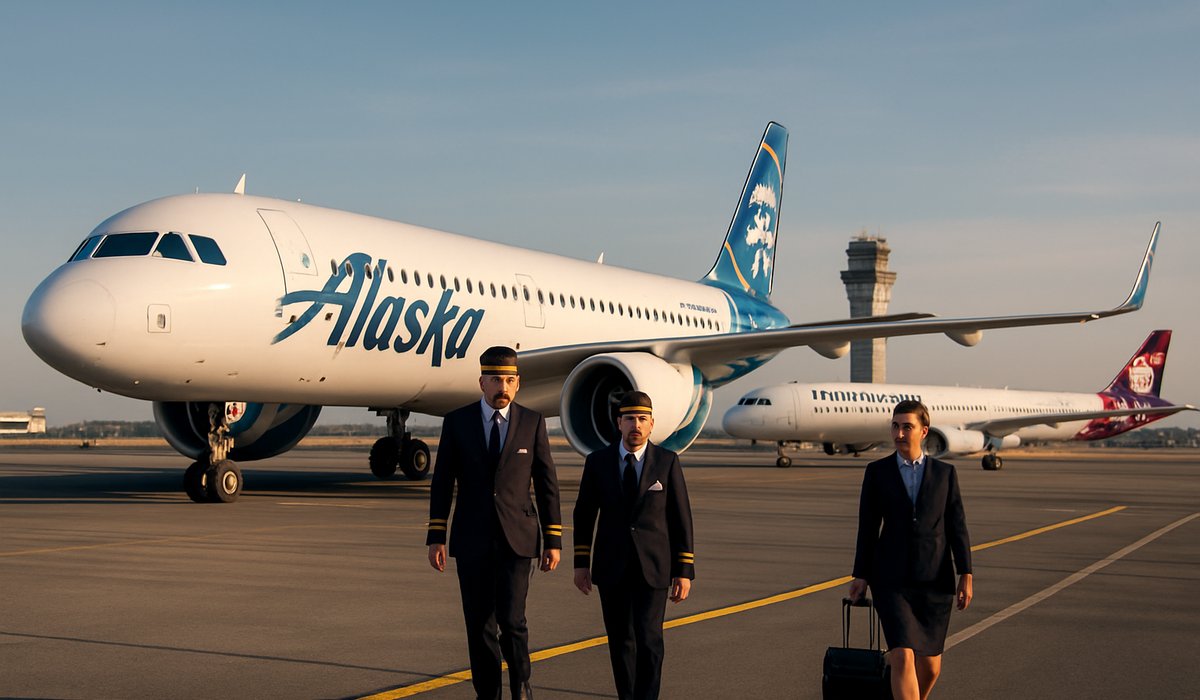
Image generated by AI
Alaska Airlines Issues Stark Ultimatum on Hawaiian Fleet Consolidation: More A321neos or Complete Phase-Out
Following major acquisition, carrier faces critical decision on aircraft strategy amid industry-wide fleet modernization pressures
Acquisition Creates Unprecedented Fleet Complexity
Alaska Air Group's completion of its acquisition of Hawaiian Airlines has left the combined carrier grappling with an unusually fragmented aircraft portfolio. The merger, which unified two major Pacific carriers, resulted in a fleet spanning multiple manufacturers and aircraft types—a significant operational challenge that airline executives now say requires immediate resolution.
The inherited Hawaiian operation currently maintains a diverse collection including Boeing 717s, 737s, and 787 Dreamliners, alongside Airbus A321neos, A330-200s, and Embraer E175 regional jets. This stands in stark contrast to Alaska's pre-acquisition fleet composition, which consisted primarily of Boeing 737 mainline aircraft supplemented by E175 regional service.
Leadership Signals Binary Fleet Strategy
Alaska Airlines leadership has made clear the airline faces two distinct pathways forward: substantially expand the Airbus A321neo fleet across Hawaiian operations, or systematically retire the current Airbus aircraft entirely. The statement reflects broader industry trends toward fleet rationalization and operational efficiency following the aviation sector's turbulent pandemic recovery period.
The decision carries significant implications beyond Hawaiian's operations, as it will determine whether the combined carrier pursues a multi-manufacturer strategy or consolidates around Boeing platforms. Such consolidations directly impact maintenance costs, pilot training, spare parts inventory, and operational flexibility—metrics that influence airline profitability and ultimately shape pricing structures for consumers.
Industry Context: Fleet Modernization and Cost Pressures
Airlines worldwide have faced mounting pressure to modernize aging fleets while managing inflationary pressures on jet fuel costs and labor expenses. The A321neo, a fuel-efficient narrowbody aircraft, has become increasingly popular among carriers seeking to reduce per-seat operating costs and environmental impact. However, maintaining multiple aircraft types significantly increases complexity and reduces economies of scale.
The Embraer E175 regional component faces no immediate threat, reflecting its established role within Alaska's regional strategy. However, the broader fleet question remains unresolved as the airline works toward full operational integration.
What Comes Next
The coming months will prove critical as Alaska Air Group management evaluates capital allocation, fuel hedging strategies, and long-term network planning. The outcome will substantially influence the airline's competitiveness on Pacific routes and its ability to manage the operating cost structure that directly affects ticket pricing and ancillary fees facing consumers.
FAQ: Alaska Airlines Fleet Strategy and Travel Impact
Q: How does fleet consolidation affect airline ticket prices? A: Streamlined fleets reduce maintenance and operational costs, which can theoretically lower ticket prices, though external factors like fuel costs and demand ultimately drive pricing decisions.
Q: Why do airlines care about operating multiple aircraft types? A: Each aircraft type requires separate pilot training, maintenance certification, spare parts inventory, and ground support infrastructure—significant cost drivers that reduce profitability.
Q: What is an Airbus A321neo and why does Alaska prefer it? A: The A321neo is a modern, fuel-efficient narrowbody airliner that reduces per-seat operating costs and appeals to carriers managing post-pandemic recovery expenses.
Q: How does jet fuel pricing influence fleet decisions? A: Volatile fuel costs incentivize airlines to operate newer, more fuel-efficient aircraft, making fleet modernization critical to financial stability during inflationary periods.
Q: When will Alaska Airlines announce its Hawaiian fleet decision? A: No specific timeline has been announced, though management has indicated a resolution is forthcoming as integration planning accelerates.
Related Travel Guides
- Historic Return to Naples: American, Delta, and United Lead Multi-Carrier Push to Restore Commercial Flights at Naples Airport to End Florida Travel Chaos and Airport Disruptions
- United Business Class Surcharge Hits $499 per Segment in 2026
- Travellers left stranded: Nashville airport disruptions expose US airline capacity crisis
Disclaimer
This article is for informational and educational purposes only. It does not constitute legal, financial, or professional advice. While we strive to provide accurate and up-to-date information, travel policies, regulations, and conditions change rapidly. Always verify information with official sources before making travel decisions. Nomad Lawyer makes no representations about the accuracy, reliability, completeness, or suitability of the information provided. Readers should consult qualified professionals for advice specific to their circumstances. The views expressed in this article are those of the author and do not necessarily reflect the views of Nomad Lawyer.
Preeti Gunjan
Contributor & Community Manager
A passionate traveller and community builder. Preeti helps grow the Nomad Lawyer community, fostering engagement and bringing the reader experience to life.
Learn more about our team →