
UK Air Traffic Chaos 2026: How a One-Millisecond NATS Software Bug Cancelled 2,000 Flights
A one-millisecond software defect in the NATS National Airspace System triggered over 2,000 UK flight cancellations on September 8, 2026, highlighting critical vulnerabilities in aviation infrastructure.

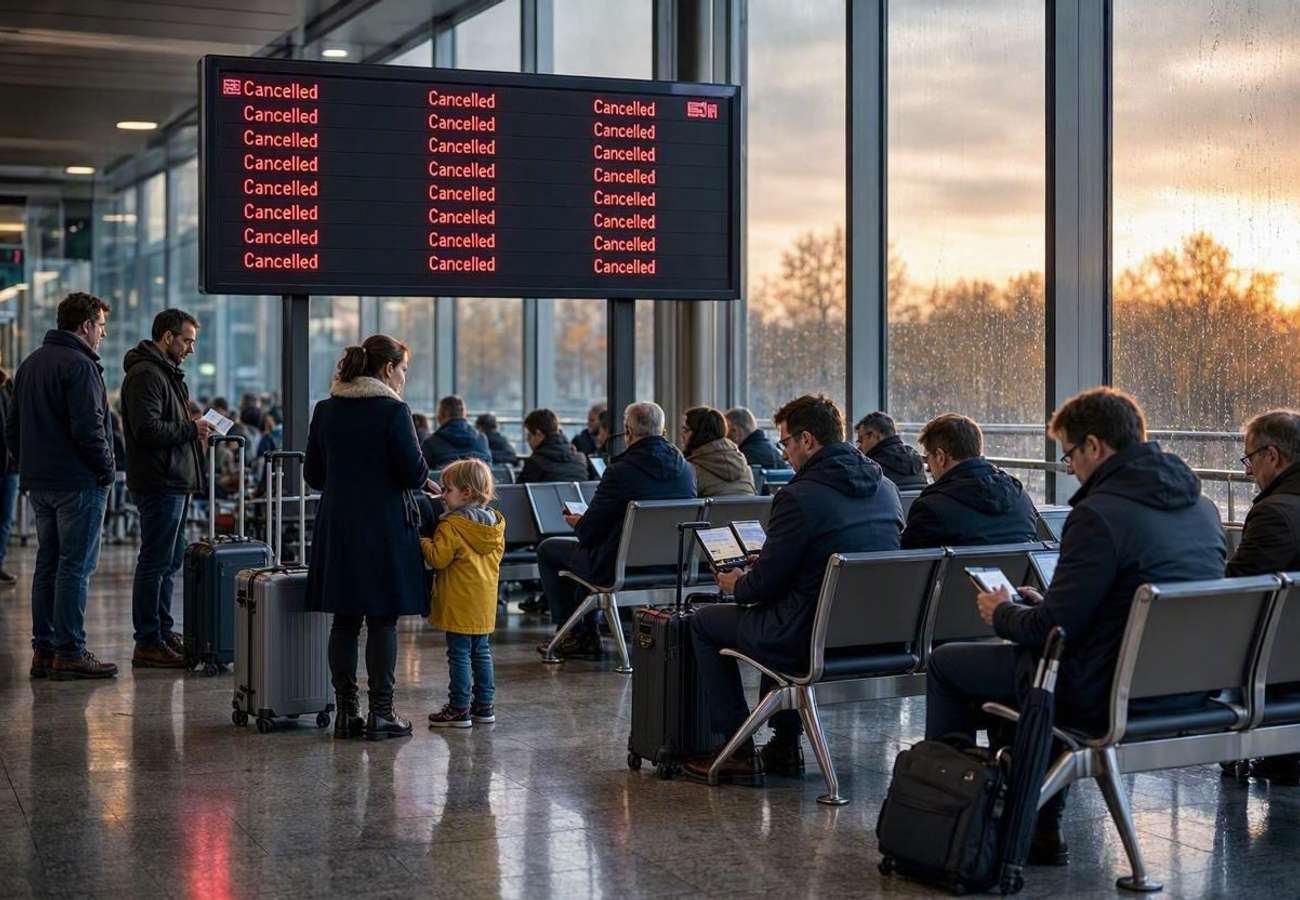
Image generated by AI
Are you planning a trip through UK airspace this autumn? A technical failure lasting just one millisecond recently grounded thousands of passengers, proving that even the smallest digital glitch can paralyze national transit.
The NATS Software Failure of September 2026
On Tuesday, September 8, 2026, the United Kingdom's aviation infrastructure suffered a systemic collapse triggered by a microscopic software defect. According to a preliminary report from National Air Traffic Services (NATS), the glitch occurred within the National Airspace System during the processing of a manual request for aircraft code allocation. These codes are the primary identifiers used by air traffic controllers to track flights on their screens.
The technical failure followed a specific sequence: the system paused to handle a higher-priority request, then resumed incorrectly. In a window of exactly one millisecond, the system produced corrupted output. Although the initial fault was isolated to traffic managed by the London Area Control Centre, the safety implications forced a nationwide response. To ensure controllers were operating with reliable data, NATS implemented flow restrictions across the entire UK to allow for a full system restart and data reload.
While the technical "restart" was relatively brief, the operational fallout was massive. The disruption began around 10 a.m. on September 8. While the airspace restrictions lasted approximately six hours, the resulting backlog of passengers and aircraft took more than two days to resolve. This delay is a classic symptom of hub-and-spoke network failure, where aircraft and crews are displaced, leading to a cascade of missed connections and expired legal duty hours for flight crews.
Impact and Operational Data
The scale of the disruption underscores the fragility of modern air traffic management. The following table outlines the specifics of the September 8 event compared to previous systemic failures.
| Metric | September 8, 2026 Incident | August 28, 2023 Incident |
|---|---|---|
| Primary Cause | 1ms Software Defect (Code Allocation) | Flight-Planning System Failure |
| Total Cancellations | 2,000+ Flights | Not specified (700k passengers impacted) |
| Immediate Downtime | ~6 Hours of restrictions | Multiple hours |
| Recovery Period | 2+ Days | Multiple days |
| Estimated Cost | Under Investigation | £75 million to £100 million |
| Regulatory Action | Independent CAA Review (6-month window) | Completed Regulatory Program (June 2026) |
Traveler Logistics Guide
When a systemic failure like the NATS glitch occurs, the chaos at the terminal often outweighs the technical fault in the air. If you find yourself caught in a UK-wide airspace restriction, follow these logistics steps to minimize disruption.
1. Immediate Documentation The moment a cancellation is announced, screenshot the notification. Distinguish between the "initial disruption" (the NATS failure) and "secondary effects" (your flight being cancelled two days later because the plane was stuck in another city). This distinction is vital for insurance and compensation claims.
2. Managing Duty of Care Regardless of whether the fault was a software bug or weather, airlines are legally required to provide "duty of care." This includes:
- Vouchers for meals and refreshments.
- Hotel accommodation if an overnight stay is required.
- Ground transportation between the airport and the hotel. Keep every single receipt for these expenses if the airline does not provide vouchers directly.
3. Navigating Compensation Claims Under the UK's retained version of EU Regulation 261, passengers are often entitled to cash compensation for cancellations. However, airlines frequently categorize air traffic control (ATC) failures as "extraordinary circumstances," which exempts them from paying cash.
- Pro Tip: If your flight was cancelled on September 8, it may be deemed "extraordinary." However, if your flight was cancelled on September 10 due to "crew scheduling issues" resulting from the bug, you may have a stronger case for compensation, as crew management is generally the airline's responsibility.
4. Digital Check-in and Rerouting Avoid the ticket counter queues. Use the airline's mobile app to monitor "slot availability." During NATS recoveries, airlines often prioritize high-frequency routes. If you are on a low-frequency route, proactively search for alternative airports (e.g., switching from Gatwick to Stansted) and request a reroute via the app or social media DM.
For official guidance on passenger rights in the UK, refer to the UK Civil Aviation Authority (CAA).
Regional Connectivity Impact
This incident has sparked a significant debate regarding the resilience of the UK's critical national infrastructure. The Transport Secretary, Heidi Alexander, has mandated both a NATS internal report and an independent review by the CAA, with results expected within six months.
The ripple effect of this failure extends beyond the UK. Because London serves as a primary global hub, the 2,000+ cancellations disrupted transit flows to Europe, North America, and Asia. Airlines like Ryanair have already called for leadership changes at NATS, citing a pattern of technology failures that threaten the reliability of UK transit.
Travelers should expect airlines to build larger "buffers" into their schedules this autumn. This means longer turnaround times between flights to prevent a single localized glitch from triggering another nationwide collapse. While this may lead to slightly longer travel times, it increases the probability that your connection will survive a minor technical hiccup.
FAQ: UK Airspace Disruptions 2026
Do I need a transit visa if my flight is delayed in the UK? Transit visa requirements depend on your nationality and the length of your stay. If a delay forces you to leave the airport for a hotel, you may need to pass through border control. Check current UK Government visa requirements before traveling.
Can I check my bags through to my final destination during a NATS failure? Usually, yes, but if you are rerouted on a different airline or a separate ticket due to the disruption, you may be required to reclaim your luggage and re-check it. Always confirm the "baggage tag" destination at the check-in desk.
How long should I allow for layovers in the UK during this period? Given the current volatility and the "buffer" strategies airlines are adopting, I recommend a minimum of 4 hours for domestic-to-international connections and 6 hours for international-to-international connections at major hubs like Heathrow or Gatwick.
Is travel insurance necessary for ATC failures? Yes. While airlines provide basic care, travel insurance often covers "trip interruption" or "missed connection" costs that exceed the airline's legal obligations, especially for non-refundable hotel bookings at your destination.
One millisecond is all it takes to rewrite a travel itinerary; always carry a backup plan.
Related Travel Guides
Disclaimer
This article is for informational and educational purposes only. It does not constitute legal, financial, or professional advice. While we strive to provide accurate and up-to-date information, travel policies, regulations, and conditions change rapidly. Always verify information with official sources before making travel decisions. Nomad Lawyer makes no representations about the accuracy, reliability, completeness, or suitability of the information provided. Readers should consult qualified professionals for advice specific to their circumstances. The views expressed in this article are those of the author and do not necessarily reflect the views of Nomad Lawyer.
Naina Thakur
Contributor & Travel Specialist
Travel enthusiast and legal writer covering visa regulations, responsible tourism, and cultural journeys across global destinations.
Learn more about our team →