
West Africa’s Tourism Pivot: The Gambia and Senegal Launch Strategic Cross-Border Integration
The Gambia and Senegal are streamlining border transit and joint itineraries to create a unified West African tourism hub. Explore the new regional strategy.

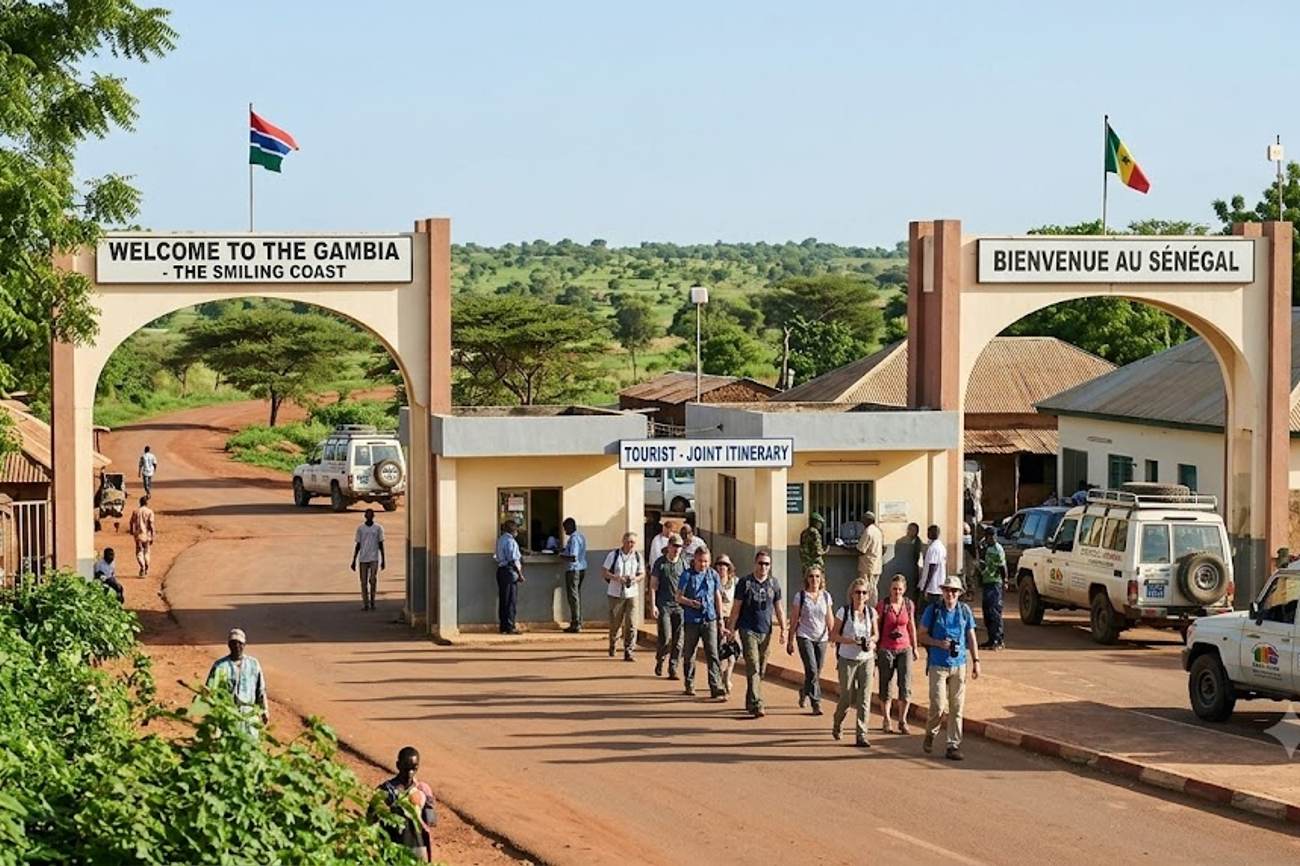
Image generated by AI
[BANJUL, September 8, 2026] — A sweeping strategic alignment between the tourism authorities of The Gambia and Senegal is fundamentally altering the movement of travelers across West Africa. By integrating border protocols and co-developing regional itineraries, the two nations are transitioning from isolated travel destinations into a singular, interconnected cultural corridor.
The initiative, driven by a need to increase visitor length of stay and maximize regional economic impact, focuses on removing the administrative friction that has traditionally hindered multi-country trips. For the modern traveler, this shift means the ability to move from the coastal ecosystems of The Gambia to the historical reserves of Senegal without the logistical hurdles that previously defined the region's border crossings.
Strategic Synergy Between GTBoard and MOTAC
The Gambia Tourism Board (GTBoard), working in close coordination with the Ministry of Tourism and Culture (MOTAC), has shifted its operational focus toward sustainable destination management and aggressive international outreach. Central to this new strategy is the belief that bilateral cooperation is the only way to amplify the regional appeal of West Africa on the global stage.
To achieve this, GTBoard and MOTAC have implemented a series of high-level engagements where Senegalese tourism operators are invited into Gambian territory. These summits are not merely diplomatic; they serve as operational workshops where stakeholders evaluate joint itineraries and share best practices for hospitality management. The goal is to merge disparate marketing strategies into a unified voice, presenting West Africa as a multi-faceted cultural hub rather than two separate, competing entities.
Government data indicates that regional arrivals now constitute a significant portion of total tourism traffic. In response, authorities are prioritizing the harmonization of hospitality standards and the streamlining of transit regulations. This administrative cleanup is designed to encourage "dual-destination holidays," where a single visa or permit allows for an effortless transition between the two territories.
Optimizing the Ground-Level Visitor Experience
The collaboration between Gambian and Senegalese stakeholders has moved beyond policy papers and into tangible operational changes. Joint task forces are currently implementing several key infrastructure and regulatory upgrades:
- Standardized Certification: Tour operators are moving toward a unified certification process to ensure consistent quality across borders.
- Riverine Connectivity: Efforts are underway to improve transport links across the Gambia River basin, reducing reliance on congested road networks.
- Unified Ticketing: The development of shared ticketing systems for ecotourism sites allows travelers to access protected areas in both countries with a single transaction.
These measures specifically target the pain points of international tour groups, who historically faced significant administrative delays when crossing boundaries during a single vacation. By reducing these frictions, the region becomes more attractive to high-spending international markets and diaspora travelers.
Furthermore, the two nations are leveraging their shared cultural heritage—including traditional music, culinary traditions, and historical ties—to create a cohesive brand. Instead of competing for the same tourists at international trade fairs, the tourism boards are now appearing under unified regional pavilions. This strategy optimizes marketing budgets while increasing the visibility of West African tourism products globally.
Regional Tourism Framework: Frequently Asked Questions
| Inquiry | Official Response / Detail |
|---|---|
| Primary Goal of Collaboration | To eliminate travel friction, harmonize hospitality standards, and promote a unified regional destination. |
| Direct Benefits for Travelers | Streamlined transit, diversified itineraries (coastal and inland), and improved regional infrastructure. |
| Leading Agencies | Jointly led by the Gambia Tourism Board (GTBoard) and the Ministry of Tourism and Culture (MOTAC), with private Senegalese operators. |
Long-Term Economic Impact and Sustainability
Sustainability remains a core pillar of the GTBoard and MOTAC operational blueprint. The current framework agreements explicitly prioritize community-based tourism. This ensures that the financial gains from increased cross-border movement reach local artisans, rural guides, and eco-lodge operators rather than remaining concentrated in urban hubs.
Environmental stewardship is also being integrated into the bilateral agreement. Co-management protocols are being developed for marine and wildlife reserves that straddle the border corridors, ensuring that increased tourism does not lead to ecological degradation.
Industry analysts project that intra-African tourism spending will see steady growth as regional connectivity improves. By relaxing visa restrictions for regional citizens and upgrading transnational roadways, West Africa is positioned to become one of the continent's most vibrant growth zones for adventure and cultural tourism.
Why This Matters: The Traveler's Perspective
For the international traveler, this integration represents a shift from "country-hopping" to "region-exploring." Historically, visiting both The Gambia and Senegal required separate planning phases, different sets of logistics, and a tolerance for bureaucratic delays at the border. The current trajectory suggests a future where the border is a formality rather than a barrier.
From a logistical standpoint, the introduction of unified ticketing and standardized operator certifications removes the "trust gap" that often occurs when switching tour providers between countries. Travelers can now expect a consistent level of service and safety regardless of which side of the border they are on.
Furthermore, this move signals a broader trend in African tourism: the shift toward "Regional Blocks." By pooling resources, smaller nations can compete with global giants like Thailand or Greece. For the visitor, this means more diverse experiences—such as combining a beach holiday in The Gambia with a historical tour of Senegal's interior—within a single, streamlined trip.
Related Travel Guides
Disclaimer
This article is for informational and educational purposes only. It does not constitute legal, financial, or professional advice. While we strive to provide accurate and up-to-date information, travel policies, regulations, and conditions change rapidly. Always verify information with official sources before making travel decisions. Nomad Lawyer makes no representations about the accuracy, reliability, completeness, or suitability of the information provided. Readers should consult qualified professionals for advice specific to their circumstances. The views expressed in this article are those of the author and do not necessarily reflect the views of Nomad Lawyer.
Kunal K Choudhary
Co-Founder & Contributor
A passionate traveller and tech enthusiast. Kunal contributes to the vision and growth of Nomad Lawyer, bringing fresh perspectives and driving the community forward.
Learn more about our team →