
Baja's Desert Heart: A Guide to Mexicali and La Chinesca
Explore Mexicali's cultural heritage. Discover La Chinesca's Chinese-Mexican history, Laguna Salada desert tours, and Baja food guides.

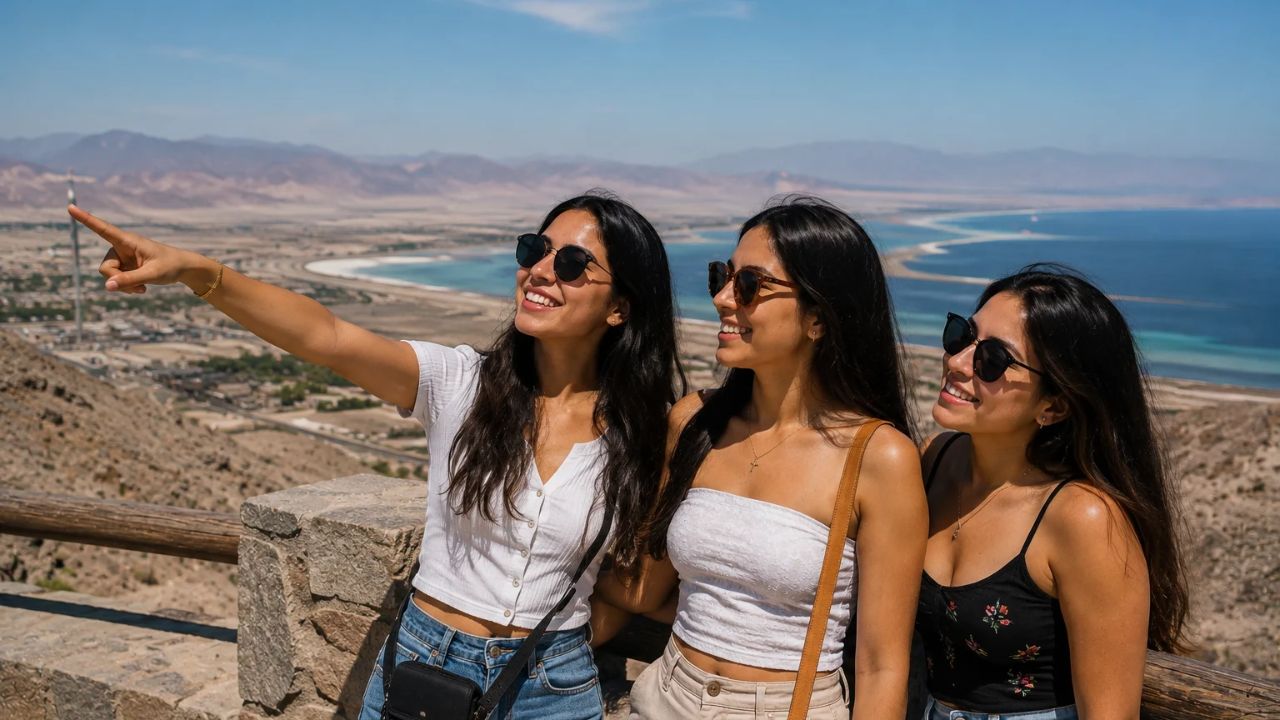
Image generated by AI
Mexicali is emerging as Baja California’s premier hub for authentic desert and cultural tourism, drawing travelers away from conventional coastal resorts. Featuring the historic underground corridors of La Chinesca and the dunes of Laguna Salada, the city offers a unique blend of Chinese-Mexican heritage and wilderness adventure.
The Diversification of Baja California Travel
Baja California has long been celebrated for its coastal resort corridors, surfing beaches, and the wine estates of Valle de Guadalupe. In the northern desert plains, however, Mexicali is establishing a different travel proposition. Known as the "Heart of the Desert," the state capital combines multicultural urban neighborhoods with wilderness environments, offering an alternative to typical sun-and-beach holidays.
This trend toward authentic, heritage-focused itineraries appeals to travelers seeking cultural connection and outdoor exploration. Rather than moving along pre-packaged routes, visitors can explore historic districts, learn about regional migration stories, and travel into the desert. The city’s location near the United States border also makes it highly accessible for international travelers on a road trip through northern Mexico.
La Chinesca: Mexicali’s Multicultural Center
The primary cultural attraction in Mexicali is La Chinesca, a historic downtown district that preserves the city's Chinese-Mexican heritage. Established by Chinese immigrants who arrived in the early 20th century to work on agricultural irrigation projects, the neighborhood tells a story of cultural exchange and community development:
- Underground Corridors: To escape the extreme summer heat, the early Chinese community constructed a network of basements and tunnels beneath the streets. These underground spaces served as housing, commercial shops, and social hubs, and are now open for guided tours.
- Chinese-Mexican Fusion Cuisine: Decades of cultural integration resulted in a unique culinary tradition. With over 200 Chinese restaurants across the city, Mexicali is celebrated for dishes that combine traditional Chinese cooking techniques with Mexican ingredients, such as arrachera beef with soy and chilies.
- Historic Architecture: The district features historic buildings, colorful murals, and community centers that host cultural festivals, linking past migration with modern tourism.
Desert Adventures: Laguna Salada and Dunas de Cuervitos
Beyond the urban center, Mexicali’s natural attractions draw adventure travelers and nature photographers:
- Laguna Salada: A vast dry lake basin located below sea level, surrounded by the Sierra de Juárez mountains. The plain is popular for scenic desert drives, photography, and stargazing.
- Dunas de Cuervitos: Located near Los Algodones, these golden sand dunes are a premier destination for sandboarding, off-road driving, and desert hiking.
- Desert Sightseeing: Guided tours introduce travelers to the flora and fauna of the Sonoran Desert, offering opportunities to observe native species and explore rugged canyons.
Family-Friendly and Educational Attractions
For families and independent travelers, Mexicali offers a variety of educational and recreational facilities:
- Interactive Museums: Science and history museums provide interactive exhibits that detail the geography and history of the Colorado River delta.
- Cultural Centers: Municipal art galleries and theaters host regional music, dance, and art exhibitions, showcasing northern Mexican heritage.
- Recreational Parks: Urban parks offer walking trails, lakes, and picnic areas, providing a green space within the desert city.
Sustainable Tourism and Downtown Revitalization
For the visitor, the real impact of Mexicali's rising tourism is the revitalization of its historic downtown. Tourism spending in La Chinesca directly supports the conservation of historic buildings and funds community programs that document the history of Chinese migration in Baja California.
Furthermore, adventure tourism operators coordinate with environmental agencies to promote responsible desert travel. Staying on designated trails during off-road excursions and packing out all waste helps protect the fragile desert ecosystem. This balance ensures that tourism development supports both the local economy and environmental conservation.
For example, you can explore the changing dynamics of US Cities Drive Global Tourism Through BBQ, Jazz, Sports, and Authentic Heritage to see how regional pride is shaping travel. For budget-conscious travelers, aligning slow city travel with municipal transit options mirrors similar regional initiatives, such as the Free Admission at Select US State Parks programs. This trend is similar to the tourism growth seen in other destinations, as detailed in our guide on how Utica, New York Emerges as an Affordable Northeast Tourism Hub.
Visitor Insider Tips: Planning Your Desert Trip
To plan a safe and enjoyable trip to Mexicali and the surrounding desert, keep these practical tips in mind:
- Avoid Summer Heat: Summer temperatures in the Mexicali valley can exceed 45°C (113°F). Plan desert excursions and walking tours for the cooler winter and shoulder-season months between November and April.
- Book a La Chinesca Tour: The historic underground tunnels are accessible only via registered guided tours. Book your tour in advance through the Mexicali historical society or local tourism boards.
- Prepare for Desert Driving: If traveling to Laguna Salada or Dunas de Cuervitos, utilize a four-wheel-drive vehicle, carry plenty of drinking water, and download offline maps as cell coverage is limited.
- Sample the Local Fusion Food: Ask locals for recommendations in La Chinesca to find authentic Chinese-Mexican diners serving regional specialties.
- Check Border Crossings: If crossing from Calexico, California, check real-time border wait times and carry valid identification, such as a passport, for entry back into the United States.
Long-Term Outlook for Northern Mexico Ecotourism
The long-term outlook for Mexicali's tourism economy is positive, supported by ongoing investment in cultural preservation, culinary events, and outdoor recreation. As global travelers seek unique destinations that offer cultural heritage and wilderness adventure, Mexicali is well-positioned to grow.
By balancing urban development with the conservation of its desert resources, the city can ensure that tourism remains a sustainable contributor to Baja California's economy.
FAQ
What is La Chinesca?
La Chinesca is Mexicali's historic multicultural district, celebrating the heritage and underground residential history of Chinese immigrants who settled in the city.
What are the main desert attractions near Mexicali?
Laguna Salada, a dry lake basin below sea level, and Dunas de Cuervitos, a popular sandboarding destination, are the primary outdoor attractions.
What is Chinese-Mexican fusion food?
It is a unique culinary style developed in Mexicali that blends traditional Chinese cooking techniques with Mexican ingredients like chili, lime, and local beef.
When is the best time to visit Mexicali?
The best time is during the cooler months from November through April, when desert temperatures are comfortable for hiking and sightseeing.
Learn how to explore Baja California Norte responsibly and plan your itinerary.
Related Travel Guides
Disclaimer
This article is for informational and educational purposes only. It does not constitute legal, financial, or professional advice. While we strive to provide accurate and up-to-date information, travel policies, regulations, and conditions change rapidly. Always verify information with official sources before making travel decisions. Nomad Lawyer makes no representations about the accuracy, reliability, completeness, or suitability of the information provided. Readers should consult qualified professionals for advice specific to their circumstances. The views expressed in this article are those of the author and do not necessarily reflect the views of Nomad Lawyer.
Raushan Kumar
Founder & Lead Developer
Full-stack developer with 11+ years of experience and a passionate traveller. Raushan built Nomad Lawyer from the ground up with a vision to create the best travel and law experience on the web.
Learn more about our team →