Malaysia Teams Up With Indonesia and More as Food, Islands and Heritage Turn Southeast Asia Into a Repeat-Visit Favourite

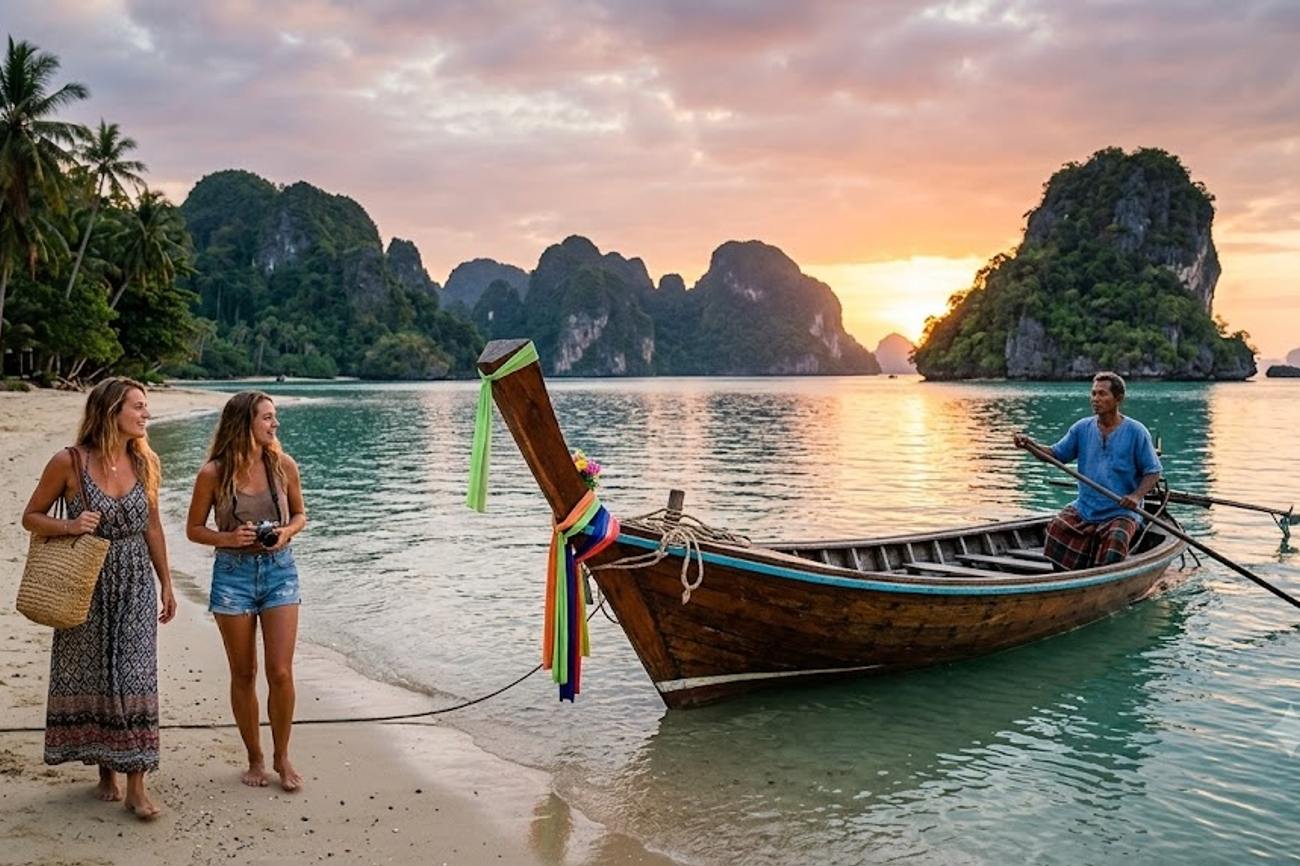
Image generated by AI
[Kuala Lumpur, May 2025] — Malaysia and Indonesia are spearheading a strategic regional tourism push to reposition Southeast Asia as a multi-destination hub, leveraging shared heritage, culinary diversity, and island geography to drive repeat international visits.
The initiative seeks to move beyond single-country itineraries, encouraging travelers to combine trips across the ASEAN bloc. This shift comes as regional data reveals a volatile but recovering market, with Thailand maintaining its lead in total arrivals while Malaysia and Vietnam show aggressive growth trajectories in specific visitor segments.
The Shift Toward Multi-Destination Travel
The primary driver for this collaboration is the evolving preference of global nomads and leisure travelers who now prioritize "slow travel" and deep cultural immersion over checklist tourism. By aligning their marketing efforts, Malaysia and Indonesia are positioning the region's food, islands, and historic sites as a singular, interconnected experience.
This strategy aims to capitalize on the high volume of repeat visitors who have already explored primary hubs like Bangkok or Bali and are now seeking secondary destinations. The focus is on creating seamless journeys that link Malaysia’s urban centers and rainforests with Indonesia's expansive archipelago, effectively extending the average length of stay for international tourists.
Regional Tourism Performance and Visitor Metrics
Data from the ASEAN Tourism Outlook and UN Tourism highlights a complex recovery pattern across the top ten destinations. While Thailand remains the volume leader, the disparity in how countries measure "arrivals" creates a nuanced statistical picture.
2024 International Tourist Arrivals (Comparative UN Data):
- Thailand: 35.5 million
- Malaysia: 25.0 million
- Vietnam: 17.5 million
- Indonesia: 13.4 million
- Singapore: 12.4 million
However, national reporting often differs from UN standards. Tourism Malaysia utilizes a broader metric that includes non-overnight visitors, reporting 37.96 million arrivals in 2024 and a projected 42.2 million for 2025. This distinction is critical for analysts, as it encompasses day-trippers and short-term border crossers who are not counted in the UN's overnight tourist figures.
Comprehensive Regional Performance Table (2024-2025):
| Rank (2024) | Destination | 2024 Arrivals | 2025 Figure | Primary Market Strength |
|---|---|---|---|---|
| 1 | Thailand | 35.5M | 32.97M | Wellness, Beaches, Gastronomy |
| 2 | Malaysia | 25.0M | 42.2M* | Heritage, Nature, Urban Hubs |
| 3 | Vietnam | 17.5M | 21.2M | Mountains, Cuisine, History |
| 4 | Indonesia | 13.4M | 15.39M | Bali, Nature, Wellness |
| 5 | Singapore | 12.4M | 16.9M | Shopping, City Breaks, Transit |
| 6 | Cambodia | 6.7M | 5.57M | Angkor Wat, Ancient Heritage |
| 7 | Philippines | 5.4M | N/A | Diving, Island Adventure |
| 8 | Laos | 3.9M | 4.58M | Slow Travel, Mekong River |
| 9 | Myanmar | 1.1M | N/A | Cultural Tourism |
| 10 | Brunei | 0.3M | N/A | Rainforests, Islamic Heritage |
*Represents broader international visitor-arrival measure.
Practical Traveler Advisory and Strategic Insights
For the modern traveler, the move toward integrated Southeast Asian tourism means a shift in how trips are booked and experienced. The "powerful reason to return" mentioned by regional authorities translates into several practical changes:
1. Diversified Itineraries Travelers are no longer limited to the "Golden Triangle" of tourism. There is an active push to move visitors from the crowded beaches of Phuket or Bali into the heritage sites of Malaysia and the mountains of Vietnam.
2. Evolving Entry and Logistics As these nations team up, there is a systemic push for better connectivity. This likely means more direct flight options between secondary cities (e.g., bypassing the need to transit through Singapore or Bangkok for every leg of a journey).
3. Niche Experience Targeting The focus has shifted from "sightseeing" to "experiencing." This includes a heavy emphasis on:
Malaysia's collaboration with Indonesia and other Southeast Asian countries is expected to boost tourism in the region, with a focus on promoting cultural heritage sites, beautiful islands, and delicious local cuisine. For more information on travel requirements and regulations, visitors can check the official website of the Malaysia Tourism Board for the latest updates. This initiative aims to showcase the diversity and richness of Southeast Asian culture, making it a top destination for repeat visitors.
- Gastronomy: Moving beyond Pad Thai to explore regional Malaysian and Indonesian street food.
- Wellness: Expanding beyond Thai massage to include Indonesian holistic wellness and nature-based retreats.
- Heritage: Connecting the Islamic architecture of Brunei and Malaysia with the Buddhist temples of Thailand and Cambodia.
The Five-Year Recovery Timeline
The trajectory from 2021 to 2025 reveals the extreme volatility of the region's aviation and tourism sectors. Thailand and Singapore saw near-total collapses in 2021, with arrivals dropping to 427,869 and 330,000 respectively, before skyrocketing in 2023 and 2024.
Vietnam's recovery has been particularly aggressive, jumping from 3.66 million in 2022 to a projected 21.2 million in 2025. Indonesia has shown a steady climb, moving from approximately 1.5 million in 2021 to 15.39 million in 2025.
The 2025 data suggests a "normalization" phase. Thailand's dip to 32.97 million from its 2024 peak of 35.5 million indicates that the post-pandemic "revenge travel" surge is leveling off, forcing destinations to compete on quality and repeat-visit value rather than just raw volume.
FAQ: Southeast Asia Travel 2025
Which country is currently the most visited in Southeast Asia? Thailand remains the leader in overnight international tourist arrivals, recording 35.5 million visitors in 2024, though 2025 figures show a slight decline to 32.97 million.
Why are Malaysia's visitor numbers higher than Thailand's in some reports? Malaysia uses a broader counting method via Tourism Malaysia that includes all international arrivals, including day-trippers. Thailand and the UN Tourism focus primarily on overnight tourists.
What are the best destinations for heritage and culture in the region? Cambodia (Angkor), Vietnam, and Malaysia are currently highlighted for their deep heritage. Thailand's Ayutthaya and Sukhothai also remain top choices for historical exploration.
How should I plan a multi-country trip based on these trends? Current trends suggest a 10-to-14 day split: starting with urban hubs (Bangkok or Kuala Lumpur), moving to cultural centers (Chiang Mai or Hoi An), and ending with island wellness (Bali or Phuket).
The era of the single-city stopover is ending as Southeast Asia integrates into a seamless, multi-nation playground.
#ASEANTourism2025 #KUL-JKT-BKK #TourismMalaysia #UNTourism #SoutheastAsiaTravel #VisitVietnam2025
Related Travel Guides
- India Travel Breakthrough as Indravati Tiger Reserve Opens New Wildlife Safari Gateway in Chhattisgarh
- American Airlines Introduces Advanced Delay Technology At Charlotte Hub To Target Rolling Flight Delays
- Syrian Airlines Accelerates International Growth With New Copenhagen And Vienna Routes To Europe
This article is for informational purposes. Flight routes, passenger regulations, visa rules, and transit advisories are subject to change by airlines and aviation authorities. Readers are advised to verify schedules and travel documentation with relevant carriers and border agencies before departure.
Related Stories

SITA Leads New Aviation Era as Smart AI, Biometrics, and Data Exchange Remove Barriers Across Global Air Travel
India Travel Breakthrough as Indravati Tiger Reserve Opens New Wildlife Safari Gateway in Chhattisgarh