India Travel Breakthrough as Indravati Tiger Reserve Opens New Wildlife Safari Gateway in Chhattisgarh

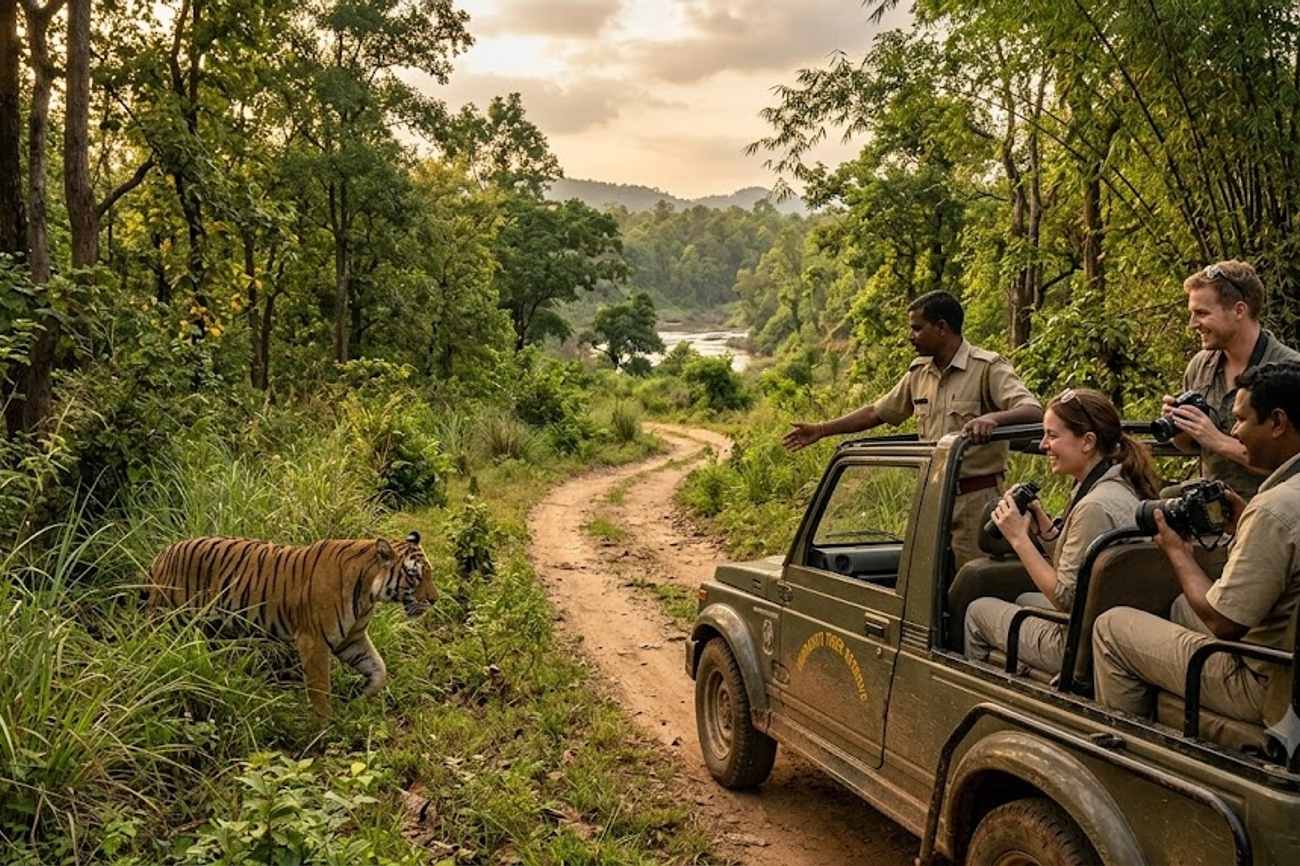
Image generated by AI
Are you looking to escape the crowds of Ranthambore or Kanha for a truly remote wilderness experience? The introduction of organized safari operations at the Indravati Tiger Reserve marks the opening of one of Central India's most secluded forest landscapes to the public.
The Opening of Indravati Tiger Reserve
Chhattisgarh is transitioning into a new phase of wildlife tourism by establishing controlled visitor access to the Indravati Tiger Reserve. Located within the Bijapur district of the Bastar region, this reserve is not a mass-tourism destination; it is a conservation-first project designed to protect biodiversity while allowing limited human entry. For years, significant portions of this wilderness remained closed due to operational hurdles and regional security concerns. The current initiative focuses on creating a sustainable model where tourism supports the local economy without compromising the habitat of the Bengal tiger.
The reserve covers approximately 2,799 square kilometres, making it one of the largest protected tiger landscapes in India. Unlike the highly commercialized parks in other states, Indravati is being positioned as a destination for the "slow traveler"—those who prioritize ecological integrity and authentic nature over guaranteed sightings. Visitors will enter a managed system of safari routes and designated zones, all overseen by forest authorities to ensure that human presence does not disrupt the natural behavior of the resident wildlife.
Route and Schedule Details
While specific daily time slots for safaris are currently being finalized by the forest department, the following framework defines the operational scope of the Indravati wildlife circuit.
| Route/Zone | Primary Focus | Vehicle Type | Access Status | Key Wildlife |
|---|---|---|---|---|
| Core Safari Zone | Tiger & Leopard Tracking | Authorized Forest Jeep | Controlled/Permit Only | Bengal Tiger, Leopard |
| Buffer Forest Trails | Biodiversity & Birding | Authorized Forest Jeep | Controlled/Permit Only | Sloth Bear, Gaur, Deer |
| Bastar Cultural Link | Indigenous Heritage | Private/Tour Operator | Open | N/A |
| Kanger Valley Connection | Caves & Ecosystems | Mixed Transport | Open | Diverse Avifauna |
Traveler Logistics Guide
Navigating the Bastar region requires a different strategy than visiting the more established tourism hubs of Rajasthan or Madhya Pradesh. Because Indravati is remote, you cannot simply show up and book a jeep at the gate.
Booking and Permits Access to the reserve is strictly regulated. You will need to monitor the official portals of the Chhattisgarh Tourism Board and the National Tiger Conservation Authority (NTCA) for the launch of the digital booking system. Expect a quota system where only a limited number of vehicles are permitted per zone per day. I recommend booking your permits at least 30 to 60 days in advance once the window opens.
Optimal Layover and Itinerary Timing Do not treat Indravati as a day trip. To maximize your chances of sightings and to account for the slow pace of travel in Bijapur, allocate at least 3 to 4 days for the reserve alone. The best time to visit is typically during the cooler, drier months (November to March) when wildlife congregates around water holes and the dense foliage thins, improving visibility.
Ground Transport and Connectivity The journey to the Bijapur district involves navigating rural roads. While you can fly into Raipur, the state capital, you will need a reliable 4x4 vehicle or a pre-arranged tour operator to reach the reserve boundaries. For those utilizing the rail network, check schedules via Indian Railways (IRCTC) for the nearest viable stations, though significant road travel will still be required to reach the forest gates.
Customs and Conduct This is a high-conservation zone. You must adhere to the following:
- Plastic-Free Entry: Strictly no single-use plastics are allowed inside the reserve.
- Silence Protocols: Noise pollution is heavily penalized to avoid stressing the animals.
- Guide Compliance: You must remain inside the vehicle at all times; venturing into the brush is a legal offense.
The Indravati Tiger Reserve in Chhattisgarh has officially launched a new wildlife safari gateway, offering tourists a unique opportunity to explore the region's rich biodiversity. For more information on the reserve and its conservation efforts, visitors can check the official website of the Ministry of Environment, Forest and Climate Change for updates on wildlife sanctuaries and national parks across India. This development is expected to boost eco-tourism in the region, creating new opportunities for local communities and conservation initiatives.
Baggage and Gear Pack lightweight, neutral-colored clothing (khaki, olive, or brown) to blend into the environment. High-quality binoculars and a telephoto lens are essential, as the vast 2,799 square kilometre area means wildlife is often spotted at a distance.
Regional Connectivity Impact
The integration of Indravati into the Chhattisgarh tourism map creates a comprehensive "Wild Bastar" circuit. Previously, travelers visited the region primarily for the Chitrakote Waterfalls or the limestone caves of Kanger Valley National Park. Now, these sites can be linked into a single, cohesive itinerary.
This shift transforms the economic geography of the Bijapur district. The demand for specialized wildlife guides and eco-lodges is expected to rise, shifting the local economy toward sustainable service industries. For the traveler, this means a more robust infrastructure of guesthouses and local transport operators who are trained in conservation ethics. By connecting the tiger reserve with the indigenous markets and handicraft centers of Bastar, the region is moving away from "stop-over" tourism toward "immersive" tourism.
FAQ: Indravati Tiger Reserve 2024-2025
Do I need a special permit to enter the reserve? Yes. Entry is not open to the general public. You must obtain a safari permit through the official forest department booking system, which regulates the number of visitors to protect the ecosystem.
How long should I plan my stay in the Bastar region? I recommend a minimum of 7 to 10 days. This allows for 3-4 days at Indravati Tiger Reserve and additional time for Kanger Valley National Park and the Chitrakote Waterfalls.
Can I book private vehicles for the safari? No. For conservation and safety reasons, only authorized forest department vehicles and certified guides are permitted to enter the core and buffer zones of the reserve.
Is there mobile connectivity inside the reserve? Expect very limited to no cellular reception once you enter the forest zones. Ensure you have offline maps and have coordinated all logistics with your lodge or guide before departure.
Prepare for a journey where the silence of the forest is the primary attraction.
Related Travel Guides
- American Airlines Introduces Advanced Delay Technology At Charlotte Hub To Target Rolling Flight Delays
- Syrian Airlines Accelerates International Growth With New Copenhagen And Vienna Routes To Europe
- Wuhan Municipal Culture and Tourism Bureau Introduces Heartbeat Weekend Passes and Digital Passports
This article is for informational purposes. Flight routes, passenger regulations, visa rules, and transit advisories are subject to change by airlines and aviation authorities. Readers are advised to verify schedules and travel documentation with relevant carriers and border agencies before departure.
Related Stories

SITA Leads New Aviation Era as Smart AI, Biometrics, and Data Exchange Remove Barriers Across Global Air Travel
Malaysia Teams Up With Indonesia and More as Food, Islands and Heritage Turn Southeast Asia Into a Repeat-Visit Favourite