Syrian Airlines Accelerates International Growth With New Copenhagen And Vienna Routes To Europe

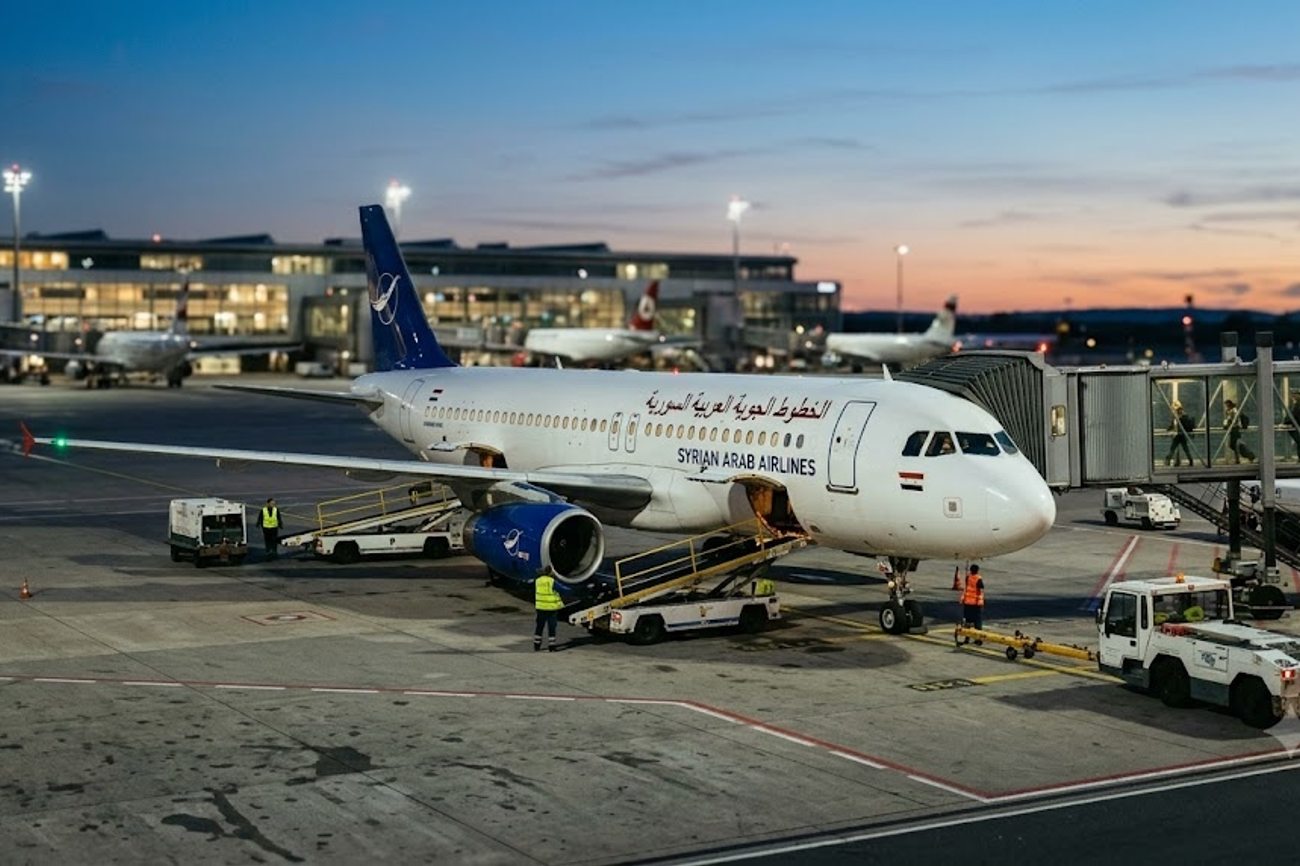
Image generated by AI
For the first time in the airline's history, Syrian Airlines is establishing a direct aerial link to Scandinavia, bypassing the grueling multi-stop itineraries that have defined travel to the Nordic region for years. This shift represents more than just a schedule update; it is a strategic attempt to dismantle the logistical barriers that have isolated the Levant from Northern and Central Europe.
The Return of the Direct Route
The aviation map of the Middle East is shifting. Starting 21 September 2026, Syrian Airlines will launch its inaugural service to Copenhagen, followed immediately by a new connection to Vienna on 22 September 2026. For those of us who have navigated the complexities of traveling into and out of Damascus, the significance of these dates cannot be overstated. Until now, a journey to Denmark or Austria typically required a series of taxing transfers through regional hubs, often adding dozens of hours to the trip and increasing the risk of luggage loss or visa complications during transit.
By integrating Copenhagen and Vienna into a network that already includes Amsterdam, the carrier is positioning itself to serve as a primary artery for the Syrian diaspora and business travelers. Copenhagen serves as the gateway to the wider Nordic territories, while Vienna functions as the historical and logistical heart of Central Europe. These are not merely destination cities; they are strategic nodes that allow passengers to penetrate deeper into Europe with far less friction.
What Makes This Connectivity Different
Traveling to Syria has long been an exercise in patience and paperwork. The traditional reliance on indirect journeys meant that travelers were at the mercy of third-country transit laws and the operational whims of multiple carriers. The introduction of nonstop flights changes the physical and psychological experience of the journey. For families carrying heavy luggage or business professionals on tight schedules, the removal of the "middle-man" airport reduces the mental load of international transit.
From a geographic perspective, these routes bridge two vastly different worlds. The leap from the arid, ancient streets of Damascus to the sleek, bicycle-centric urbanism of Copenhagen or the imperial grandeur of Vienna is a stark contrast. For the local Syrian traveler, these flights offer a direct line to some of the most stable and culturally rich capitals in the world. For the European visitor, it provides a streamlined path to a region that remains one of the most misunderstood and under-visited areas of the Mediterranean basin.
Visitor Insider Tips
Navigating the transition between these regions requires more than just a ticket. If you are planning to utilize these new routes in 2026, keep these local nuances in mind:
Timing and Logistics To avoid the peak congestion of the September launches, aim for mid-October. The weather in Copenhagen and Vienna becomes crisp and autumnal, and the initial rush of passengers reuniting with family typically subsides. When flying into Damascus, always ensure your ground transport is pre-arranged; while the airport is the primary entry point, the city's internal transport rhythms are fluid and best navigated with a trusted local driver.
Etiquette and Cultural Shifts Moving from the social, high-context culture of Syria to the more reserved, punctual nature of Denmark and Austria can be a shock. In Copenhagen, "hygge" (comfort and coziness) governs social interactions—keep your voice low in public spaces and respect the strict adherence to schedules. In Vienna, the coffee house culture is a sacred institution; do not rush your drink. In Syria, the opposite applies—hospitality is exuberant and often spontaneous.
Regional Specialties In Copenhagen, move beyond the tourist spots and try smørrebrød (open-faced sandwiches) at a local market. In Vienna, a visit to a traditional Kaffeehaus for a Sacher Torte is mandatory. Upon returning to Syria, seek out the authentic Fatteh in the old city of Damascus for breakfast—a ritual that defines the morning for locals.
Transport Hacks Once you land in Copenhagen, skip the taxis and use the Metro; it is one of the most efficient systems in the world and connects the airport to the city center in minutes. In Vienna, the Wiener Linien network is the gold standard for urban mobility. For those venturing further into Syria, the local bus networks are the heartbeat of the country, though they require a level of patience and negotiation that you won't find in Europe.
Cultural and Environmental Context
The restoration of these flight paths is not happening in a vacuum. International aviation is one of the most heavily regulated industries, and the launch of these routes requires a complex dance of regulatory approvals and operational coordination. For Syrian Airlines, this means aligning with international safety standards and securing ground handling services in foreign capitals.
There is a deeper socio-economic layer here. Air connectivity is often a precursor to economic stabilization. By easing the movement of people, these routes facilitate the flow of remittances and professional expertise back into Syria. However, this increase in mobility also places pressure on the heritage sites of Damascus and the surrounding regions. As tourism potentially increases, the challenge will be balancing the economic benefits of arrivals with the preservation of the city's ancient urban fabric.
Furthermore, the environmental impact of long-haul flights is a growing concern in both the Nordic and Central European regions. Denmark, in particular, is a global leader in green energy and carbon neutrality. The introduction of flights from regions with different environmental regulations creates a dialogue—and sometimes a tension—between the necessity of connectivity and the goal of sustainable aviation. For those visiting, utilizing public transit and supporting local, eco-conscious businesses in both the Levant and Europe is the best way to mitigate the footprint of these new journeys.
To better understand the heritage you are visiting, I recommend exploring the UNESCO World Heritage listings for both the Old City of Damascus and the historic center of Vienna, as both cities are defined by their architectural preservation. For official travel requirements and entry protocols, always consult visitdenmark.com or the official Austrian tourism portals.
FAQ: Visiting Syria and Europe 2026
What is the best time to visit Copenhagen and Vienna? Late spring (May to June) and early autumn (September to October) offer the most temperate weather and avoid the extreme winter cold or the peak summer tourist crowds.
Do I need a visa for these routes? Yes, visa requirements depend on your nationality. Syrian citizens require Schengen visas for Denmark and Austria, and European citizens must secure the appropriate entry permits for Syria. Check current embassy guidelines.
How do I get from the airports to the city centers? In Copenhagen, the Metro is the fastest option. In Vienna, the City Airport Train (CAT) or the S-Bahn provide rapid access to the city center.
Is it safe for solo travelers? Both Copenhagen and Vienna are among the safest cities globally for solo travelers. In Syria, it is highly recommended to travel with a local guide or a registered tour operator to navigate regional nuances.
The sky is finally opening, turning a grueling odyssey into a simple flight.
#Syria-Travel-2026 #Damascus-Air-Connectivity #Copenhagen-Syria-Route #Vienna-Syria-Flight #Middle-East-European-Travel
Related Travel Guides
- Wuhan Municipal Culture and Tourism Bureau Introduces Heartbeat Weekend Passes and Digital Passports
- China, India And More Countries Drive Travel AI Revolution As Millions Turn To Artificial Intelligence For Holiday Ideas
- US Tourism Websites Face New Accessibility Era as ADA Digital Rules Raise Stakes for Public Travel Platforms
This article is for informational purposes. Flight routes, passenger regulations, visa rules, and transit advisories are subject to change by airlines and aviation authorities. Readers are advised to verify schedules and travel documentation with relevant carriers and border agencies before departure.
Related Stories
SITA Leads New Aviation Era as Smart AI, Biometrics, and Data Exchange Remove Barriers Across Global Air Travel

Malaysia Teams Up With Indonesia and More as Food, Islands and Heritage Turn Southeast Asia Into a Repeat-Visit Favourite