
Lufthansa Group to Install Starlink High-Speed Wi-Fi Across 850 Aircraft by 2030
Lufthansa Group is overhauling its inflight connectivity by integrating SpaceX's Starlink across 850 aircraft, transitioning from legacy satellite systems to low Earth orbit technology for faster, reliable internet.

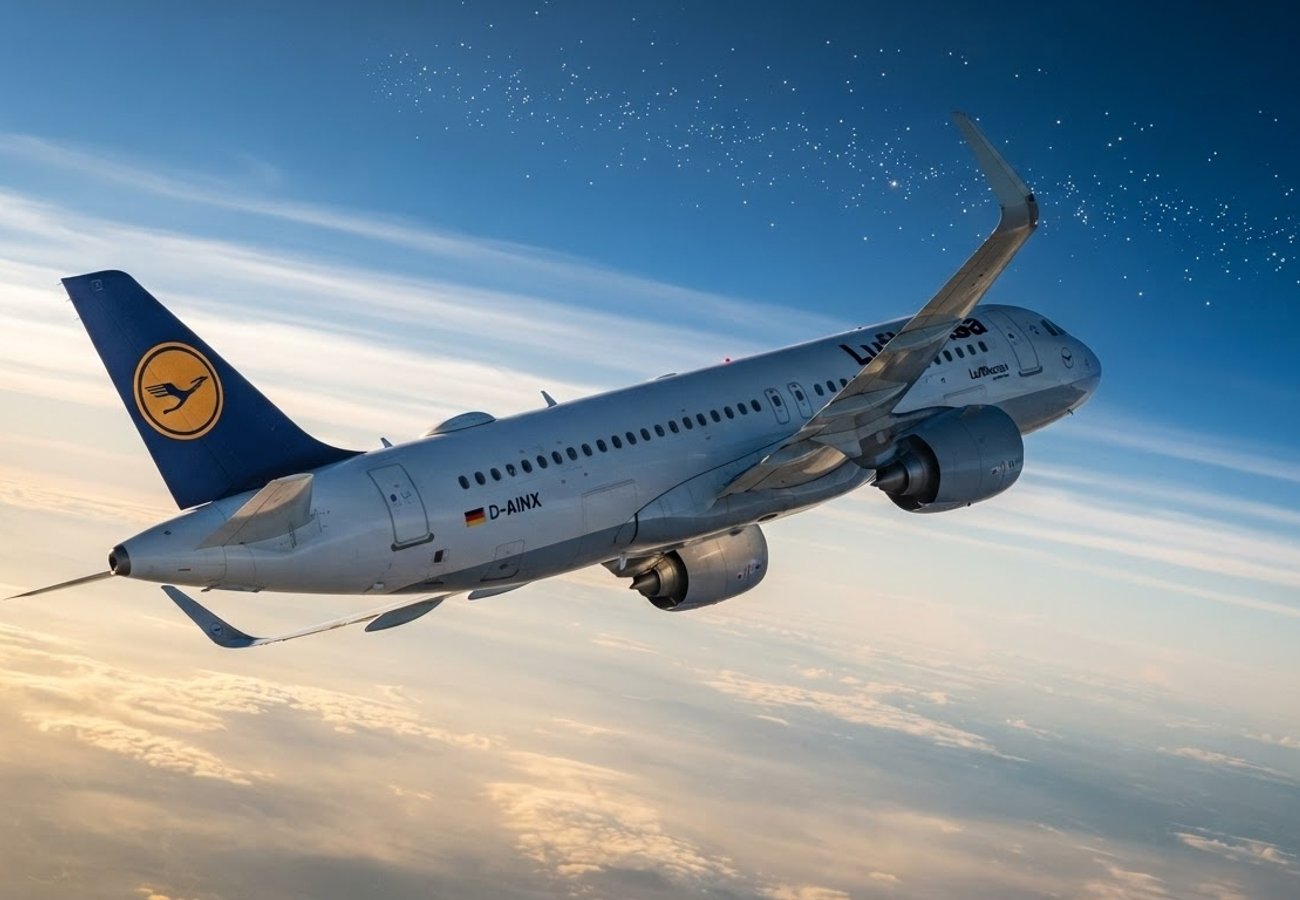
Image generated by AI
Lufthansa Group is deploying Starlink connectivity across approximately 850 aircraft to replace legacy systems with low Earth orbit (LEO) technology. This fleet-wide upgrade aims to provide broadband-level speeds across European and long-haul networks.
The strategic shift moves the group away from traditional geostationary satellites and hybrid networks, which have historically been criticized for high latency and inconsistent performance. By partnering with SpaceX, the group intends to treat high-speed internet as a core passenger requirement rather than a premium add-on.
The rollout encompasses a massive multi-brand ecosystem. The agreement covers aircraft operated by:
- Lufthansa
- Swiss
- Austrian Airlines
- Brussels Airlines
- ITA Airways
- Eurowings
- Discover Airlines
- Edelweiss Air
- Air Dolomiti
Initial deployment focuses on narrowbody aircraft. An Airbus A320neo is slated to enter commercial service with the Starlink system in mid-August 2026. This serves as the baseline for a phased transition that will eventually include widebody and regional fleets.
Fleet Integration and Technical Specifications
Unlike legacy systems, Starlink utilizes a dense constellation of satellites orbiting at significantly lower altitudes. This architecture drastically reduces latency and increases throughput.
Connectivity Performance Benchmarks
- Latency: Significantly lower response times compared to geostationary links.
- Speed: Median download speeds comparable to home broadband.
- Coverage: Consistent performance across oceans, polar regions, and remote areas.
- Capability: Supports video streaming, cloud-based professional tools, and high-bandwidth messaging.
The group aims for near-complete fleet coverage before the end of the decade. Passengers should expect a fragmented experience during this transition, as aircraft with older FlyNet systems will operate alongside newly upgraded Starlink-equipped frames.
The Shift in Passenger Experience
For years, the FlyNet-branded service was a point of friction for frequent flyers, often described as slow and poor value. The Starlink integration is designed to transform the cabin into a functional digital workspace.
From a logistical perspective, this bandwidth allows Lufthansa Group to modernize its onboard digital ecosystem. Higher capacity enables:
- Real-time updates to onboard menus and retail.
- Enhanced app integration for baggage tracking and rebooking mid-flight.
- Dynamic inflight portals with richer content.
Commercial Strategy and Competitive Positioning
Lufthansa Group is aligning its connectivity model with global trends by expanding free or bundled access. While premium tiers may exist for extreme speeds, the group is moving toward offering basic messaging and browsing at no additional charge for specific loyalty segments.
This move pressures other European and North American carriers who still rely on high per-flight fees for limited bandwidth. By harmonizing the experience across its various brands, the group ensures a seamless transition for business travelers switching between, for example, Swiss and ITA Airways.
Connectivity Rollout Summary
| Feature | Legacy FlyNet System | New Starlink System |
|---|---|---|
| Satellite Orbit | Geostationary (High Altitude) | Low Earth Orbit (LEO) |
| Primary Use Case | Text and Email | Streaming and Cloud Work |
| Latency | High / Noticeable Lag | Low / Home-like Response |
| Fleet Scope | Variable | ~850 Aircraft |
| Target Completion | N/A | Before 2030 |
Why This Matters
For the digital nomad and the corporate traveler, this is a fundamental shift in utility. Historically, "inflight Wi-Fi" was a marketing term for a throttled connection that could barely handle a Slack thread. The transition to LEO satellites means the aircraft becomes a viable remote office.
Our analysis of the route map suggests that the biggest gain will be seen on long-haul polar and oceanic routes where legacy signals often dropped. By reducing the "digital dead zone," Lufthansa is effectively removing a major pain point for high-yield business travelers. Furthermore, the move to a unified system across nine different airline brands reduces the friction of multi-leg journeys, creating a consistent UX regardless of the livery on the plane.
Industry Outlook
Expect a "connectivity arms race" among European carriers. As Lufthansa Group scales this technology, competitors will be forced to either accelerate their own LEO adoptions or risk losing the premium business segment.
In the short term, the challenge will be the retrofit process. Installing low-profile aero antennas requires aircraft downtime. We anticipate that narrowbody European routes will see the fastest improvement, while widebody long-haul retrofits will be staggered to minimize fleet disruption. By 2030, the industry standard will likely shift from "available Wi-Fi" to "guaranteed broadband."
The era of the disconnected flight is effectively ending.
Related Travel Guides
Disclaimer
This article is for informational and educational purposes only. It does not constitute legal, financial, or professional advice. While we strive to provide accurate and up-to-date information, travel policies, regulations, and conditions change rapidly. Always verify information with official sources before making travel decisions. Nomad Lawyer makes no representations about the accuracy, reliability, completeness, or suitability of the information provided. Readers should consult qualified professionals for advice specific to their circumstances. The views expressed in this article are those of the author and do not necessarily reflect the views of Nomad Lawyer.
Preeti Gunjan
Contributor & Community Manager
A passionate traveller and community builder. Preeti helps grow the Nomad Lawyer community, fostering engagement and bringing the reader experience to life.
Learn more about our team →