
Lopud Island Guide 2026: Exploring the Car-Free Haven of the Elafiti Islands near Dubrovnik
Discover the car-free serenity of Lopud Island, featuring the sandy shores of Šunj Beach and 15th-century Franciscan architecture, just a short ferry ride from Dubrovnik.

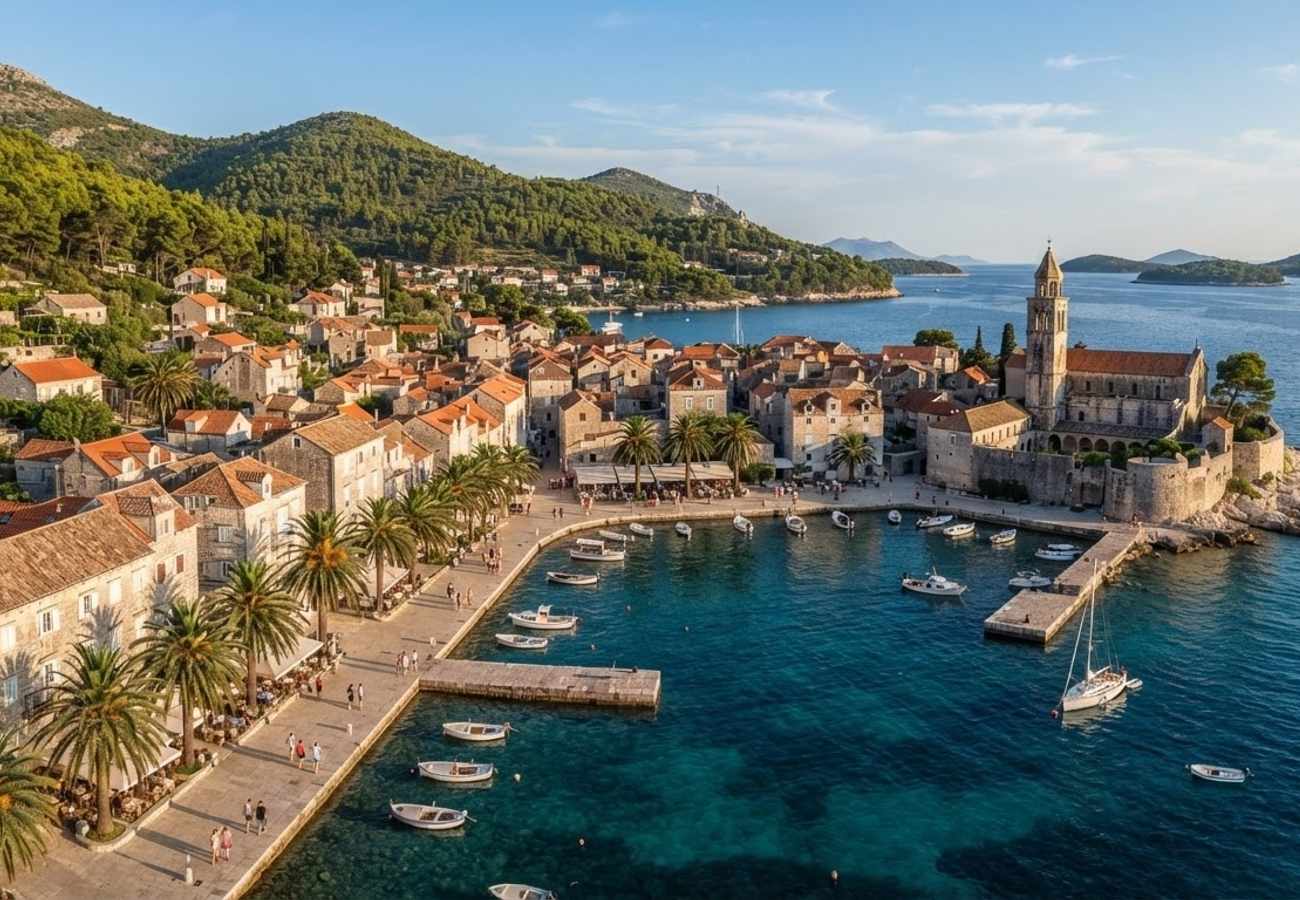
Image generated by AI
A 50-minute ferry ride from Dubrovnik transports visitors to a world where engines are replaced by the sound of gulls and the rhythmic slap of the Adriatic against stone piers.
The Shift Toward Slow Travel in the Elafiti
As Dubrovnik continues to manage the pressures of high-volume cruise tourism, savvy travelers are migrating toward the Elafiti archipelago. Lopud, the central hub of these three main islands, has emerged as a primary destination for those seeking "slow travel." The island is genuinely car-free; while a few electric buggies handle luggage and supplies, the primary mode of transport is the pedestrian stroll.
This lack of vehicular traffic transforms the sensory experience of the destination. The harbor village is a curve of terracotta roofs and palm trees, anchored by a 15th-century Franciscan monastery. For the visitor, the real impact is an immediate drop in cortisol—the frantic energy of the city walls is replaced by a barefoot culture where the most pressing decision of the day is whether to walk to the south shore or swim directly from the village promenade.
Cultural & Environmental Value
Lopud serves as a living museum of the Republic of Ragusa's maritime influence. The island's architecture—from the imposing bell tower of the Franciscan monastery to the crumbling villas hidden in the hills—reflects a history of religious and commercial prosperity.
By maintaining a car-free status, Lopud preserves its Mediterranean scrub and pine forests, preventing the urban sprawl common in other Adriatic hotspots. The local economy is built on a sustainable mix of family-run sobes (guest rooms) and small-scale agriculture. Staying in these locally managed apartments directly supports the island's residents and helps maintain the traditional stone-and-vine aesthetic of the village lanes.
Exploring the Island: From Harbor to Sand
The island is compact and highly walkable, making it accessible for all fitness levels.
Šunj Beach: The Sandy Exception
Most of the Dalmatian coast is characterized by pebbles and shale, making Šunj Beach a rare geographical treasure. Located on the southern side of the island, it is famous for its light-colored sand and exceptionally shallow waters.
- The Journey: A relaxed 20 to 30-minute walk from the village over the central ridge.
- The Experience: The water remains waist-deep for a significant distance, making it the premier family-friendly spot in the region.
- Amenities: Beach bars under pine canopies serve grilled calamari and black risotto. Sunbeds and umbrellas are available for daily rental.
Heritage Walks and Monasteries
Beyond the beach, a network of stone paths leads to the island's spiritual ruins. The Franciscan monastery at the northern harbor end remains the most striking landmark, once serving as both a religious center and a defensive fortification. Further inland, the remains of a Dominican monastery and various small chapels are scattered among rosemary and sage groves. These routes are rocky and exposed, requiring sturdy footwear rather than flip-flops.
Visitor Insider Tips
- The "Secret" Swim: While everyone flocks to Šunj, the village promenade has several small pebble strips with crystal-clear water. These are perfect for a quick morning dip before the day-trippers arrive.
- Timing Your Visit: To avoid the Dubrovnik crowds, visit during the shoulder seasons (May, June, or September). Rates for sobes are significantly lower than inside the city walls, and the paths to the ruins are more peaceful.
- Logistics: Use the Jadrolinija passenger ferries from Gruž port. Tickets are typically in the low single digits in euros.
- Financials: There is no bank on the island. While some restaurants accept cards, carry cash for small konobas (traditional taverns) and ice cream stands.
- Packing: Bring a hat and high-SPF sunscreen for the walk to Šunj, as the central ridge offers very little shade.
Tourism Outlook
Lopud is positioned to become a blueprint for sustainable island tourism in Croatia. By resisting the temptation to allow private vehicles and focusing on low-impact walking tours, the island protects its environmental integrity while offering a high-value alternative to the mainland. As the trend toward eco-conscious travel grows, Lopud’s commitment to its "car-free calm" will likely increase its appeal to high-spending, long-stay nomads and cultural tourists.
A sanctuary of salt, stone, and silence just beyond the horizon.
Related Travel Guides
Disclaimer
This article is for informational and educational purposes only. It does not constitute legal, financial, or professional advice. While we strive to provide accurate and up-to-date information, travel policies, regulations, and conditions change rapidly. Always verify information with official sources before making travel decisions. Nomad Lawyer makes no representations about the accuracy, reliability, completeness, or suitability of the information provided. Readers should consult qualified professionals for advice specific to their circumstances. The views expressed in this article are those of the author and do not necessarily reflect the views of Nomad Lawyer.
Preeti Gunjan
Contributor & Community Manager
A passionate traveller and community builder. Preeti helps grow the Nomad Lawyer community, fostering engagement and bringing the reader experience to life.
Learn more about our team →