
India's Record-Breaking Culinary Pavilion at NYC Summer Fancy Food Show 2026 Transforms Food Into Travel
India's largest-ever food exhibition presence in New York showcases how culinary tourism is reshaping travel to the subcontinent, with regional flavors and heritage dishes driving international visitor interest.

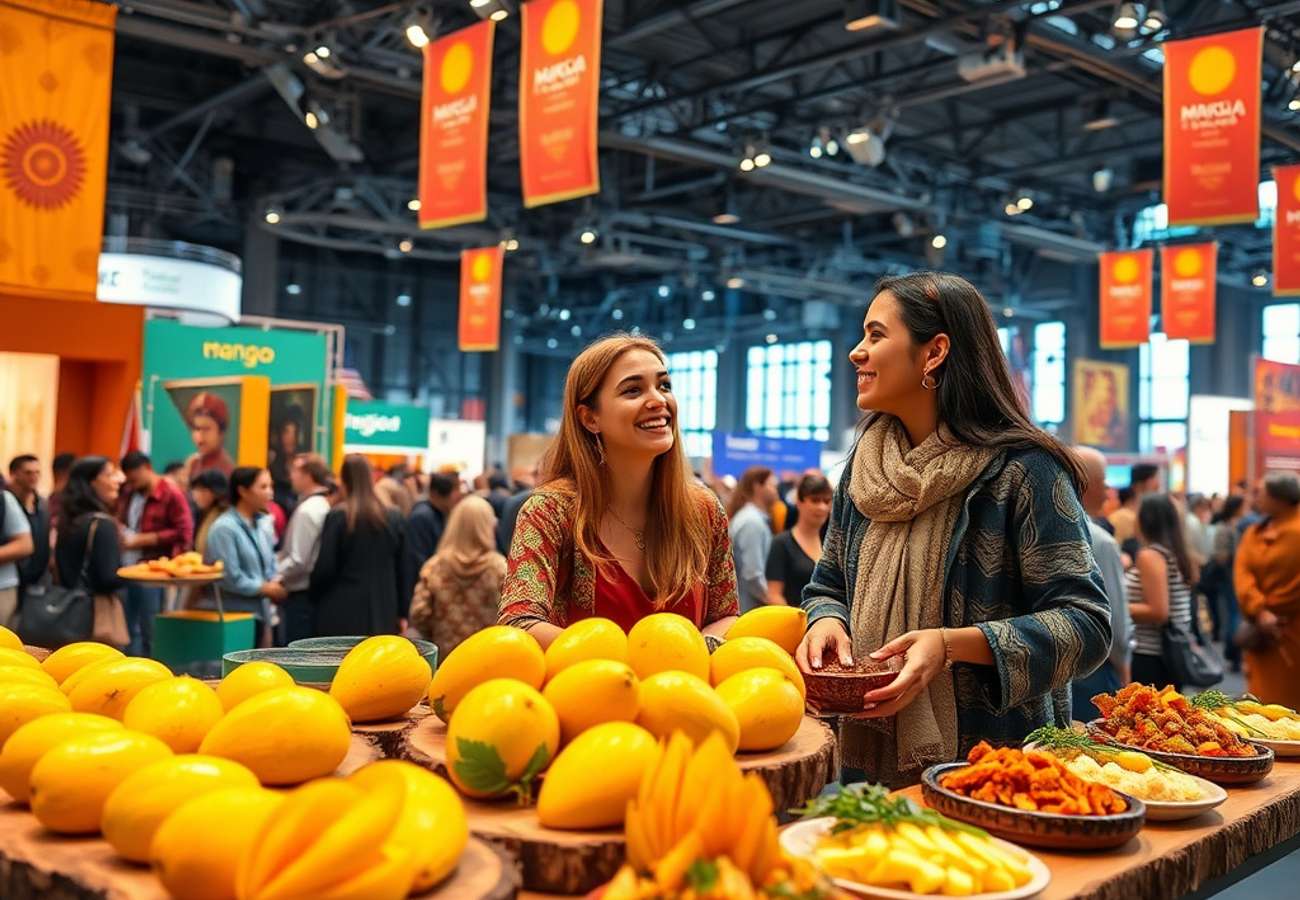
Image generated by AI
India Just Redefined How Nations Market Themselves at Global Food Expos
When Consul General of India in New York Binaya Srikanta Pradhan and world-renowned chef Vikas Khanna jointly inaugurated India's pavilion at the Summer Fancy Food Show 2026, they weren't just launching another vendor booth. They were staging a masterclass in destination marketing through cuisine—and the strategy is working.
India's largest-ever participation at North America's leading specialty food exhibition marked a decisive pivot: transforming what's traditionally been a business platform into a full-fledged culinary tourism recruitment machine. The numbers tell the story. This wasn't incremental growth. This was India's biggest footprint at the event in the show's history.
The Mango Moment That Stopped Crowds
Here's what caught my attention walking through the pavilion: a dedicated showcase of six premium export-quality mango varieties positioned front and center. Simple. Strategic. Devastating in its effectiveness.
India produces more mangoes than any other nation on earth. But the pavilion didn't just showcase fruit—it told stories. Alongside fresh specimens sat creative mango-inspired dishes that bridged traditional and contemporary Indian cooking. Each display connected international visitors to farming traditions, regional specialties, and seasonal celebrations most had never encountered.
Reddit: "Just visited the Indian pavilion. Went in for mangoes, walked out wanting to book a ticket to Delhi. The food storytelling was next level." — r/travel
Why Global Travelers Are Choosing Destinations Based on What They Eat
The data is unmistakable: culinary tourism is one of the fastest-growing segments of global travel. And India is perfectly positioned to dominate this shift. Here's why.
Every Indian state offers an entirely different culinary universe. Street food chaos in Delhi. Seafood traditions along the coasts. Royal court cuisine in Rajasthan. Aromatic spice gardens in Kerala. Seasonal fruits across different agricultural zones. A single trip can deliver multiple completely distinct food experiences—something most countries simply cannot match.
This diversity transforms casual tourists into repeat visitors. You can't exhaust India's regional food traditions in one journey. That's not a limitation. That's a retention strategy.
How a Food Exhibition Becomes a Travel Recruitment Campaign
The Summer Fancy Food Show primarily functions as a B2B platform connecting producers with global retailers and distributors. But India flipped the script entirely. Yes, businesses connected with international buyers. Simultaneously, thousands of exhibition visitors were being introduced to regional ingredients, processed foods, specialty products, and culinary traditions they'd never experienced.
Every product represented something deeper: local agricultural heritage, family traditions spanning generations, regional identity rooted in geography and climate.
Chef Vikas Khanna's presence elevated this beyond commerce. His reputation on the world stage—gained through television, restaurants, and humanitarian work—signaled that Indian cuisine belongs in conversations about global culinary excellence.
The Authenticity Advantage
What separates India's culinary tourism pitch from competitors isn't just variety. It's authenticity baked into centuries of cultural continuity.
Many destinations are known for one or two iconic dishes. India operates differently entirely. Hundreds of regional recipes passed down through generations. Distinct local cooking techniques varying from state to state. Unique links between food, festivals, and cultural traditions. Seasonal ingredients that shift year to year, region to region.
This isn't manufactured tourism content. These are living traditions where modern travelers can participate as genuine participants, not spectators.
The Domino Effect: From Exhibition to Booking
Here's how the conversion chain actually works:
International audiences encounter premium Indian products and stories at exhibitions. Curiosity sparks about origins. Travelers begin researching Indian regional cuisines online. Food blogs and Instagram feeds amplify interest. Bookings follow. Then—critically—visitors return because they couldn't possibly exhaust what the country offers culinarily.
This is why the Summer Fancy Food Show 2026 presence matters beyond simple export numbers. It plants the seed for future travelers. According to culinary tourism research, food-related travel experiences now influence destination selection for nearly 70% of international tourists.
What This Means for Local Communities and Preservation
Culinary tourism isn't just about attracting visitors. It fundamentally reshapes economics at ground level.
Mango farmers gain direct international buyer relationships. Street food vendors become cultural ambassadors. Small restaurants evolve into destination attractions. Artisans preserving traditional recipes find market value in their heritage. Women in rural communities operating home-based spice businesses access global distribution networks.
When international visitors specifically seek out a region because of its food traditions, local economies respond. The incentive to preserve heritage recipes, maintain seed diversity, and sustain traditional farming methods suddenly becomes economically rational—not just culturally important.
This is sustainable tourism development built on genuine cultural exchange rather than extraction.
The Ripple Effect on US Travel Awareness
For followers of latest US travel news, India's record exhibition presence signals something broader: international food events increasingly influence American travel choices. Food-centric tourism is no longer niche. It's mainstream.
American travelers are increasingly seeking cooking demonstrations in India. Booking mango harvest season visits. Joining traditional kitchen apprenticeships. Exploring regional food markets as primary activities, not side excursions. The World Tourism Organization reports that culinary tourism creates longer stays and higher per-visitor spending than conventional tourism.
Key Indicators from the Summer Fancy Food Show 2026
- Largest pavilion in India's event history at the Summer Fancy Food Show
- Six premium mango varieties showcased as flagship product category
- Joint inauguration by Consul General Pradhan and Chef Vikas Khanna signaling diplomatic-cultural alignment
- Regional ingredient storytelling integrated throughout exhibition
- Global buyer connections established across specialty food sectors
The Bigger Picture: Food as Geopolitical Soft Power
What India demonstrated in New York extends beyond tourism marketing. Culinary heritage is becoming a legitimate soft power tool—a way nations reshape international perception and build cultural influence without political friction.
By positioning food as the entry point to India—rather than traditional monuments or religious sites—the country is widening its appeal. Food transcends language barriers, political disagreements, and cultural unfamiliarity. Everyone eats. Everyone has food memories. Everyone can connect through cuisine.
India's record-breaking pavilion at the Summer Fancy Food Show 2026 proves that strategic culinary tourism positioning drives measurable travel behavior change. As international audiences continue seeking authentic experiences over passive sightseeing, food-centered destination marketing will only accelerate.
The country that tells its culinary story most compellingly doesn't just attract more visitors. It attracts better visitors—those seeking genuine cultural immersion and willing to invest time and resources to achieve it.
India just showed the world that the fastest path to a traveler's itinerary runs straight through the kitchen.
Related Travel Guides
Disclaimer
This article is for informational and educational purposes only. It does not constitute legal, financial, or professional advice. While we strive to provide accurate and up-to-date information, travel policies, regulations, and conditions change rapidly. Always verify information with official sources before making travel decisions. Nomad Lawyer makes no representations about the accuracy, reliability, completeness, or suitability of the information provided. Readers should consult qualified professionals for advice specific to their circumstances. The views expressed in this article are those of the author and do not necessarily reflect the views of Nomad Lawyer.
Raushan Kumar
Founder & Lead Developer
Full-stack developer with 11+ years of experience and a passionate traveller. Raushan built Nomad Lawyer from the ground up with a vision to create the best travel and law experience on the web.
Learn more about our team →