
Khorfakkan Port Mega Expansion Fuels UAE Coastal Tourism
Sharjah's Khorfakkan Port undergoes a mega expansion targeting a capacity of 10 million containers by 2030, boosting cruise and coastal tourism.
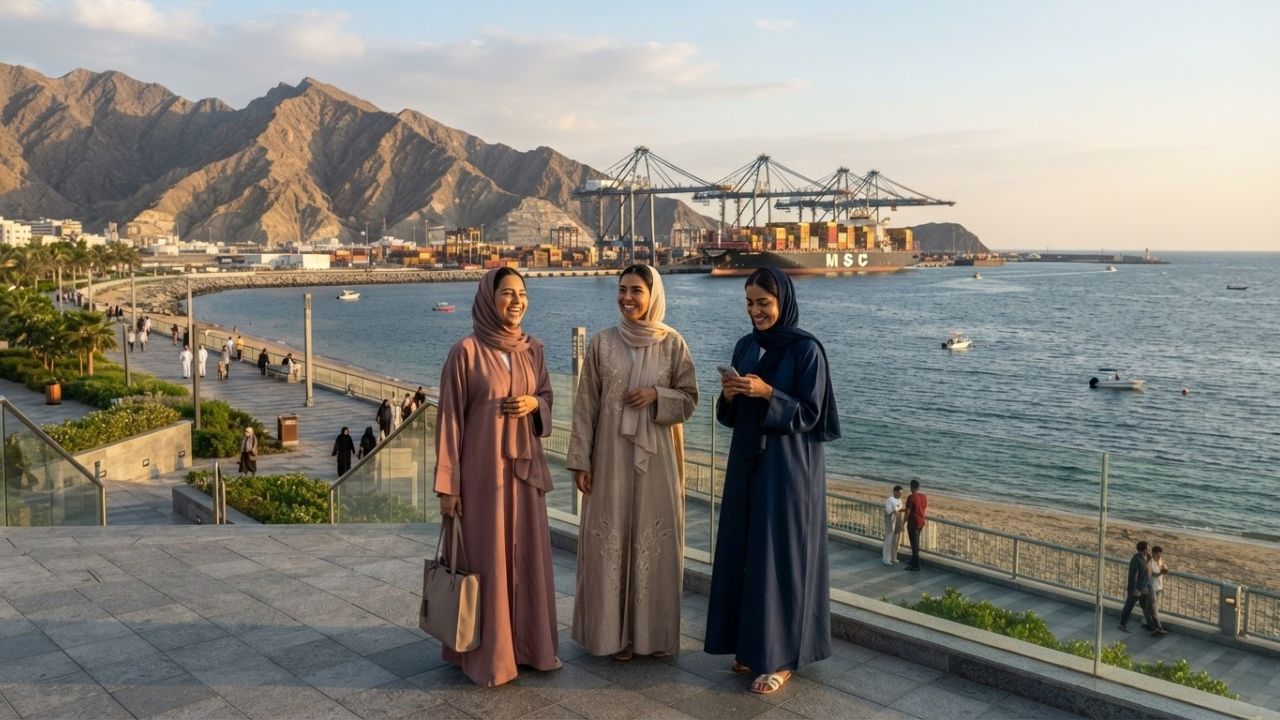
Image generated by AI
Sharjah’s eastern enclave of Khorfakkan is set for a tourism transformation as a mega-expansion of Khorfakkan Port targets a container capacity of 10 million by 2030. This infrastructure development will strengthen the UAE’s maritime connectivity while catalyzing cruise tourism, resort investments, and experiential outdoor travel along the Gulf of Oman coastline.
The Maritime Transformation of Sharjah’s East Coast
The transport and logistics sectors in the Arabian Peninsula are experiencing a transition as hubs build capacity to support global trade. Khorfakkan Port, located on Sharjah's eastern coast along the Gulf of Oman, is undergoing a major expansion project managed by regional port authorities. The project aims to increase the port's transit capacity to 10 million containers by 2030, enhancing Sharjah's international trade connections and economic competitiveness.
This maritime integration is also proving beneficial for the regional economy, as it allows local companies to import and export goods more efficiently. With the rise of business partnerships between companies in the UAE and international markets, having a robust container port supports regular trade exchanges, logistics collaborations, and transport investments. This commercial integration ensures that the region remains competitive on a global scale.
While the primary focus of the port expansion is to support global shipping and logistics, the project also has implications for the regional tourism economy. By upgrading maritime infrastructure, the development will help transition Khorfakkan from a commercial trade hub into a dual-purpose maritime gateway. This transition will support the growth of cruise tourism, coastal developments, and premium visitor services, introducing Sharjah's eastern coast to international travelers.
Khorfakkan's unique geographic position allows it to combine a major maritime gateway with dramatic natural landscapes. The enclave features a rare combination of the rugged Hajar Mountains and pristine sandy beaches, offering a distinct identity compared to the urban centers of the western coast. As the port connects with global shipping lines, Khorfakkan is positioned to become a prominent nature and heritage tourism destination in the UAE.
The Cruise Tourism Wave on the Eastern Coast
One of the most significant travel trends linked to the port expansion is the development of cruise tourism along the UAE's eastern coastline. The upgraded port facilities will allow Khorfakkan to welcome larger international cruise vessels and handle higher passenger volumes.
These cruise networks are managed in coordination with regional tour operators who design shore excursions to highlight local heritage and natural beauty. By utilizing these organized tour programs, visitors can explore the region safely and efficiently, maximizing their time in port. This structured approach helps build traveler confidence, ensuring that international visitors receive a high-quality educational experience.
Cruise lines are increasingly looking for destinations that offer cultural heritage, outdoor adventure, and nature-inclusive experiences within a single shore excursion. Khorfakkan matches these preferences by offering travelers direct access to the sea and the mountains. Arriving cruise tourists can explore:
- Mountain Hikes: Guided treks through the valleys of the Hajar range.
- Water Activities: Snorkeling and diving near marine wildlife sanctuaries.
- Cultural Sites: Preserved heritage villages and historic mountain forts.
- Local Markets: Traditional souqs offering regional crafts and spices.
The growth of the cruise sector supports the local economy by generating demand for regional tour operators, transport providers, restaurants, and small business owners.
Geography as a Natural Tourism Advantage
Khorfakkan stands out in the regional travel market due to its unique geography, where the Hajar Mountains meet the waters of the Gulf of Oman. This natural contrast allows visitors to experience different outdoor activities in a single destination.
This dramatic terrain also supports a variety of outdoor events and sports competitions, which attract athletes and adventure seekers from around the world. By hosting mountain races, kayak regattas, and diving festivals, the city raises its profile as a leading destination for active travel. These events encourage travelers to explore the region's diverse ecosystems, supporting environmental conservation efforts.
The city has built its travel appeal around nature and adventure, attracting domestic weekend travelers and international tourists. The Hajar Mountains provide opportunities for scenic driving, valley trekking, and mountain biking, while the coastal waters support diving, sailing, and water sports. The presence of marine conservation areas near the eastern coast supports wildlife tourism, including turtle watching and reef diving.
Improved regional connectivity through the expanded port and highway networks will allow more international travelers to access these natural areas, supporting Sharjah's goal of developing sustainable tourism corridors.
Stimulating Hospitality Investment and Local Economies
Large-scale infrastructure projects like the Khorfakkan Port expansion frequently encourage investment in supporting services. As the city strengthens its role as a maritime hub, regional developers are investing in the hospitality sector to accommodate visitor growth.
Tourism development projects include:
- Hotels and Resorts: Constructing luxury coastal resorts and mountain retreats.
- Dining Establishments: Expanding local cafes and traditional restaurants.
- Recreational Facilities: Developing adventure parks and mountain trails.
- Transport Networks: Upgrading regional shuttle services and car hire facilities.
This investment helps create a complete tourism ecosystem, encouraging travelers to extend their stays beyond day trips. A stronger visitor economy supports local communities by creating jobs in hospitality, transport, and retail, allowing residents to benefit directly from regional growth.
Visitor Guide: Heritage Villages, Kayaking, and Seafood Dining
Navigating Khorfakkan involves exploring historic settlements, kayaking on mountain lakes, and tasting local culinary specialties. By coordinating details in advance, travelers can ensure a trip.
Sample authentic local culinary specialties during your visit. Order Machboos, a traditional rice dish prepared with aromatic spices, dried lime (loomi), and fresh locally caught kingfish or hammour. Try Luqaimat, sweet, crispy dough balls drizzled with rich date syrup, and enjoy local dates served with traditional Arabic coffee (Gahwa) at local cafes near the beach.
Explore the Najd Al Maqsar Heritage Village, a restored mountain settlement located in Wadi Shie. Walk through the traditional stone and mud houses and climb the trail to the 300-year-old fort at the summit of the mountain for panoramic views of the valley. Visit the onsite restaurant to experience traditional dishes cooked over open fires.
Experience kayaking at Al Rafisah Dam in the Hajar Mountains. The dam is open daily from 7:00 AM to 9:00 PM and offers single or double kayaks, pedal boats, and donut boats for hire. Swimming in the reservoir is strictly prohibited. Observe safety guidelines by wearing the provided life jackets at all times.
Travel to Khorfakkan via the modern Route S142 Highway (Khorfakkan Road) from Sharjah city. The fully paved road passes through five tunnels carved through the Hajar Mountains, reducing the travel time across the desert to approximately 45 minutes. Ensure your vehicle has a full tank of fuel before departing, and follow speed limits through the mountain tunnels.
Future Outlook: Rebuilding Sustainable Maritime Corridors
The future of tourism in Sharjah depends on balancing economic growth with environmental conservation. The Sharjah Commerce and Tourism Development Authority (SCTDA) and regional port operators are implementing policies to manage the environmental impact of cruise tourism and shipping.
Sustainable initiatives include establishing marine protection zones around Shark Island to protect coral reefs, implementing eco-friendly waste management protocols for docked cruise vessels, and upgrading public transport fleets with low-emission vehicles. By integrating conservation programs with modern infrastructure development, Sharjah aims to protect its eastern coast, securing a sustainable future for Khorfakkan's tourism economy.
Related Travel Guides
Disclaimer
This article is for informational and educational purposes only. It does not constitute legal, financial, or professional advice. While we strive to provide accurate and up-to-date information, travel policies, regulations, and conditions change rapidly. Always verify information with official sources before making travel decisions. Nomad Lawyer makes no representations about the accuracy, reliability, completeness, or suitability of the information provided. Readers should consult qualified professionals for advice specific to their circumstances. The views expressed in this article are those of the author and do not necessarily reflect the views of Nomad Lawyer.