
Japan's Inbound Tourism Diversifies as Global Visitors Offset Chinese Decline
Japan's inbound tourism is entering a new phase of growth, with rising visitor numbers from South Korea, Taiwan, Southeast Asia, Europe, and the US offsetting a sharp decline in Chinese arrivals.

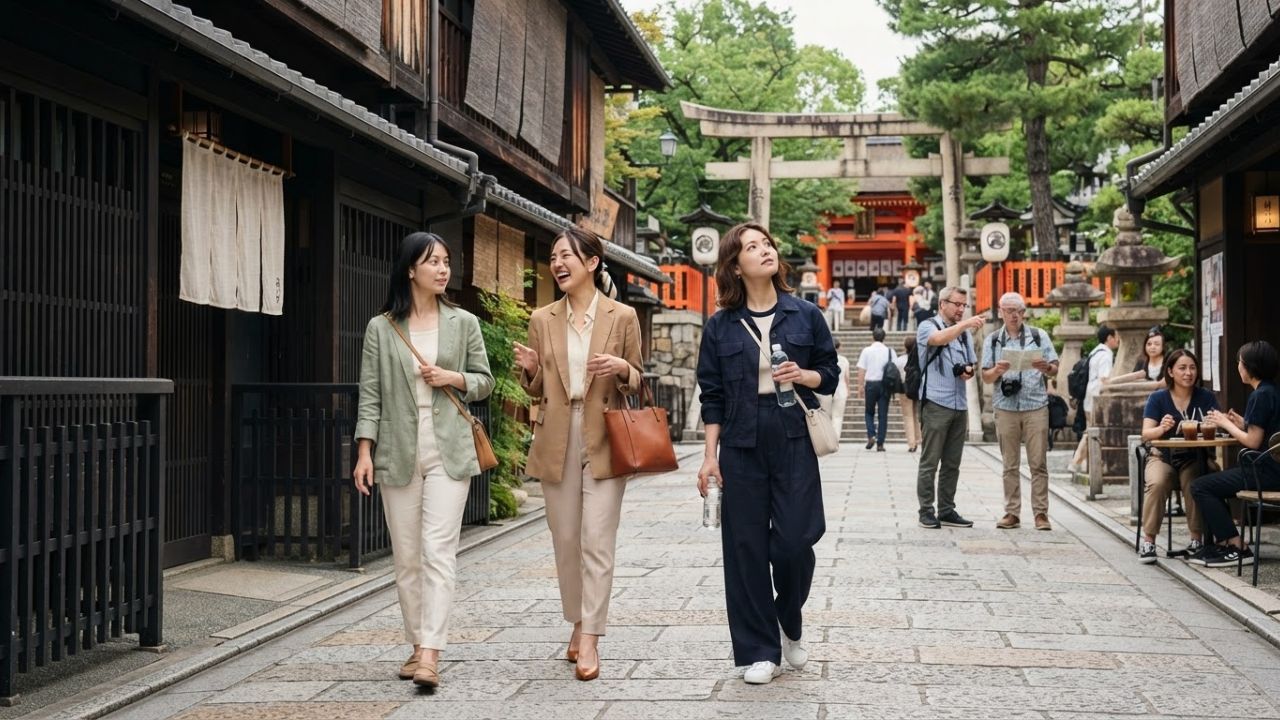
Image generated by AI
Welcoming a record 21.08 million international visitors in the first half of the year, Japan's tourism sector is successfully shifting its reliance away from China. A historically weak yen and surging interest from South Korea, Taiwan, Europe, and the United States have generated a historic 4.85 trillion yen in foreign visitor spending.
Restructuring the Inbound Travel Sector
Japan’s inbound tourism market is undergoing a major structural transformation as it transitions away from its historical reliance on Chinese travelers. In the first half of the year, arrivals from China recorded a sharp decline, creating business challenges for lodging facilities and retail operators that had previously optimized their services for Chinese tour groups. This decline was primarily driven by worsening diplomatic relations, with travel sentiment negatively affected after China issued travel guidance discouraging visits to Japan following political remarks concerning the Taiwan Strait.
The shift has prompted local tour operators and travel agencies to modify their promotional strategies. Rather than coordinating large bus excursions for mass shopping events, regional planners are designing small-group tours that focus on cultural exploration, agricultural tourism, and outdoor activities to appeal to diverse visitor tastes. Despite the steep fall in Chinese arrivals, the overall tourism industry has shown remarkable resilience. The country welcomed an estimated 21.08 million international visitors between January and June, representing only a minor decline compared with the record-breaking inbound figures achieved during the same period a year earlier. This stability indicates that Japan’s strategic pivot to attract travelers from a broader range of global source markets is succeeding, creating a more balanced and sustainable foundation for the inbound travel economy.
The Weak Yen and Surging Western and Asian Arrivals
The growth of Japan's inbound travel sector is heavily supported by the historically weak yen, which has made lodging, dining, shopping, and regional tours significantly more affordable for overseas visitors. International travelers spent a record 4.85 trillion yen on tourism-related activities during the first six months of the year. This spending milestone demonstrates that the country is attracting high-value visitors who stay longer and spend more in local communities, offsetting the loss of Chinese group tour consumption.
South Korea and Taiwan have emerged as the leading contributors to inbound travel volume, while Southeast Asian countries, Europe, and the United States have also shown steady visitor growth. By cultivating these diverse visitor channels, regional destination managers are reducing their exposure to geopolitical risks associated with any single market. This diversification strategy helps stabilize local economies, ensuring that regional attractions receive a consistent flow of international travelers throughout the year.
Distributing Tourist Footprint to Regional Attractions
The changing visitor demographics are also reshaping travel patterns within Japan, with international tourists increasingly exploring regional destinations outside major urban centers like Tokyo and Kyoto. In southwestern Japan’s Fukuoka Prefecture, the historic Dazaifu Tenmangu shrine continues to draw millions of domestic and international visitors. The shrine, dedicated to Sugawara no Michizane, the deity of learning, has seen a significant influx of travelers coming from South Korea and Taiwan, who arrive via regional ferries and flights.
The shrine itself is surrounded by over 6,000 plum trees (ume), which bloom spectacularly in late winter, drawing crowds who come to experience the historical links between the deity Sugawara no Michizane and nature. Local volunteers and English-speaking guides have stepped up their presence around the shrine's three arched bridges, which represent the past, present, and future, helping international visitors understand the complex Shinto belief system. This regional dispersion is essential for distributing the economic benefits of tourism beyond the golden route of Tokyo, Mt. Fuji, and Kyoto. For municipal authorities in Fukuoka and other regional prefectures, maintaining consistent international aviation and maritime routes is vital. By promoting cultural heritage sites, scenic landscapes, and local culinary experiences, regional communities can capture a larger share of the record 4.85 trillion yen foreign tourist spend, supporting local artisans, family-owned restaurants, and community conservation projects.
Outbound Tourism Constraints and the Domestic Challenge
While inbound tourism continues to experience record-breaking growth, outbound travel by Japanese citizens remains significantly constrained, raising concerns for international airlines and regional airports. Outbound travel dropped sharply during the pandemic and has been slow to recover, reaching only 14.73 million trips in 2025 compared with more than 20 million outbound trips recorded in 2019. In the first half of the current year, outbound travel stood at 6.94 million trips, with forecasts suggesting further weakness during the peak summer holiday season.
This weakness in outbound demand is driven by several economic factors, including rising household costs, the weak yen, and higher fuel surcharges on international flights, which make overseas holidays prohibitively expensive for many Japanese families. In response, the Japanese government is taking steps to encourage outbound travel, including lowering passport application fees. However, a prolonged decline in outbound travelers could lead international airlines to reduce flight frequencies or suspend routes, particularly at regional airports that depend on balanced two-way travel demand to maintain commercial viability.
Visitor Guide: Cultural Etiquette, Regional Dining, and Insider Tips
For travelers planning a journey to Japan, the shifting tourism dynamics offer an opportunity to experience regional cultural centers like Fukuoka and Dazaifu. Visiting these destinations requires understanding local protocols, seasonal timing, and regional dining specialties.
When visiting the Dazaifu Tenmangu shrine, travelers should try to arrive early in the morning, around 8:00 AM, to enjoy the historic gardens and bridges before tour buses arrive. Before entering the shrine through the torii gate, visitors should bow once. At the temizuya water pavilion, perform the purification ritual by rinsing your left hand, then your right hand, rinsing your mouth using water from your left hand, and tilting the ladle to clean the handle before putting it back. When offering prayers at the main sanctuary, toss a coin into the wooden box, bow deeply twice, clap your hands twice, offer a quiet prayer, and finish with a final deep bow.
Right outside the shrine along the approach, visitors must try Umegae Mochi, a local specialty of grilled rice cakes filled with sweet red bean paste and stamped with a plum blossom pattern. Kasanoya is a highly recommended vendor where travelers can watch the mochi being grilled fresh. For a hearty meal, head to Fukuoka's Hakata district, the birthplace of Hakata ramen, famous for its rich tonkotsu pork bone broth and thin noodles. Local dining etiquette includes specifying noodle firmness when ordering and requesting kaedama—a noodle refill—once you finish your first portion, provided you still have broth left.
Long-Term Outlook: Establishing a Resilient and Balanced Travel Economy
The transition toward a diversified inbound market represents a fundamental shift in Japan's global travel strategy. By shifting from reliance on a single dominant market to a broad base of visitors from South Korea, Taiwan, Southeast Asia, Europe, and the United States, Japan is building a more resilient tourism model that can withstand diplomatic shifts and economic fluctuations.
Ultimately, the long-term success of Japan's tourism industry will depend on balancing inbound visitor growth with the revival of outbound travel and the management of regional infrastructure. While the decline in Chinese visitors presents short-term challenges for specific retail sectors, the record visitor spending and the growth of regional destinations show that Japan's global tourism appeal remains exceptionally strong, paving the way for a more sustainable and economically balanced future.
Related Travel Guides
Disclaimer
This article is for informational and educational purposes only. It does not constitute legal, financial, or professional advice. While we strive to provide accurate and up-to-date information, travel policies, regulations, and conditions change rapidly. Always verify information with official sources before making travel decisions. Nomad Lawyer makes no representations about the accuracy, reliability, completeness, or suitability of the information provided. Readers should consult qualified professionals for advice specific to their circumstances. The views expressed in this article are those of the author and do not necessarily reflect the views of Nomad Lawyer.
Naina Thakur
Contributor & Travel Specialist
Travel enthusiast and legal writer covering visa regulations, responsible tourism, and cultural journeys across global destinations.
Learn more about our team →