
Italy Follows Others as Rome Esquilino Joins Europe’s Coolest Neighbourhoods for Authentic Travel Experiences
Italy Follows Others as Rome Esquilino Joins Europe’s Coolest Neighbourhoods for Authentic Travel Experiences

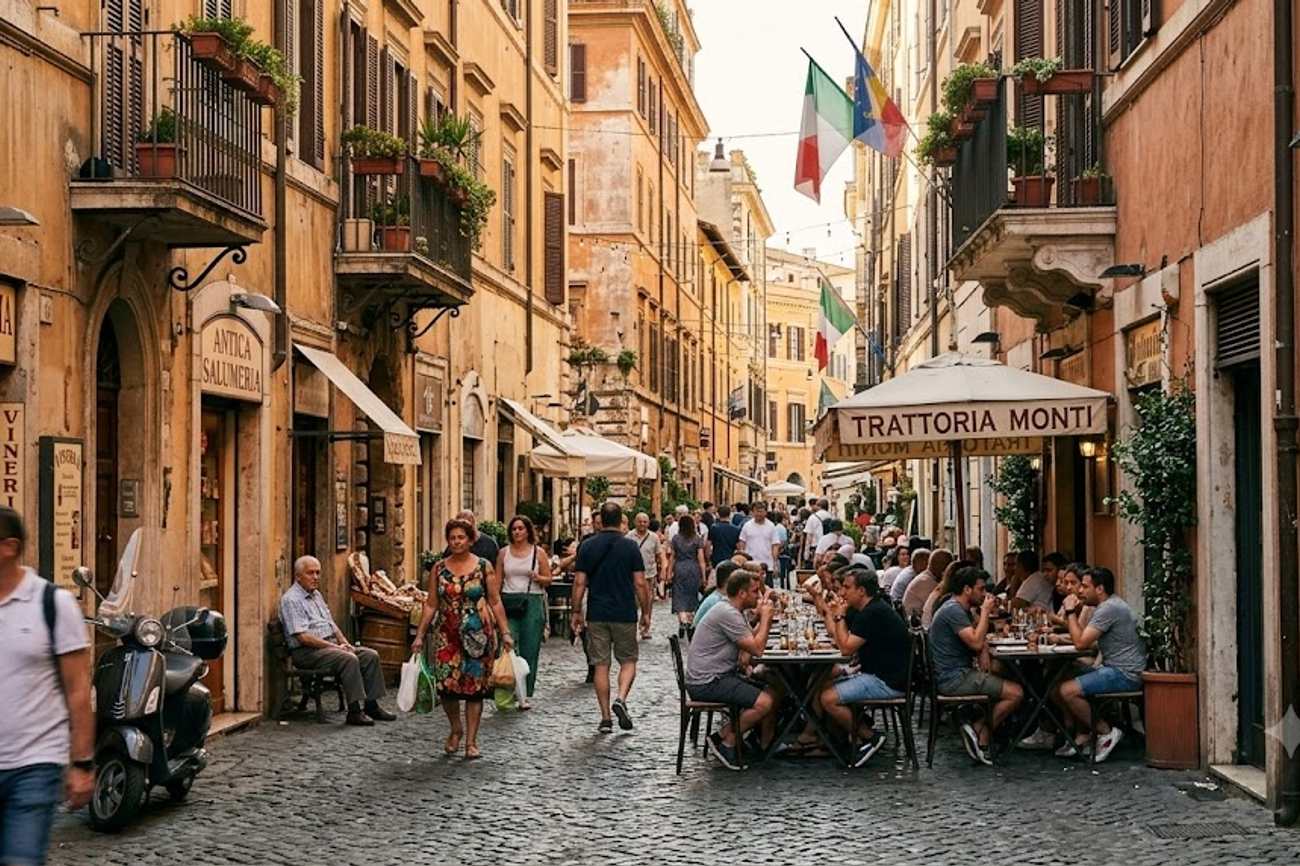
Image generated by AI
[Rome, October 2023] — Rome is aggressively pivoting its tourism strategy toward "authentic travel" as the Esquilino district joins an elite group of Europe’s most coveted neighborhoods for immersive visitor experiences. This shift signals a systemic move away from traditional landmark-centric tourism toward a model that prioritizes local districts, independent businesses, and community-driven cultural hubs.
The movement, which is gaining momentum ahead of the 2026 travel cycle, sees Rome joining other major European capitals in promoting specific urban quarters to redistribute visitor traffic. While traditional monuments remain draws, the Italian National Tourist Board and local authorities are now positioning Rione Esquilino as a primary destination for travelers seeking a connection to the city's living identity rather than its static history.
The Shift Toward Neighborhood Tourism
The catalyst for this change is a documented evolution in traveler preferences across the European continent. Visitors are increasingly bypassing "tourist traps" in favor of creative districts and residential areas that offer a glimpse into the everyday identity of a city. This trend is not limited to Italy; it is a coordinated shift across several European hubs aiming to diversify their tourism portfolios.
By elevating specific neighborhoods, cities are attempting to solve the chronic issue of over-tourism in city centers. By directing foot traffic toward districts like Esquilino, Athens’ Neos Kosmos, and Glasgow’s Govanhill, municipalities can spread economic benefits across a wider urban footprint and encourage longer average stays.
Markets and Districts Impacted
The following table outlines the specific European neighborhoods currently leading this transition toward authentic, community-based tourism:
| Destination | Featured Neighborhood | Country | Primary Tourism Driver |
|---|---|---|---|
| Rome | Esquilino | Italy | Multiculturalism, international food, modern creativity |
| Athens | Neos Kosmos | Greece | Creative spaces, independent cafés, modern arts |
| Glasgow | Govanhill | UK | Cultural diversity, community identity, independent shops |
| Valencia | Russafa | Spain | Local lifestyle, creative atmosphere |
In Rome, the focus is specifically on Rione Esquilino. Located near the Termini station and one of the city's historic hills, the area is being marketed for its unique blend of archaeological remains and a globalized culinary scene. The promotion centers on Piazza Vittorio, which serves as the social anchor for the district, and the neighborhood's diverse markets that contrast with the standardized shopping experiences found in the city center.
What This Means for Travelers
For the modern traveler, this shift translates to a change in how trips are planned and executed. The "checklist" style of tourism—visiting the Colosseum, the Vatican, and the Trevi Fountain in a single day—is being replaced by "slow travel" itineraries.
Direct impacts include:
- Accommodation Shifts: Travelers are moving away from large hotel chains in the historic center and toward boutique guesthouses, Airbnbs, and independent hostels located within these featured neighborhoods.
- Dining Patterns: There is a marked increase in demand for authentic, neighborhood-specific eateries over tourist-oriented restaurants. In Esquilino, this means a focus on international cuisine and traditional Italian trattorias that serve locals.
- Itinerary Planning: Travelers are now allocating entire days to a single district, focusing on "micro-explorations" of local markets, street art, and community centers.
- Spending Habits: Capital is flowing toward independent artisans and small-scale hospitality businesses rather than global retail brands.
The 2026 Urban Tourism Roadmap
Looking toward 2026, this neighborhood-centric model is expected to become the standard for European urban travel. The European Travel Commission and various national tourism boards are likely to further integrate these "authentic zones" into official city maps and digital guides.
In Athens, the Neos Kosmos district is already serving as a blueprint for this evolution. By blending modern creative institutions with traditional Athenian life, the city is successfully attracting a demographic that values immersive experiences over sightseeing. Similarly, Glasgow is leveraging the cultural diversity of Govanhill to position the city as a hub for social and creative tourism.
The long-term goal for these cities is the creation of a sustainable tourism ecosystem. By promoting areas like Esquilino, Rome can reduce the pressure on its most fragile archaeological sites while providing visitors with a more honest representation of the city's multicultural current state.
FAQ: European Neighborhood Tourism 2026
What is "authentic travel" in the context of European cities? It is a travel philosophy that prioritizes immersive experiences in local residential districts over visiting famous monuments. It focuses on connecting with residents, supporting independent businesses, and experiencing the daily rhythm of a city.
Why is Rome promoting the Esquilino district specifically? Esquilino offers a unique intersection of ancient Roman heritage and modern multiculturalism. Its proximity to Termini station makes it accessible, while its diverse food scene and community spaces like Piazza Vittorio provide a non-traditional Roman experience.
How does neighborhood tourism benefit the local community? It redistributes tourist spending away from a few concentrated landmarks and into the hands of local shopkeepers, café owners, and artisans in residential areas, promoting a more equitable economic impact.
Will traditional landmarks still be the main focus of travel in 2026? While landmarks will remain significant, they will likely function as complements to neighborhood exploration rather than the sole purpose of the trip. The trend is toward a balanced itinerary of "famous sights" and "local secrets."
The era of the tourist checklist is ending; the era of the urban explorer has arrived.
#Rome2026 #Esquilino #NeosKosmos #Govanhill #UrbanTourism #AuthenticTravel
Related Travel Guides
- China Enhances Chongqing Tourism Experience With New Thai Language Metro Support for Visitors
- United Kingdom Aligns With Netherlands And More Destinations As New Tourist Taxes Increase Accommodation Charges Across England And Amsterdam
- Jordan Tourism Revenue Climbs Over Seventeen Percent as Travellers Discover Strong Growth and New Experiences Across the Kingdom
Disclaimer
This article is for informational and educational purposes only. It does not constitute legal, financial, or professional advice. While we strive to provide accurate and up-to-date information, travel policies, regulations, and conditions change rapidly. Always verify information with official sources before making travel decisions. Nomad Lawyer makes no representations about the accuracy, reliability, completeness, or suitability of the information provided. Readers should consult qualified professionals for advice specific to their circumstances. The views expressed in this article are those of the author and do not necessarily reflect the views of Nomad Lawyer.
Naina Thakur
Contributor & Travel Specialist
Travel enthusiast and legal writer covering visa regulations, responsible tourism, and cultural journeys across global destinations.
Learn more about our team →