
Jordan Tourism Revenue Climbs Over Seventeen Percent as Travellers Discover Strong Growth and New Experiences Across the Kingdom
Jordan Tourism Revenue Climbs Over Seventeen Percent as Travellers Discover Strong Growth and New Experiences Across the Kingdom

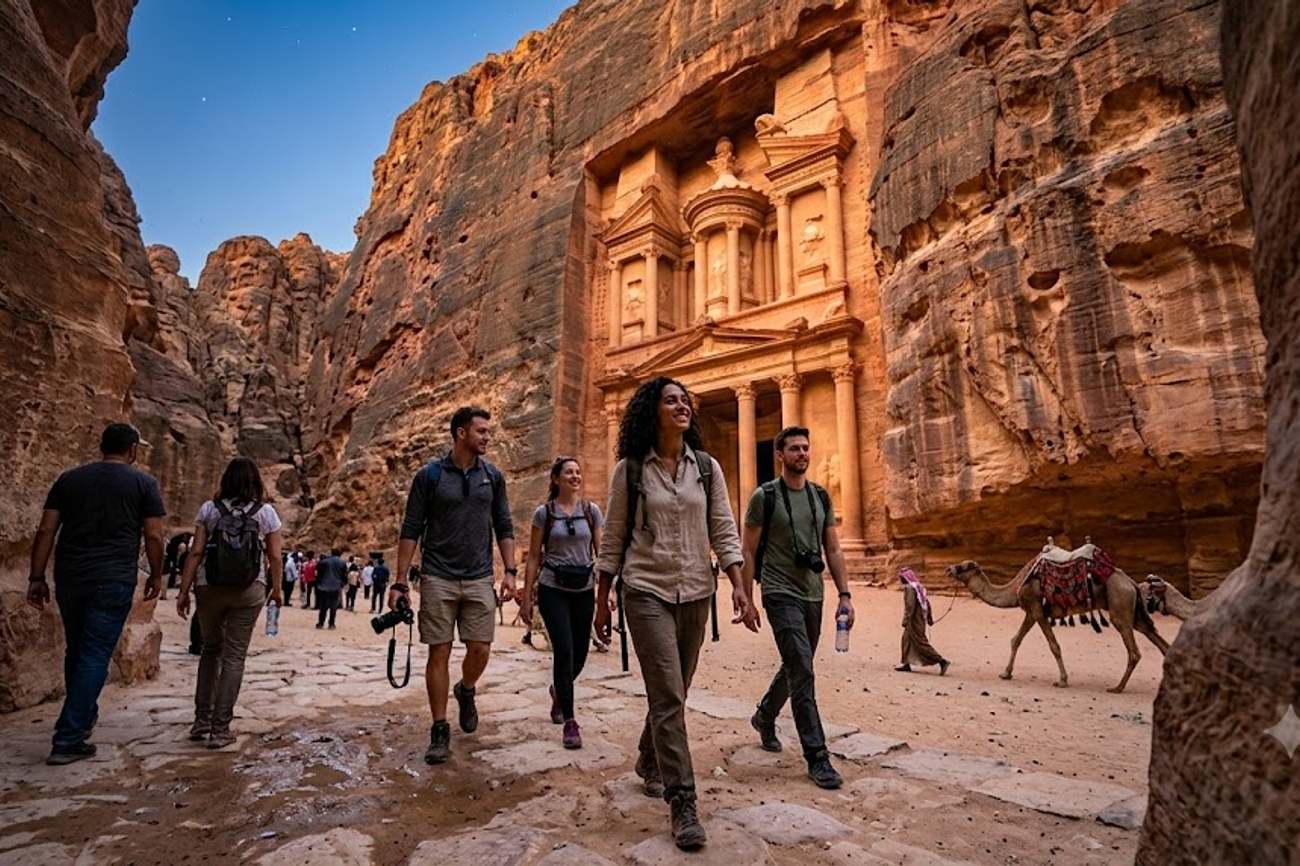
Image generated by AI
[Amman, September 2026] — Jordan’s tourism sector generated US$1.139 billion in revenue during August alone, marking a 17.2% increase compared to the same month in 2025. This surge in spending underscores a significant pivot in the Kingdom's visitor demographics, as regional and Asian markets increasingly offset declines in traditional Western travel.
The Central Bank of Jordan released preliminary data confirming that total tourism earnings for the first eight months of the year have reached US$5.5 billion. This represents a 2.9% increase over the corresponding period in 2025, signaling a steady, albeit uneven, recovery for the nation's travel economy.
Regional Shifts in Visitor Spending
The current growth is not uniform across all global markets. Instead, Jordan is experiencing a strategic shift in where its revenue originates. While the overall trajectory is positive, the data reveals a stark contrast between the rising influence of Arab and Asian travelers and the waning spending power of European and North American tourists.
The surge in August revenue is attributed to heightened demand for the Kingdom's primary cultural and natural assets. Visitors are increasingly flocking to world-renowned sites including Petra, Wadi Rum, and the Dead Sea, as well as various religious and adventure tourism hubs.
Who Is Affected
The financial impact of these shifts is felt across the entire hospitality ecosystem, from luxury resorts to local tour operators. The following table details the revenue performance by visitor segment for the period of January through August:
| Visitor Segment | Revenue Trend (Jan-Aug) | Status |
|---|---|---|
| Arab Nationals | +16.3% | Strong Growth |
| Asian Travelers | +9.5% | Positive Momentum |
| Jordanian Expatriates | -5.9% | Slight Decline |
| United States Visitors | -17.1% | Significant Decline |
| European Visitors | -23.7% | Sharp Decline |
| Other Nationalities | -39.9% | Severe Decline |
The growth from Arab markets is particularly critical. Due to geographical proximity and deep cultural ties, these travelers are utilizing diverse tourism products, including short regional breaks, wellness retreats, and family-oriented holidays. Simultaneously, the 9.5% increase in spending from Asian markets suggests that Jordan's international promotional efforts in the East are yielding tangible financial results.
What This Means for Travelers
For those currently planning a trip to Jordan or booking services through the Jordan Tourism Board, these figures translate into several practical realities:
1. Increased Crowds at Major Sites: With a 17.2% jump in August revenue, high-traffic landmarks like Petra and Wadi Rum are seeing increased density. Travelers should expect longer queues and higher demand for guides during peak regional travel windows.
2. Shift in Service Offerings: As Arab and Asian markets become the primary drivers of growth, hotels and tour operators are likely to adapt their services. This may include more diverse culinary options, different language support, and packages tailored toward family and religious tourism.
3. Potential for Better Deals for Westerners: The sharp decline in spending from European (-23.7%) and American (-17.1%) markets may lead some hospitality providers to offer aggressive promotions or discounts to attract visitors from these underperforming regions.
4. Infrastructure Pressure: The US$5.5 billion injection into the economy supports local transportation, restaurants, and accommodation. However, the rapid growth in specific segments can put temporary pressure on airport logistics and local transit during peak months.
Diversification and Economic Resilience
The Jordanian government and tourism authorities are now faced with the challenge of market diversification. While the reliance on regional Arab travelers provides a safety net, the precipitous drop in European and American spending indicates a vulnerability to geopolitical shifts or economic downturns in the West.
The tourism sector remains a primary source of foreign currency for the Kingdom. The current reliance on the International Air Transport Association (IATA) standards for connectivity and route expansion will be vital as Jordan seeks to reclaim its share of the Western market while further penetrating Asian territories.
The focus is now shifting toward sustainable growth. By leveraging its status as a premier destination for archaeological and nature-based tourism, Jordan aims to stabilize its revenue streams. The goal is to move beyond seasonal spikes and create a year-round flow of high-spending visitors from a broader array of global origins.
The disparity in spending—where some markets grow by double digits while others crash by nearly 40%—suggests that Jordan's brand perception is changing. The Kingdom is successfully rebranding itself as a top-tier destination for the Global East and South, even as it struggles to maintain its grip on the traditional Atlantic markets.
FAQ: Jordan Tourism 2026
Why is tourism revenue increasing despite declines in Western markets? Growth is being driven by a surge in visitors from Arab countries (+16.3%) and Asian markets (+9.5%), whose increased spending is more than offsetting the losses from European and American travelers.
Which sites are currently the most popular for visitors? The primary drivers of spending remain the Kingdom's heritage and nature sites, specifically Petra, Wadi Rum, the Dead Sea, and various religious landmarks.
Is it a good time for Western travelers to visit Jordan? Yes. Given the decline in visitor spending from the US and Europe, travelers may find more availability and potentially better pricing from hotels and tour operators eager to regain these markets.
How much did Jordan earn from tourism in the first eight months of 2026? The tourism sector generated approximately US$5.5 billion between January and August, representing a 2.9% increase over the same period in 2025.
Regional demand is rewriting the playbook for Jordan's economic recovery.
#JordanTourism2026 #AmmanEconomy #ArabTravelTrends #AsianMarketGrowth #PetraRevenue #JordanTravelData
Related Travel Guides
- United Kingdom British Airways Restores Dubai Flights as Travellers Gain More Winter Travel Choices From November
- Kuwait Travel Takes Off as Jazeera Airways Unveils First Winter Flights to Prague During ATM Dubai 2026
- Kenya and Georgia Emerge Alongside a Rising Travel Movement as 2027 Lesser-Known Escapes Challenge Overtourism
Disclaimer
This article is for informational and educational purposes only. It does not constitute legal, financial, or professional advice. While we strive to provide accurate and up-to-date information, travel policies, regulations, and conditions change rapidly. Always verify information with official sources before making travel decisions. Nomad Lawyer makes no representations about the accuracy, reliability, completeness, or suitability of the information provided. Readers should consult qualified professionals for advice specific to their circumstances. The views expressed in this article are those of the author and do not necessarily reflect the views of Nomad Lawyer.
Preeti Gunjan
Contributor & Community Manager
A passionate traveller and community builder. Preeti helps grow the Nomad Lawyer community, fostering engagement and bringing the reader experience to life.
Learn more about our team →