
United Kingdom Aligns With Netherlands And More Destinations As New Tourist Taxes Increase Accommodation Charges Across England And Amsterdam
United Kingdom Aligns With Netherlands And More Destinations As New Tourist Taxes Increase Accommodation Charges Across England And Amsterdam

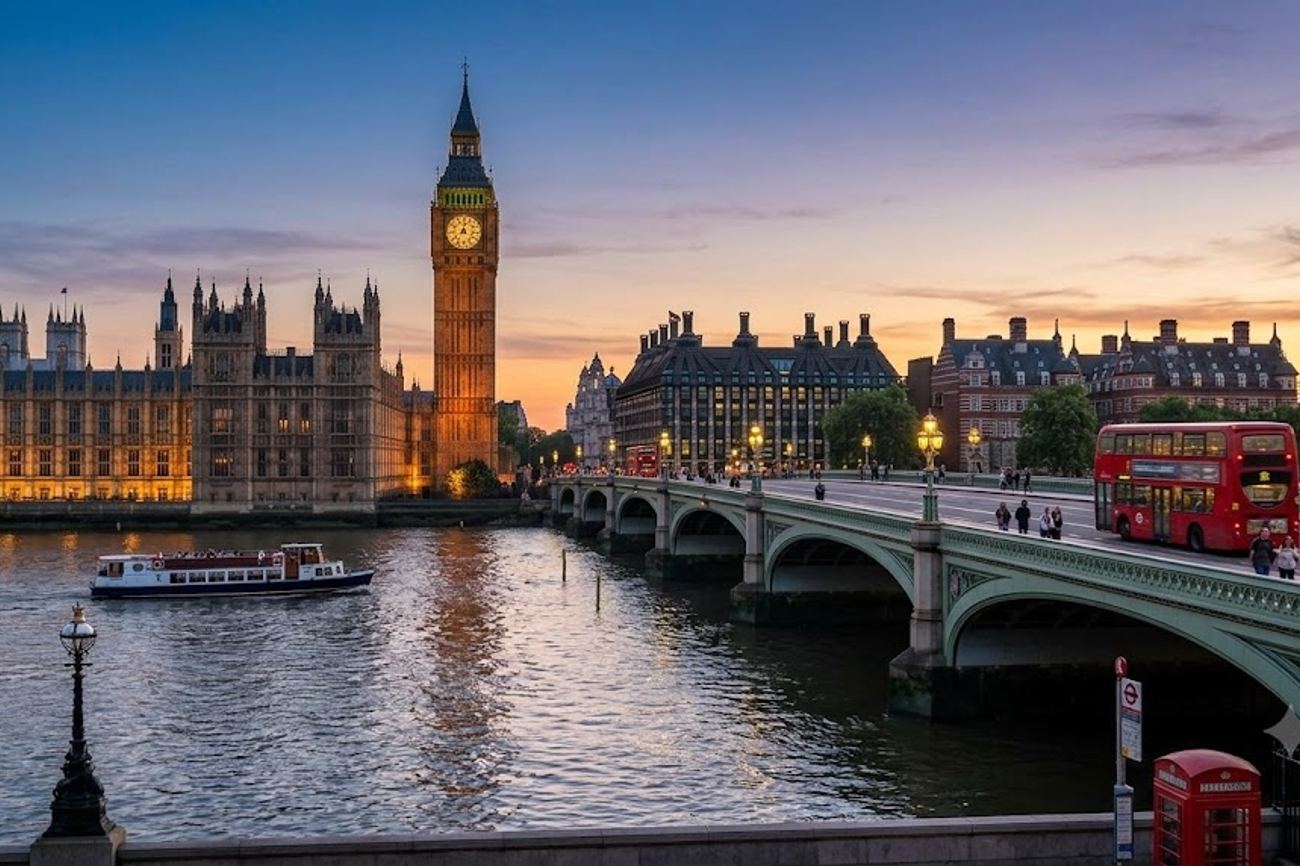
Image generated by AI
A growing list of global destinations, now including the United Kingdom, are implementing visitor levies to offset the infrastructure strain caused by mass tourism. England is shifting away from its historical reliance on general taxation by proposing the Overnight Visitor Levy, a mechanism that empowers regional authorities to impose charges on paid overnight stays. This move aligns the UK with a broader international strategy seen in the Netherlands, Spain, Italy, and France, where the cost of a hotel room is no longer just a transaction between a guest and a provider, but a contribution to the destination's municipal survival.
The Shift Toward Regional Fiscal Autonomy in England
The proposed Overnight Visitor Levy represents a fundamental change in how English tourism is financed. Historically, the UK has funded tourism infrastructure through central government allocations and general tax pools. By transitioning to a regional model, the government is effectively decentralizing the financial burden of tourism management. Under this framework, local authorities in England will have the discretion to decide if their specific region requires a levy, how much that levy will be, and exactly where the funds will be allocated.
This is not a blanket national tax. Instead, it is a toolkit for local leaders. The levy is designed to target a wide array of paid accommodation, ensuring that the financial contribution is not limited to luxury hotels. The scope of the proposed charges includes:
- Traditional hotels and guesthouses
- Bed and breakfasts (B&Bs)
- Short-term holiday rentals (such as Airbnb)
- Any other paid overnight accommodation providers
By targeting holiday rentals specifically, the UK is attempting to close a loophole common in many cities where unregulated short-term lets place a burden on local services without contributing to the specific tax pools that maintain those services. The intention is to create a sustainable loop where the revenue generated from a visitor's stay is reinvested into the very infrastructure—public transport, waste management, and heritage sites—that makes the destination attractive in the first place.
Global Benchmarks in Tourism Taxation
The UK is not innovating in a vacuum; it is following a blueprint established by several European and Asian powerhouses. The current global trend shows a move toward percentage-based charges linked to the cost of the stay, rather than flat entry fees.
| Country / Destination | Specific Tax Measure | Primary Strategic Objective |
|---|---|---|
| United Kingdom | Regional Overnight Visitor Levy | Infrastructure support and local service funding |
| Netherlands | Amsterdam Tourist Tax | Managing visitor pressure and urban services |
| Spain | Regional/City Tourist Taxes | Sustainability and destination management |
| Italy | City Accommodation Taxes | Heritage protection and public service maintenance |
| France | Local Tourist Taxes | Tourism development and promotion |
| Thailand | Tourist Entry Fee Plans | Strengthening overall visitor management |
| Indonesia | Bali International Tourist Levy | Cultural preservation and environmental protection |
| Bhutan | Sustainable Development Fee | High-value, low-impact conservation tourism |
| New Zealand | Int. Visitor Conservation & Tourism Levy | Conservation and facility upkeep |
The Dutch model, specifically in Amsterdam, serves as a cautionary and instructional tale for English cities. Amsterdam has implemented some of the highest accommodation taxes in Europe to combat "overtourism." The city uses these funds to mitigate the pressure on historic neighborhoods and transport networks. Similarly, Spain has diversified its approach; while Barcelona focuses on urban management, the Balearic Islands utilize their levies specifically for environmental initiatives to protect their coastal ecosystems.
Expert Analysis: The Economic Friction of "Sustainable" Tourism
For the traveler, the direct consequence of this shift is a steady increase in the "hidden" cost of travel. While a 2% or 5% levy may seem negligible on a single night's stay, the cumulative effect across a multi-city itinerary is significant. For those booking through platforms like Booking.com or direct hotel sites, these taxes are often added at the final checkout stage, leading to "sticker shock" and potential budget overruns.
The pricing pressure created by these levies does not exist in a vacuum. Hospitality providers in the UK are already battling inflated operational costs—specifically energy prices and staffing shortages. When a regional government adds a visitor levy, the hotel operator faces a dilemma: absorb the cost to remain competitive or pass it on to the guest. In most cases, the guest pays.
This creates a specific risk for domestic "staycationers" and family travelers. Unlike high-net-worth international tourists who may not notice a small daily fee, domestic travelers are more price-sensitive. If England's most popular regions—such as Cornwall or the Lake District—implement high levies, we may see a "displacement effect" where domestic tourists shift their spending to regions that have opted out of the tax.
Furthermore, this regulatory shift signals a move toward "Value over Volume." By increasing the cost of entry and stay, destinations are implicitly signaling that they no longer want the highest number of tourists, but rather the most sustainable number of tourists. For the business traveler, this adds another layer of administrative complexity to expense reporting and corporate budgeting, as taxes will now vary by city rather than by country. To understand the broader industry standards governing these shifts, travelers and operators can refer to the International Air Transport Association (IATA) for insights on how arrival costs impact global mobility.
Key Takeaways
- Regional Discretion: The UK's new levy is not a national mandate; individual English regions will decide whether to implement it and how to set the rates.
- Broad Scope: The tax targets nearly all paid accommodation, including hotels, B&Bs, and short-term holiday rentals.
- Global Alignment: The UK is joining a global movement including Italy, Spain, and the Netherlands to use tourism taxes for infrastructure and environmental protection.
- Cost Escalation: Travelers should expect an increase in total accommodation costs, as these levies are typically percentage-based and added to the final bill.
- Strategic Goal: The primary objective is to shift the financial burden of tourism from local taxpayers to the visitors who utilize the services.
FAQ: UK Visitor Levies 2024-2025
Will every hotel in the UK charge a tourism tax? No. The levy is regional. Only areas in England where the local authority has specifically voted to adopt the Overnight Visitor Levy will apply the charge. Scotland and Wales operate under different regulatory frameworks.
How is the tourism tax calculated? While specific rates vary by region, the proposed English model follows the international trend of a percentage-based charge linked to the total cost of the accommodation rather than a flat per-person fee.
What happens to the money collected from these taxes? Funds are earmarked for local reinvestment. This includes maintaining public spaces, improving tourist infrastructure, supporting local attractions, and reducing the strain on services used by residents.
Does this tax apply to Airbnb and holiday rentals? Yes. The proposed levy is designed to cover "paid overnight stays," which explicitly includes holiday rentals and guesthouses to ensure fair competition with traditional hotels.
The era of the "free" destination is ending; the cost of the journey now includes the cost of the destination's survival.
Tags: #EnglandVisitorLevy #UKTourismTax #AmsterdamTouristTax #SustainableTourism2025 #EuropeanAccommodationTaxes #RegionalTourismFunding
Related Travel Guides
- Jordan Tourism Revenue Climbs Over Seventeen Percent as Travellers Discover Strong Growth and New Experiences Across the Kingdom
- United Kingdom British Airways Restores Dubai Flights as Travellers Gain More Winter Travel Choices From November
- Kuwait Travel Takes Off as Jazeera Airways Unveils First Winter Flights to Prague During ATM Dubai 2026
Disclaimer
This article is for informational and educational purposes only. It does not constitute legal, financial, or professional advice. While we strive to provide accurate and up-to-date information, travel policies, regulations, and conditions change rapidly. Always verify information with official sources before making travel decisions. Nomad Lawyer makes no representations about the accuracy, reliability, completeness, or suitability of the information provided. Readers should consult qualified professionals for advice specific to their circumstances. The views expressed in this article are those of the author and do not necessarily reflect the views of Nomad Lawyer.
Preeti Gunjan
Contributor & Community Manager
A passionate traveller and community builder. Preeti helps grow the Nomad Lawyer community, fostering engagement and bringing the reader experience to life.
Learn more about our team →