
Sarzana Earthquake Triggers Seismic Monitoring Across Liguria and Tuscany
A shallow magnitude 4.1 earthquake near Sarzana, Liguria on August 16, 2026, has highlighted seismic safety protocols in Italy's popular tourism corridors.

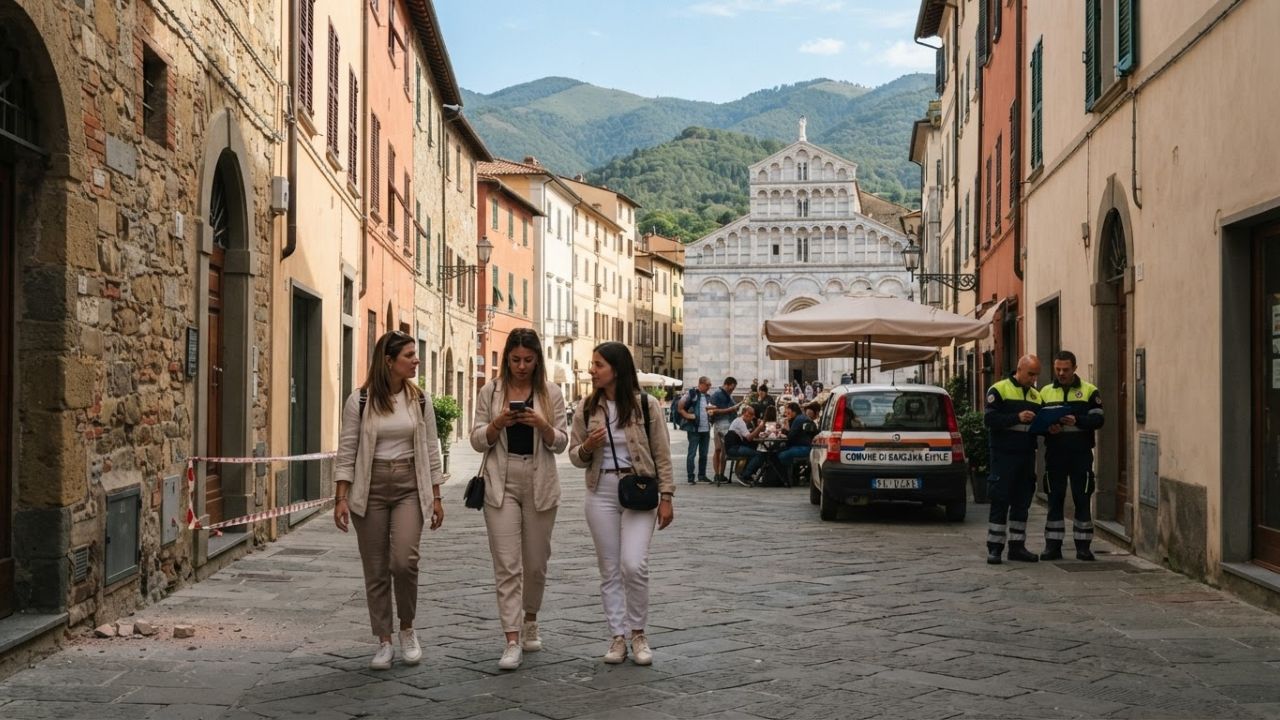
Image generated by AI
A shallow magnitude 4.1 earthquake jolted the historic town of Sarzana on August 16, 2026, triggering immediate safety checks across the tourism corridors of Liguria and Tuscany. Although the tremor occurred at a shallow depth of 10 kilometers and was felt widely, regional transport networks and visitor attractions remain fully operational without reported structural damage.
Seismic Activity in the Northern Apennines
The regional travel corridor connecting Liguria and Tuscany experienced a temporary alert after a moderate earthquake occurred near the historic town of Sarzana. On August 16, 2026, seismic monitoring agencies recorded a magnitude 4.1 earthquake, which originated at a shallow depth of approximately 10 kilometers underground. Because shallow earthquakes release seismic energy close to the surface, the tremor was felt widely by residents and travelers inside buildings across La Spezia province and neighboring Tuscan districts.
While the magnitude 4.1 indicator is relatively low compared to major disasters, local civil defense agencies immediately activated seismic safety checks to evaluate potential impacts on historical structures. The tremors serve as a reminder of the complex geological activity that defines the Italian peninsula. Because Italy is situated at the boundary of major tectonic plates, underground stress accumulates along fault systems, leading to occasional releases of energy that are monitored by regional centers.
Geologically, the northern Apennines represent one of Italy's seismically active zones. The mountain range is shaped by ongoing tectonic collisions between the African and Eurasian plates, which build up stress along underground fault systems. The Istituto Nazionale di Geofisica e Vulcanologia (INGV) monitors these movements continuously. Moderate events like the Sarzana tremor are a natural release of this tectonic tension and do not indicate that a more destructive earthquake is imminent.
Local Impact and Tourist Infrastructure Resilience
Sarzana serves as a key gateway to the La Spezia province, the Cinque Terre National Park, and the scenic coastal routes of northern Italy. For international travelers currently visiting the region, a magnitude 4.1 earthquake does not trigger emergency travel restrictions or operational suspensions. Moderate tremors are managed routinely by regional authorities, and tourism infrastructure remains stable.
This stability is a result of decades of strict construction codes and safety monitoring in the region. The La Spezia province and Tuscan municipalities have invested heavily in seismic retrofitting for public spaces, hotels, and transport terminals, ensuring they can absorb minor tremors without disruption. This preparation allows the tourism sector to maintain operations and prevent panic, even when a shallow tremor rattles the area during peak holiday months.
Following the seismic event, local authorities confirmed that there are no disruptions to:
- International flights operating to and from regional Italian gateways.
- Rail connections serving Liguria, Piedmont, and Tuscany, including the Cinque Terre Express.
- State roads and highway networks connecting northern and central Italy.
- Hotel operations, guesthouses, and municipal visitor centers.
- Schengen border entry procedures and visa processing.
Tour operators and hotel managers are trained in standard emergency management protocols, ensuring that safety information is communicated clearly to guests. Travelers with existing bookings in Liguria or Tuscany can proceed with their travel plans while staying informed of local updates.
Tectonic Forces and Scientific Monitoring in Italy
Italy's position in the Mediterranean basin makes it one of Europe's most seismically monitored countries. The INGV operates a network of monitoring stations that record micro-tremors daily. This geoinformation is shared with the Dipartimento della Protezione Civile (Civil Protection Department) to update regional hazard maps and coordinate safety regulations.
The INGV station network uses advanced geoinformation technology to map seismic waves in real-time, providing immediate data to emergency managers. This scientific infrastructure is critical for mapping long-term risks and designing safer buildings. By coordinating with regional conservation bodies, researchers can identify which historic towers or churches require reinforcement, ensuring that cultural assets are preserved for future generations.
While seismologists can map active fault structures and identify areas of high long-term risk, predicting the exact timing, location, or magnitude of a future earthquake remains impossible. Continuous monitoring helps scientists understand stress accumulation in the Apennines fault systems, which supports regional building safety codes. This geological reality means that earthquake awareness is a standard element of infrastructure planning in Italy.
Travel Safety and Schengen Border Operations
The Sarzana earthquake has no impact on travel documentation, visa validity, or entry requirements for Italy. The Schengen borders remain open, and immigration procedures at international airports continue as scheduled.
For tourism businesses, the priority remains communication and preparedness. Italian hotels and transport operators follow strict civil protection guidelines, including clear emergency exit signage and structural safety inspections. By maintaining open communication with local authorities, the hospitality sector ensures that traveler confidence remains high during natural geological events.
Visitor Guide: Local Culture, Gastronomy, and Emergency Safety
Exploring Sarzana and the surrounding Val di Magra involves experiencing rich medieval history, tasting traditional Ligurian food, and understanding local safety resources. By preparing in advance, travelers can enjoy a secure and memorable trip.
Sarzana's cultural heritage is visible in its architecture, particularly the Fortezza di Sarzanello. Perched on a hill overlooking the town and the Magra valley, this rhomboid-shaped military fortress dates back to the 10th century. It features triangular bastions and a massive ravelin designed by Florentine military engineers under the Medici family. Today, it is a protected monument managed by the Italian Ministry of Culture and is open for public tours, exhibits, and community events.
Sample the local culinary traditions that cross the Ligurian and Tuscan borders. Try Farinata (locally known as fainâ or cecina), a savory pancake made from chickpea flour, water, olive oil, and salt, traditionally baked in large copper pans inside wood-fired ovens. Pair your meals with Colli di Luni Vermentino, a crisp DOC white wine produced in the coastal hills near the sea, characterized by its bright minerality.
Navigate regional transit networks using official tools. If traveling through the Cinque Terre villages, use the Trenitalia mobile application to check real-time schedule updates for the local rail line. Avoid relying on unverified transit updates on social media, especially after a seismic event.
Familiarize yourself with basic earthquake safety protocols. If you feel a tremor while inside your hotel room, practice "Drop, Cover, and Hold On." Seek shelter under a sturdy table, desk, or next to an interior load-bearing wall, and stay away from windows and heavy furniture. Do not use elevators during or immediately after a tremor. Once the shaking stops, exit the building calmly using designated emergency stairwells, and gather in open outdoor spaces away from utility lines or brick walls. Monitor the Protezione Civile's official website for real-time safety advisories and regional instructions.
Future Outlook: Retrofitting and Sustainable Conservation
The long-term resilience of Liguria's tourism sector relies on balancing heritage preservation with modern safety retrofitting. Municipalities across La Spezia province are actively retrofitting historic stone buildings and medieval castles to withstand seismic forces without damaging their architectural integrity.
These structural upgrades are increasingly integrated with sustainable conservation practices. Local conservation boards are using eco-friendly lime mortars and local stone to reinforce masonry walls, reducing the environmental footprint of construction. By coordinating seismic safety upgrades with sustainable tourism development, Italy aims to protect its cultural landscapes, ensuring that historic destinations like Sarzana remain safe and accessible for global travelers.
Related Travel Guides
Disclaimer
This article is for informational and educational purposes only. It does not constitute legal, financial, or professional advice. While we strive to provide accurate and up-to-date information, travel policies, regulations, and conditions change rapidly. Always verify information with official sources before making travel decisions. Nomad Lawyer makes no representations about the accuracy, reliability, completeness, or suitability of the information provided. Readers should consult qualified professionals for advice specific to their circumstances. The views expressed in this article are those of the author and do not necessarily reflect the views of Nomad Lawyer.
Naina Thakur
Contributor & Travel Specialist
Travel enthusiast and legal writer covering visa regulations, responsible tourism, and cultural journeys across global destinations.
Learn more about our team →