
Italy Builds New Tourism Opportunities Around Lazio Borghi Walking Routes and Local Experiences With 16.3% Online Booking Growth
Italy Builds New Tourism Opportunities Around Lazio Borghi Walking Routes and Local Experiences With 16.3% Online Booking Growth

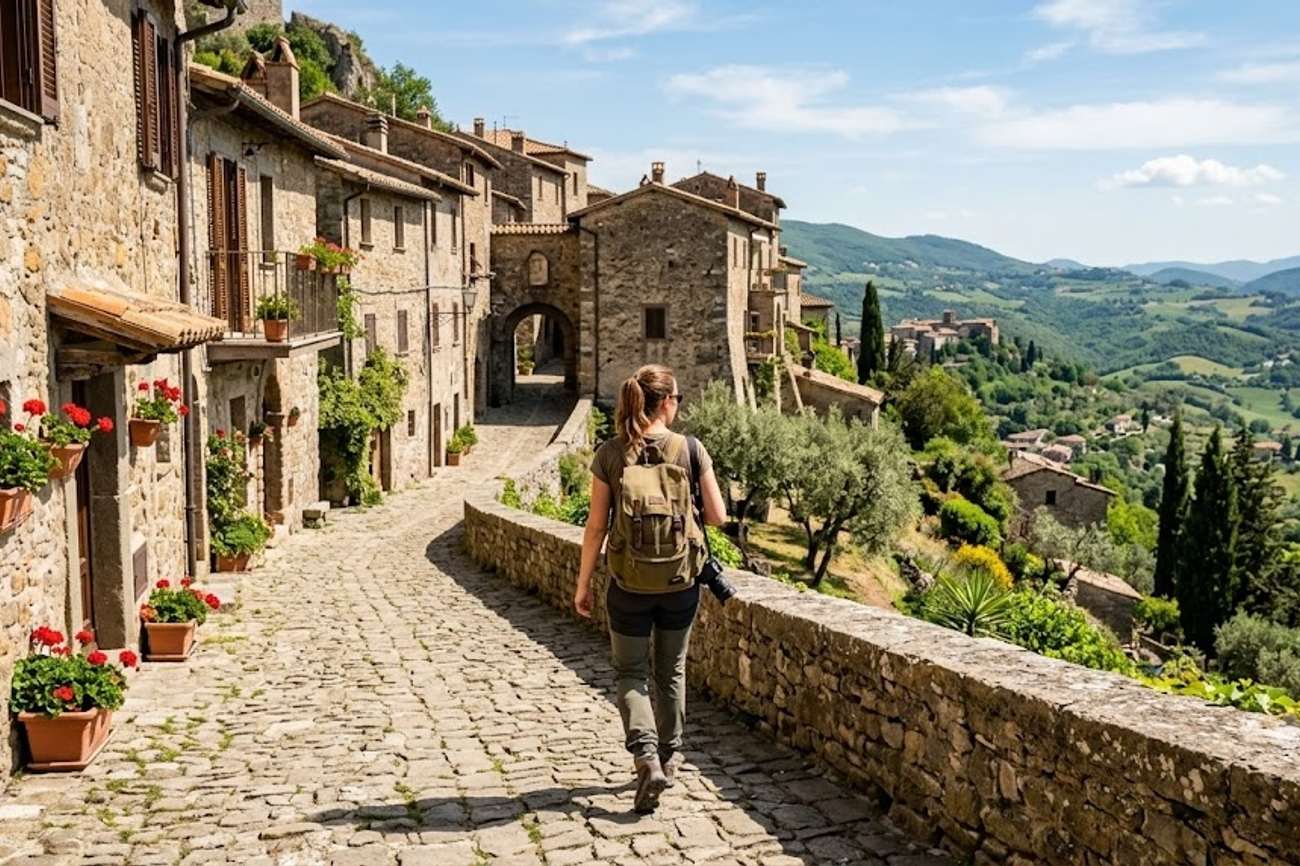
Image generated by AI
[Rome, July 2026] — Lazio has recorded a 16.3% surge in online accommodation bookings compared to 2025, marking the highest percentage increase of any Italian region during the summer period. This spike in digital demand serves as a primary indicator of a strategic shift in regional tourism, as Italy aggressively pushes to divert visitor traffic away from the saturated center of Rome and into the broader Lazio countryside.
The growth is part of a coordinated effort by the Italian National Tourist Board (ENIT) to combat overtourism in the capital. By leveraging "slow tourism" and the promotion of cultural landscapes, authorities are attempting to redistribute the economic benefits of travel across the region's smaller municipalities and rural districts. This strategy relies on the integration of secondary markets and the expansion of online booking accessibility for destinations that were previously overlooked by international travelers.
The Drivers of Regional Expansion
The current momentum is triggered by a deliberate pivot toward "borghi"—historic villages and small towns—and the development of extensive walking routes. By repositioning the region as a collection of diverse experiences rather than a single-city destination, Italy is attempting to change the fundamental behavior of the traveler.
The shift is underpinned by three distinct data points from the first seven months of 2026:
- Online Bookings: A 16.3% increase over 2025 figures.
- Tourist Arrivals: A 10.9% rise in the total number of visitors entering the region.
- Tourist Presences: A 7.3% increase in the total volume of stays (overnight presences).
While the national growth rate for Italy overall hovered around 2%, Lazio’s 16.3% booking jump indicates a disproportionate increase in interest for the region. The gap between arrival growth (10.9%) and presence growth (7.3%) suggests that while more people are entering the region, the strategy to increase the length of stay through diversified itineraries is still in its scaling phase.
Market Impact and Distribution
The redistribution of tourism is designed to benefit a wide array of stakeholders outside the immediate orbit of Rome’s Colosseum and Vatican City. The following sectors are seeing the most direct impact:
| Impacted Sector | Primary Benefit | Growth Driver |
|---|---|---|
| Boutique Hotels & B&Bs | Increased occupancy in rural borghi | 16.3% rise in online booking accessibility |
| Regional Transport | Higher demand for non-urban transit | Movement between secondary towns |
| Local Gastronomy | Increased revenue for village eateries | Slow tourism and walking itineraries |
| Heritage Sites | Greater visibility for medieval architecture | Diversification of the "Rome-only" trip |
| Rural Communities | Direct economic injection into small towns | Shift toward nature-based and religious travel |
The Ministry of Tourism is focusing on turning the conventional Rome gateway visit into a multi-destination regional circuit. By promoting medieval architecture and local traditions in smaller communities, the region is creating a buffer against the congestion of the capital.
What This Means for Travelers
For the modern traveler, this shift means that visiting Lazio no longer requires a choice between the urban intensity of Rome and the isolation of the countryside. The integration of tourism products means that "slow tourism" is now a viable, bookable option.
Practical Impacts:
- Booking Availability: With a 16.3% increase in online bookings, travelers should expect higher competition for accommodations in historic villages (borghi) during the summer peak.
- Itinerary Planning: There is now a structured infrastructure for walking tourism. Travelers can plan routes that connect multiple small settlements, effectively using the journey as the primary attraction.
- Cost Distribution: As visitors move away from the "tourist traps" of the capital, they are likely to find more authentic, local pricing in rural Lazio, though the increased demand may lead to price stabilization in previously cheap rural areas.
- Pace of Travel: The promotion of "slow tourism" encourages longer stays. Travelers are being nudged to spend several days in a single village rather than treating the region as a series of day trips from Rome.
The Future of Lazio's Tourism Model
The long-term goal is the complete normalization of the multi-destination itinerary. Italian planners believe that once visitors experience the cultural landscapes of Lazio, they will be more likely to extend their trips to other Italian regions, creating a ripple effect of growth across the peninsula.
The focus is now shifting toward the "walking experience." By treating transport as part of the attraction, the region is integrating nature-based itineraries with religious and heritage travel. This approach ensures that visitors spend time and money in multiple communities, preventing the "clustering" effect that has plagued Rome.
As the region continues to integrate its tourism products, the reliance on Rome as the sole entry point is expected to diminish. The data from the first seven months of 2026 suggests that the market is responding to these incentives, with a clear appetite for experiences that prioritize place and authenticity over checklist sightseeing.
FAQ: Lazio Regional Travel 2026
What is a "borgo" and why should I visit one? A borgo is a historic fortified village. These towns offer medieval architecture and local traditions away from the crowds of Rome, providing a quieter, more authentic Italian experience focused on local gastronomy and heritage.
How has booking changed for rural Lazio in 2026? Online booking accessibility has expanded significantly, with a 16.3% increase in digital reservations. Travelers can now easily book small-scale accommodations in secondary markets that were previously difficult to reserve online.
Is it possible to visit Lazio without staying in Rome? Yes. The current regional strategy promotes walking routes and slow tourism, encouraging visitors to use historic villages and rural landscapes as their primary bases rather than treating Rome as the sole hub.
What is the difference between "arrivals" and "presences" in the report? Arrivals refer to the number of people entering the region (up 10.9%). Presences refer to the total number of overnight stays (up 7.3%), indicating how long visitors are staying in the region.
Moving beyond the Eternal City to find the heart of Italy.
#LazioTourism2026 #ENIT #RomeOvertourism #BorghiItaly #SlowTourismLazio #ItalyRegionalTravel
Related Travel Guides
- Vietnam Elevates Luxury Rail Travel with SJourney’s Stunning Hanoi to Ho Chi Minh City Adventure
- Nepal’s Dungmagadhi Fort Set To Become a Major Heritage Tourism Attraction With New Tourism Development Plans
- Italy Follows United Kingdom And More In US Travel Advisory Updates As Tourist Safety And Passport Validity Requirements Take Centre Stage
Disclaimer
This article is for informational and educational purposes only. It does not constitute legal, financial, or professional advice. While we strive to provide accurate and up-to-date information, travel policies, regulations, and conditions change rapidly. Always verify information with official sources before making travel decisions. Nomad Lawyer makes no representations about the accuracy, reliability, completeness, or suitability of the information provided. Readers should consult qualified professionals for advice specific to their circumstances. The views expressed in this article are those of the author and do not necessarily reflect the views of Nomad Lawyer.
Preeti Gunjan
Contributor & Community Manager
A passionate traveller and community builder. Preeti helps grow the Nomad Lawyer community, fostering engagement and bringing the reader experience to life.
Learn more about our team →