
Ireland’s Hidden Kylemore Abbey And Cloghleagh Woods Travel Escape That Whispers Pure Seasonal Magic Across the Country
Ireland’s Hidden Kylemore Abbey And Cloghleagh Woods Travel Escape That Whispers Pure Seasonal Magic Across the Country

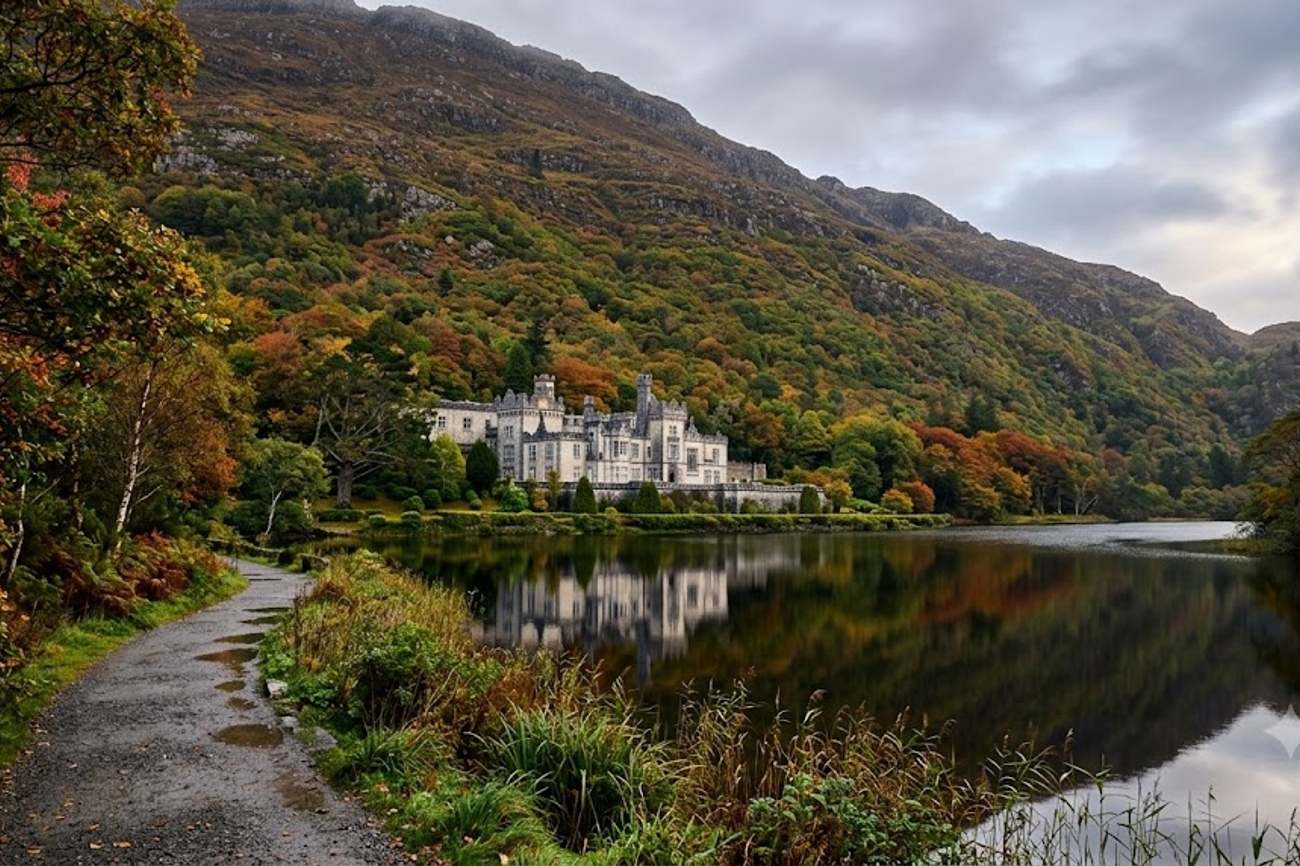
Image generated by AI
The scent of autumn in Ireland is not just a weather shift; it is a visceral signal to decelerate and reclaim a sense of presence. While most visitors flock to the Emerald Isle during the humid rush of July and August, the true soul of the country reveals itself when the canopy turns gold and the crowds vanish.
The Shift Toward Shoulder-Season Exploration
Ireland is currently witnessing a strategic pivot in how its landscapes are consumed. There is a concerted effort by tourism boards and local hospitality providers to dismantle the traditional "peak season" mentality. By highlighting the visceral beauty of the autumn months, the industry is actively fighting the plague of summer overtourism. This shift is not merely about aesthetics; it is an economic necessity. By attracting nature-oriented explorers during the cooler months, local artisan communities and transit networks are finding sustainable growth patterns that don't rely on the chaotic surge of mid-summer.
For the sophisticated traveler, this means the island becomes an open book. The willingness of international visitors to travel vast distances specifically for the "color change" has created a niche market for slow travel. You are no longer fighting for a seat on a bus or a table at a pub; instead, you are engaging in a form of environmental immersion that is only possible when the world winds down.
What Makes the Irish Autumn Different
The experience of autumn in Ireland is defined by a duality: the rugged, salt-sprayed drama of the coast and the hushed, misty sanctuary of the inland woodlands. Unlike the manicured parks of mainland Europe, Ireland’s seasonal transition is raw and unpredictable.
In the east, within the region known as Ireland’s Ancient East, the experience is one of deep solitude. Places like Cloghleagh Woods offer a sensory overload of thick canopies and soft morning fog that swallows sound, creating a natural vacuum for reflection. This is complemented by the urban forestry of Dublin, where St Stephen’s Green serves as a living gallery. Here, the juxtaposition of rigid, historic city architecture against the fluid, fiery tones of falling leaves provides a visual narrative of a city that breathes alongside nature.
Moving west toward the Wild Atlantic Way, the energy shifts. At Maghera Beach, the seasonal experience is defined by the collision of elements. The crisp, cool air hits the crashing Atlantic waves, creating a sensory sharpness that is absent in the summer. Then there are the quiet pathways of Drummonaghan Woods, where the focus shifts to the minute details—the way native plants prepare for winter and the specific scent of damp earth and decaying leaves. This is the antidote to digital exhaustion, offering a physical space where the only rhythm is the pace of your own footsteps.
For those seeking a connection to the past, the transition is seen in the architecture. Keenaghan Cottage in Northern Ireland, with its traditional thatched roof, becomes a focal point of regional craftsmanship when framed by the rich autumnal palette. It is a reminder that Irish heritage is not just about stone and mortar, but about how those structures sit within the changing seasons.
Visitor Insider Tips
To experience Ireland in the autumn without feeling like a tourist, you must lean into the "slow" philosophy.
Timing the Visit The window for peak foliage typically hits in late September through October. To avoid any lingering crowds, aim for mid-week visits to popular spots like Powerscourt Waterfall. The early morning hours—specifically between 7:00 AM and 9:00 AM—are the only times you will experience the "misty morning" magic of Cloghleagh Woods without other hikers in your frame.
Regional Basecamps Instead of staying exclusively in Dublin, split your time. Base yourself in a small village along the Wild Atlantic Way to access Drummonaghan Woods and Maghera Beach. For the east coast, look for boutique guesthouses near the Wicklow Mountains to be within striking distance of Killiney Hill and the waterfall circuits.
Local Etiquette and Gear The Irish autumn is notorious for "four seasons in one day." Do not rely on a heavy coat alone; the local secret is high-quality layering. A waterproof shell is non-negotiable. When visiting heritage sites like Keenaghan Cottage, remember that these are often living histories—keep voices low and stick strictly to marked paths to protect the fragile soil and thatch.
Transport Hacks While car rentals are the standard for reaching the Wild Atlantic Way, consider using the Transport for Ireland network for city-to-city hops. For the more remote woodland areas, local taxis are often the only way to reach specific trailheads; it is highly recommended to arrange your return trip with the driver in advance, as mobile signal in the deep woods can be non-existent.
Cultural and Environmental Context
The push toward autumn tourism is a critical component of Ireland's broader environmental strategy. By spreading visitor footprints across the year, the country reduces the immense pressure placed on fragile ecosystems during the summer months. This is particularly evident in the protected regional woodlands of the Ancient East. When tourism is concentrated in a three-month window, trails erode and local wildlife is disrupted. A balanced, year-round flow allows for better heritage preservation and more sustainable land management.
Furthermore, this seasonal shift supports the "artisan economy." In the off-peak months, local weavers, potters, and farmers—who often struggle during the winter lull—find a steady stream of visitors who are more interested in authentic cultural immersion than checklist sightseeing. This creates a symbiotic relationship where the traveler gets a genuine look at Irish life, and the local community receives the financial stability needed to maintain traditional crafts and thatched-roof architecture.
For those interested in the broader preservation of these landscapes, the UNESCO World Heritage guidelines often influence how these regional sites are managed, ensuring that the drive for tourism does not compromise the ecological integrity of the forests or the authenticity of the heritage cottages. You can find more official guidance on visiting responsibly through Visit Ireland.
FAQ: Visiting Ireland 2026
What is the best time to visit for autumn colors? The prime window is from late September through October. During this time, the woodlands in the Ancient East and along the Wild Atlantic Way reach their peak golden and red hues.
How do I get to the Wild Atlantic Way from Dublin? The most efficient way is by renting a car, as many spots like Drummonaghan Woods are not served by frequent public transport. The drive takes several hours depending on your specific destination.
Is it safe for solo travelers? Yes, Ireland is exceptionally safe for solo travelers. However, when hiking in remote areas like Cloghleagh Woods, always inform your accommodation host of your route and carry a physical map.
Do I need a visa for Ireland? Visa requirements depend on your nationality. US, Canadian, and Australian citizens generally do not need a visa for short stays, but you should check the official Irish immigration website for current 2026 regulations.
Leave the crowds to the summer; find the silence in the gold.
#IrelandTravel2026 #WildAtlanticWay #AncientEast #AutumnInIreland #IrishHeritageSites
Related Travel Guides
- Thailand’s OECD 2028 Push Could Transform Bangkok Into Asia’s Next Global Business Travel And Events Powerhouse
- Dubai Tourism Rebounds As 869,000 Visitors Arrive In August 2026, Signalling Strong Global Travel Recovery
- Portugal Reveals Hidden Travel Paradise With Golden Sands and Calm Waters Away From Tourist Crowds
Disclaimer
This article is for informational and educational purposes only. It does not constitute legal, financial, or professional advice. While we strive to provide accurate and up-to-date information, travel policies, regulations, and conditions change rapidly. Always verify information with official sources before making travel decisions. Nomad Lawyer makes no representations about the accuracy, reliability, completeness, or suitability of the information provided. Readers should consult qualified professionals for advice specific to their circumstances. The views expressed in this article are those of the author and do not necessarily reflect the views of Nomad Lawyer.
Kunal K Choudhary
Co-Founder & Contributor
A passionate traveller and tech enthusiast. Kunal contributes to the vision and growth of Nomad Lawyer, bringing fresh perspectives and driving the community forward.
Learn more about our team →