
Portugal Reveals Hidden Travel Paradise With Golden Sands and Calm Waters Away From Tourist Crowds
Portugal Reveals Hidden Travel Paradise With Golden Sands and Calm Waters Away From Tourist Crowds

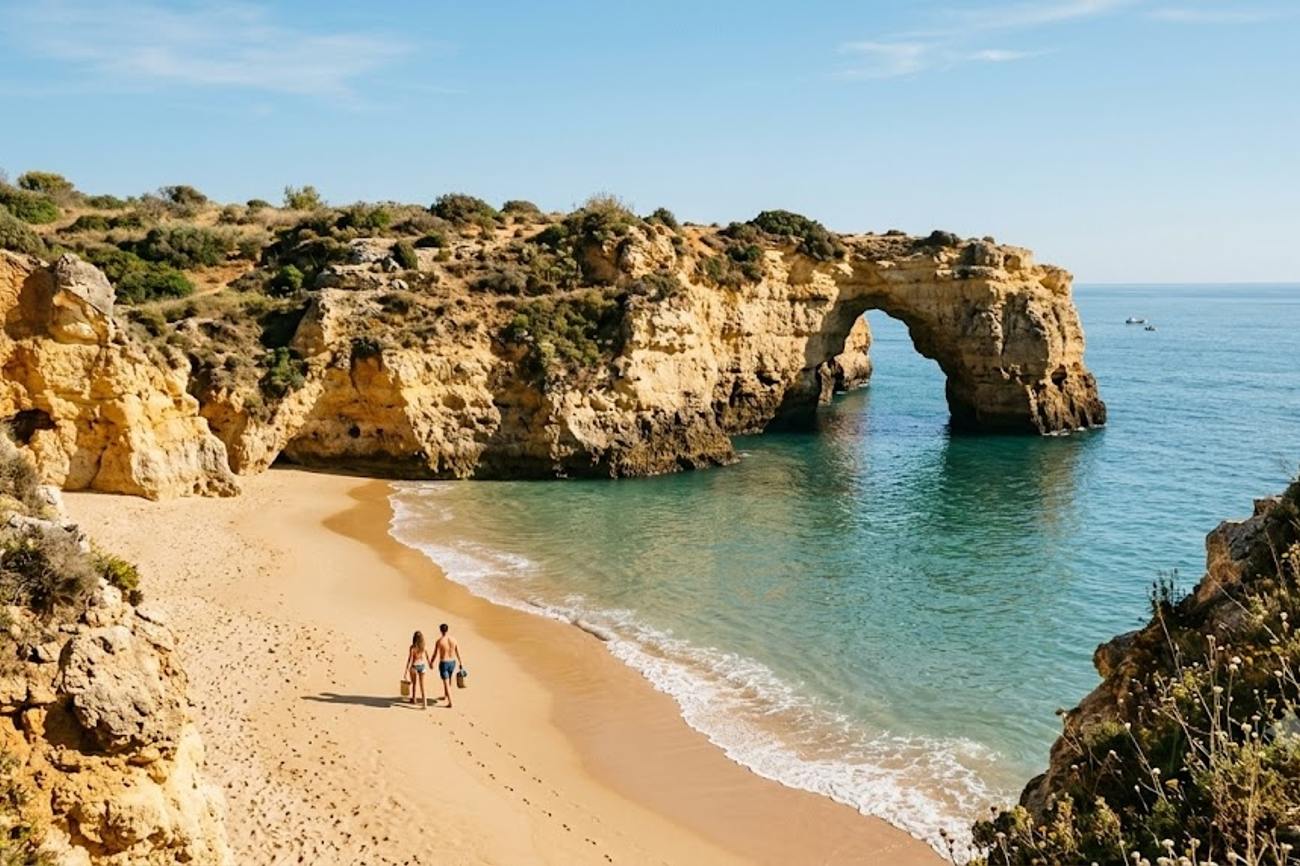
Image generated by AI
[Porto Santo, September 14, 2026] — Portugal is promoting Praia do Porto Santo as a premier low-density alternative to Europe’s overcrowded coastal resorts, leveraging a nine-kilometre stretch of golden sand and therapeutic mineral waters to attract wellness-focused travelers.
The destination, located on Porto Santo Island near Madeira, is positioning itself as a "hidden paradise" for those seeking to avoid mass tourism. By combining a mild Atlantic climate with specialized wellness traditions and easy connectivity via the Madeira Airport (Funchal), the region is targeting a demographic of high-value travelers prioritizing tranquility and natural authenticity over traditional resort hubs.
The Appeal of the Porto Santo Coastline
The primary draw of the region is the Praia do Porto Santo, an anomaly in the Madeira archipelago due to its vast, continuous sandy expanse. While much of the surrounding region is characterized by volcanic rock and rugged cliffs, Porto Santo provides a nine-kilometre uninterrupted shoreline along its southern coast.
To manage visitor flow and maintain the "quiet" atmosphere the island promotes, the beach is categorized into six distinct sectors:
- Penedo
- Cabeço da Ponta
- Calheta
- Fontinha
- Pedras Pretas
- Ribeiro Salgado
These divisions allow the local administration to balance high-activity zones near hotels with secluded stretches where natural Atlantic sounds dominate. The Portuguese Environment Agency and international regulators have awarded several of these sections Blue Flag status, certifying that the waters meet stringent environmental and quality standards. Furthermore, the Praia da Fontinha sector has been specifically upgraded with accessibility infrastructure to accommodate visitors with limited mobility.
Therapeutic Sands and Wellness Tourism
Porto Santo is diversifying its tourism product by leaning into "sand bathing," a traditional practice where visitors bury specific parts of their bodies in the warm, mineral-rich golden sands. Local tradition suggests these minerals offer therapeutic benefits, transforming the beach from a simple leisure site into a restorative wellness destination.
This shift toward "slow travel" is intended to decouple the island's economy from the volatile peaks of mass summer tourism. By marketing the restorative properties of the sand and the calm sea conditions, Porto Santo is attempting to extend its viable tourism season beyond the traditional July and August window.
Regional Accessibility and Logistics
The island functions largely as a satellite destination for those visiting the larger island of Madeira. The logistical framework for reaching Porto Santo is streamlined through two primary modes of transport:
- Aviation: Short-haul flights from Madeira take approximately 25 minutes.
- Maritime: Ferry services connect the two islands via a journey of roughly two and a half hours.
Because of this proximity, the island is seeing a rise in "hybrid itineraries," where travelers spend a primary portion of their trip in Funchal before transitioning to Porto Santo for a short-term retreat. This connectivity is managed through coordination between local transport authorities and the Portuguese National Tourism Board.
Cultural Integration in Vila Baleira
Beyond the shoreline, the island is utilizing its historical assets to prevent the destination from becoming a "beach-only" resort. Vila Baleira, the island's primary urban center, serves as the cultural anchor. The town is currently promoting its traditional Portuguese architecture and its historical connection to Christopher Columbus, who maintained ties to the island.
By integrating the Columbus museum and the historic streets of Vila Baleira into the travel experience, Porto Santo is attempting to create a multi-dimensional tourist product that appeals to historians and culture seekers as much as it does to sun-seekers.
What This Means for Travelers
For the modern traveler, the rise of Porto Santo as a promoted "hidden gem" signals a shift in how Atlantic destinations are being marketed. Instead of competing with the high-density infrastructure of the Algarve or the Spanish coast, Porto Santo is selling "space" as a luxury commodity.
Practical Implications:
- Crowd Avoidance: Travelers visiting in June or September will find the island nearly empty compared to the peak July-August surge, while still enjoying beach-ready weather.
- Budgeting for Transit: Visitors should budget for an additional leg of travel (flight or ferry) if they are already basing their trip in Madeira.
- Accessibility: Those with mobility requirements should specifically target the Praia da Fontinha area for the best available facilities.
- Activity Planning: The calm waters make this a primary spot for paddleboarding and swimming, reducing the need for heavy-duty water sports equipment.
Future Tourism Trajectory
The long-term goal for Porto Santo is to maintain its 2022 recognition as one of Europe’s leading beaches without succumbing to the "overtourism" currently plaguing other Portuguese hubs. The current strategy relies on the island's natural geography—specifically the vastness of the nine-kilometre beach—to absorb new visitors without creating a feeling of congestion.
As the trend toward wellness and "slow travel" grows globally, Porto Santo is expected to increase its investment in therapeutic services and eco-friendly infrastructure. The focus remains on maintaining a balance between international recognition and the "authentic island atmosphere" that currently defines the destination.
FAQ: Porto Santo Travel 2026
How do I get to Porto Santo from Madeira? You can take a quick 25-minute flight or a ferry that takes about two and a half hours. Most travelers use these options to add a short stay to a larger Madeira trip.
When is the best time to visit to avoid crowds? While July and August are the warmest, June and September offer the best balance of pleasant weather and significantly lower visitor numbers.
What is "sand bathing" in Porto Santo? It is a local wellness tradition where visitors cover parts of their body in the island's mineral-rich golden sands for therapeutic and relaxing purposes.
Is the beach accessible for people with disabilities? Yes, specifically the Praia da Fontinha section of the beach provides adapted services and facilities for visitors with mobility needs.
A rare Atlantic sanctuary where the luxury is the silence.
#PortoSanto2026 #MadeiraArchipelago #PraiaDoPortoSanto #PortugalWellnessTravel #AtlanticIslandTourism #VilaBaleira
Related Travel Guides
- US Travel Industry Revolution: $1 Million Wanderlust Campus Initiative to Build Next-Gen Advisor Talent
- Thailand Visa Shake-Up 2026: 21 Countries Including Mexico and Jamaica Lose 60-Day Visa-Free Entry
- Yemen's Socotra Archipelago Faces Heightened Travel Advisories, Visa Scrutiny, and UNESCO Warnings
Disclaimer
This article is for informational and educational purposes only. It does not constitute legal, financial, or professional advice. While we strive to provide accurate and up-to-date information, travel policies, regulations, and conditions change rapidly. Always verify information with official sources before making travel decisions. Nomad Lawyer makes no representations about the accuracy, reliability, completeness, or suitability of the information provided. Readers should consult qualified professionals for advice specific to their circumstances. The views expressed in this article are those of the author and do not necessarily reflect the views of Nomad Lawyer.
Preeti Gunjan
Contributor & Community Manager
A passionate traveller and community builder. Preeti helps grow the Nomad Lawyer community, fostering engagement and bringing the reader experience to life.
Learn more about our team →