Air India Secures DGCA Approval for Flying Academy in Amravati: Maharashtra Aviation Hub and Vidarbha Travel Guide 2026

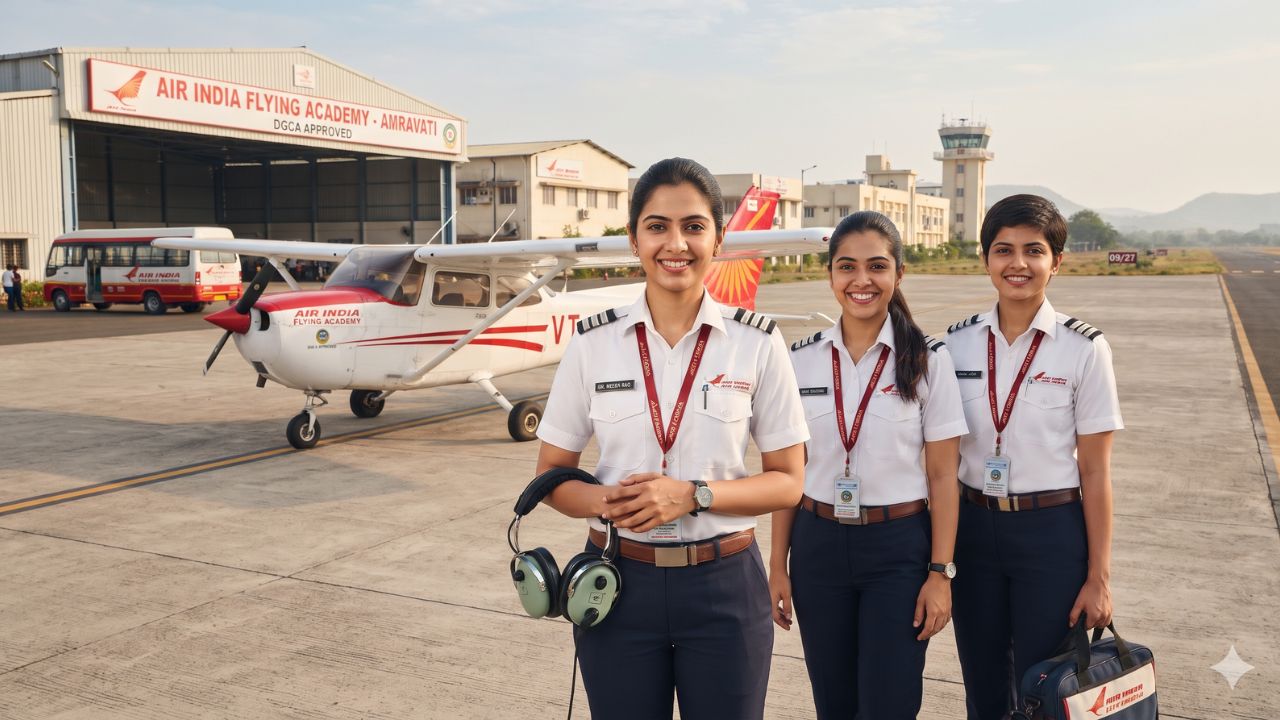
While India's domestic airlines carried an unprecedented 165.5 million passengers in financial year 2024–25 and regional air networks reached 166 operational airports, aspiring commercial aviators have long had to travel across the globe to complete foundational flight hours. That dynamic shifts toward domestic soil as Air India secured official regulatory approval from the Directorate General of Civil Aviation (DGCA) on 30 October 2026 to establish its premier airline-run flying training organisation at Belora Airport in Amravati, Maharashtra. Spanning a dedicated 10-acre campus outfitted with digital learning facilities, cadet residential halls, and a 34-aircraft training fleet, the facility establishes a major aviation education center directly beside the tiger corridors and hill sanctuaries of eastern Maharashtra's Vidarbha heartland.
Air India Secures DGCA Approval for Amravati Flying Academy at Belora Airport
The formal green light from the DGCA on 30 October 2026 marks the culmination of a long-term development strategy initiated on 1 July 2024, when Air India announced it had secured a 30-year award from the Maharashtra Airport Development Company to build and operate a specialized flying training organisation at Belora Airport. Rather than serving commercial airline passengers, the 10-acre residential campus is engineered exclusively to cultivate future airline pilots through rigorous classroom theory and hands-on cockpit instruction.
Air India has structured the Amravati facility around a planned fleet of 34 modern training aircraft, comprising 31 Piper Archer single-engine aircraft alongside three twin-engine Diamond DA42 NG aircraft. The ground training infrastructure incorporates three fixed-base simulation training devices, an operational command center, and a dedicated aircraft maintenance facility to ensure uninterrupted flight operations. Under the structured Commercial Pilot Licence curriculum, cadets undertake approximately 200 flying hours—divided into 185 single-engine flight hours and 15 multi-engine flight hours—across an estimated 18-month training duration. The carrier targets graduating 180 qualified commercial pilots annually once operations achieve full maturity.
Aviation analysts note that this western Indian facility works in direct tandem with Air India’s massive 600,000-square-foot training academy in Gurugram, Haryana. While the Gurugram campus concentrates on advanced simulator checks, cabin crew safety training, ground operations, and aircraft engineering, Amravati delivers primary ab-initio flying instruction where cadets master cross-country navigation, stall recovery, and twin-engine instrument ratings in clear Vidarbha airspace.
| Operational Feature | Confirmed Parameter / Facility Detail | Practical Strategic Purpose |
|---|---|---|
| Aviation Host Facility | Belora Airport, Amravati, Maharashtra | Regional civil airfield chosen for dependable weather and low commercial air traffic. |
| Regulatory Clearance Date | 30 October 2026 | Formal operational certification granted by the Directorate General of Civil Aviation. |
| Campus Footprint | 10 acres | Dedicated residential accommodation, digital classrooms, and maintenance hangar. |
| Total Training Fleet | 34 specialized aircraft | 31 Piper Archer single-engine aircraft and 3 Diamond DA42 NG twin-engine aircraft. |
| Flight Simulators | 3 fixed-base simulation training devices | Ground instrument training, emergency procedures, and cockpit workflow drills. |
| Curriculum Structure | 18-month Commercial Pilot Licence | 200 total flight hours (185 single-engine hours and 15 multi-engine hours). |
| Annual Cadet Target | 180 commercial pilots per year | Sustained domestic workforce pipeline for carrier expansion. |
| Commercial Passenger Impact | No scheduled passenger flights announced | Dedicated training installation; does not initiate public passenger bookings. |
Complementing this workforce initiative, Air India formalized a memorandum of understanding with the Ministry of Tourism on 27 July 2026 to coordinate destination marketing and showcase Indian heritage to international audiences. The training academy builds the human capital required to support an industry experiencing rapid expansion across domestic trunk routes and long-haul intercontinental corridors.
| Civil Aviation Indicator | Official Ministry Statistic | Historical Benchmark / Year-on-Year Growth |
|---|---|---|
| Domestic Air Passengers (FY 2024–25) | 165.5 million passengers | Rose from 153.7 million in FY 2023–24 (~7.7% historical increase). |
| International Air Passengers (FY 2024–25) | 74.14 million passengers | Expanded from 66.8 million passengers in FY 2023–24. |
| International Traffic (Calendar Year 2025) | 78.6 million passengers (provisional) | Rose by approximately 8.4% compared with 72.5 million in 2024. |
| Direct Global City Connections | 91 international destinations | Added Shanghai, Guangzhou, Siem Reap, Manila, Namangan, and Novosibirsk. |
| UDAN Regional Network (27 October 2026) | 166 operational airports nationwide | 677 operational regional routes carrying 1.72 crore (17.2 million) passengers. |
| UDAN Cumulative Flight Operations | 3.68 lakh (368,000) flights | Modified 10-year scheme approved March 2026 with ₹28,840 crore planned outlay. |
For curious travelers, clarity is essential: the 30 October 2026 DGCA approval does not inaugurate passenger flights, introduce budget ticket promotions, or alter existing airline timetables at Belora Airport. It provides an institutional training platform whose dividends will unfold through airline operational reliability in the years ahead.
What Makes Amravati and the Vidarbha Region Culturally and Geographically Unique
Amravati sits within Maharashtra’s historic Vidarbha territory, a region characterized by rich black basalt soil, ancient temple complexes, and sweeping teakwood forests. Far removed from the coastal humidity of Mumbai or the industrial corridors of Pune, Amravati serves as the cultural anchor of western Vidarbha. At its spiritual heart stands the ancient Ambadevi Temple, a revered red-stone shrine dedicated to Goddess Amba. Local lore celebrates this sacred sanctuary as the site from which Lord Krishna whisked away Princess Rukmini before her forced wedding, a mythological event commemorated during the annual Navratri festivities when thousands of pilgrims congregate around the temple courtyards.
Just two hours north of the training runways, the topography changes dramatically as the Deccan plateau surrenders to the Satpura mountain range. Here lies the pristine Melghat Tiger Reserve, designated among India’s initial nine Project Tiger reserves in 1973–74. Melghat—meaning "meeting of the ghats"—encompasses deep ravines, perennial hill streams, and dense dry deciduous teak forests. It shelters royal Bengal tigers, Indian leopards, sloth bears, sambar deer, and the critically endangered forest owlet (Heteroglaux blewitti), a rare nocturnal raptor rediscovered in the region after being feared extinct for more than a century.
Perched above Melghat at an elevation of 1,118 meters sits Chikhaldara, the sole hill station in Vidarbha. First brought to wider attention in 1823 by Captain Gardner of the Hyderabad Regiment, Chikhaldara is distinguished by misty precipices, British-era colonial cottages, and sprawling Arabica coffee estates that scent the cool mountain air. The ramparts of the 12th-century Gavilgarh Fort dominate the ridge line, where carved stone bastions and ancient water tanks overlook dramatic gorges dropping into the Purna River basin.
Culinary traditions in Vidarbha are equally distinct, centered on legendary Saoji cooking developed by the local Halba Koshti weaving community. Defined by a fiery roasted spice blend known as kala masala—combining stone flower, poppy seeds, black cardamom, and dry coconut—Saoji chicken and mutton curries deliver an intense, slow-burning heat that stands apart from sweeter western Maharashtrian dishes. In Amravati city, dawn begins with street vendors serving tarri poha, a comforting dish of thick flattened rice swimming in a spicy chickpea gravy, garnished with crisp sev, finely diced red onions, and fresh lemon wedges.
Visitor Insider Tips: Melghat Safaris, Chikhaldara Escapes, and Transit Logistics
- Base Your Arrival Through Nagpur International Airport: Because Belora Airport does not handle scheduled commercial passenger services, independent travelers should book flights into Dr. Babasaheb Ambedkar International Airport (NAG) in Nagpur, located 150 kilometers east. From Nagpur, hire an authorized prepaid taxi or drive along the Hindu Hrudaysamrat Balasaheb Thackeray Maharashtra Samruddhi Mahamarg expressway, completing the smooth transit to Amravati in under two and a half hours.
- Book Melghat Safari Permits Directly via Forest Portals: Avoid third-party booking agents charging inflated fees for tiger safaris. Access the official Maharashtra Forest Department booking system through the Maharashtra Tourism portal to reserve morning and afternoon open-top gypsy permits for the Semadoh, Kolkas, and Harisal buffer zones. The dry winter months from November through March provide pleasant morning temperatures and high wildlife visibility around watering holes.
- Stay at Colonial-Era Forest Rest Houses in Kolkas: For an immersive jungle stay, reserve rooms at the historic Kolkas Forest Rest House overlooking the Sipna River valley. Built during the British colonial period, the stone bungalow offers panoramic forest views where hornbills and giant squirrels frequent the surrounding mahua trees at sunrise.
- Navigate Chikhaldara by Private Vehicle: Public buses between Amravati and Chikhaldara run infrequently and struggle with steep hairpin bends along the Ghatang ascent. Renting a sturdy vehicle in Amravati or Nagpur gives you freedom to explore Hurricane Point, Devi Point, and the remote southern bastions of Gavilgarh Fort without relying on scarce mountain taxis.
- Savor Authentic Saoji Curries at Local Family Kitchens: When dining in Amravati or on the highway toward Badnera, look for small family-run Saoji bhojanalayas rather than westernized hotel restaurants. Request a mild spice level if you are sensitive to heat, and pair your curry with hot jowar bhakri (sorghum flatbread) and cool cucumber raita.
- Explore Vidarbha Handloom Weaving Communities: Visit nearby Achalpur and Ellichpur, where traditional weavers craft fine cotton sarees on pit looms. Purchasing handloom textiles directly from artisan cooperatives guarantees fair compensation for rural weavers and preserves centuries-old textile heritage supported by Incredible India cultural initiatives.
Cultural and Environmental Context: Aviation Ecology and Forest Conservation
The establishment of an advanced flight training academy at Belora Airport brings focused economic attention to an agricultural region while requiring thoughtful environmental balance. Flight schools operating continuous training circuits can generate localized acoustic impacts. Fortunately, Belora’s position well south of the sensitive Melghat buffer corridors ensures that low-altitude flight paths do not interfere with migratory bird flightways or disturb wildlife breeding zones across the Satpura ridges.
On the ground, training local youth in commercial aviation skills addresses economic disparities in the Vidarbha belt, historically known for agrarian challenges. The presence of international flight simulation systems, aircraft maintenance facilities, and certified flight instructors creates technical apprenticeship pathways for regional engineering graduates, supporting sustainable youth employment without encouraging outward urban migration.
Simultaneously, the region's ecotourism initiatives are becoming a vital bulwark against habitat loss. Indigenous Korku and Gond communities inhabiting the Melghat forests are increasingly employed as nature guides, forest trackers, and eco-lodge caretakers. By aligning regional connectivity with responsible ecotourism standards, Maharashtra demonstrates how modern transport investments and wildlife conservation can mutually sustain one another without compromising fragile ecosystems.
FAQ: Visiting Amravati and Vidarbha 2026
Can commercial airline passengers fly directly into Belora Airport in Amravati?
No. Air India’s DGCA approval on 30 October 2026 is strictly for a pilot training organization. Travelers should fly into Nagpur International Airport (NAG), 150 kilometers east, and travel by expressway to Amravati.
What is the best season to explore Amravati, Melghat, and Chikhaldara?
The optimal travel window spans from October through March. Winter brings crisp morning air, comfortable temperatures between 14°C and 28°C, and exceptional tiger safari conditions across Melghat.
Do I need special permits to enter Melghat Tiger Reserve?
Yes. Safari permits must be booked through official Maharashtra Forest Department portals. Advance booking is recommended for peak weekends and holiday periods between November and February.
How do I reach Chikhaldara hill station from Amravati?
Chikhaldara is located roughly 85 kilometers north of Amravati. The scenic mountain drive takes about two and a half hours via Paratwada and Ghatang along well-maintained state hill roads.
[Across the ancient ramparts of Gavilgarh and the peaceful skies over Belora, Vidarbha reveals a timeless Indian crossroads where wilderness heritage and soaring aviation horizons converge.]
Related Travel Guides
The Insider Guide to Melghat Tiger Safaris, Chikhaldara Hill Station, and Vidarbha Saoji Food, According To Reddit (Coming Soon)
This article is for informational purposes. Flight routes, passenger regulations, visa rules, and transit advisories are subject to change by airlines and aviation authorities. Readers are advised to verify schedules and travel documentation with relevant carriers and border agencies before departure.
Related Stories

Ultra-Comfortable Budget Flights: How Singapore, Japan, Malaysia, and Spain Are Redefining Long-Haul Low-Cost Air Travel

Alaska Airlines Connects Anchorage with Dallas, Austin, and Nashville in Summer 2027 Domestic Network Expansion