
Transit Security: Iran and Oman Coordinate Strait of Hormuz Corridor
Iran and Oman are establishing a technical shipping arrangement in the Strait of Hormuz to manage vessel transit and improve regional maritime stability.

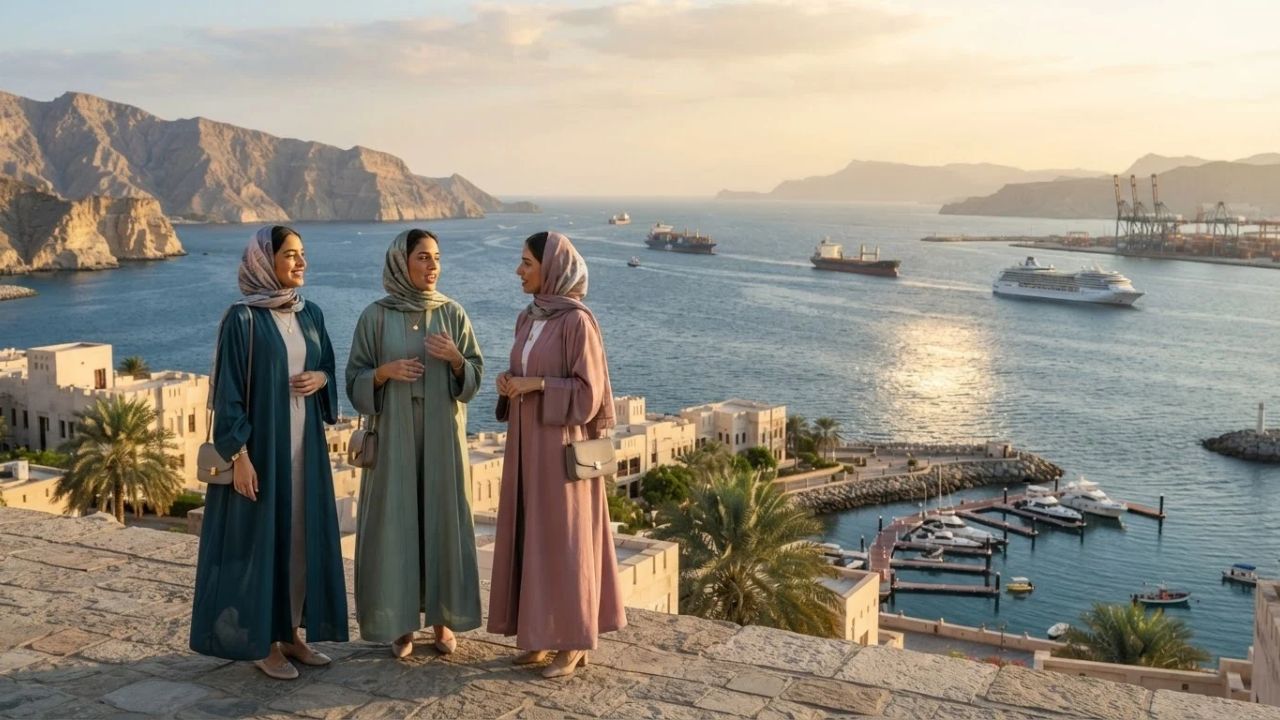
Image generated by AI
Iran and Oman are establishing a technical shipping arrangement in the Strait of Hormuz to manage vessel transit and improve regional maritime stability. Discussed by Iranian Foreign Minister Abbas Araghchi and Omani officials, the corridor establishes a structured framework for shipping operations.
Strategic Waterway Management and Technical Cooperation
A significant trend in maritime logistics is the separation of technical transit management from broader political negotiations. In highly contested international waterways, maintaining operational stability is vital for global trade and local economies. By establishing temporary shipping corridors, neighboring states manage ship movements, reduce security incidents, and build confidence among commercial transport operators.
For the regional travel market, stable transit conditions are vital. International cruise operators, yacht charters, and coastal resort complexes depend on predictable transit corridors. When transport routes are coordinated through structured communication channels, regional cruise networks can safely expand itineraries across Gulf ports.
The Strait of Hormuz Route Plan and Diplomatic Mediation
The maritime framework represents a collaborative effort to manage Gulf shipping:
- Temporary Corridor: The proposed agreement establishes an initial temporary navigation route for vessel transit, which could later become a permanent shipping lane.
- Muscat's Diplomatic Role: The Sultanate of Oman continues to serve as a key mediator, organizing technical discussions to coordinate shipping logistics between regional stakeholders.
- Abbas Araghchi's Statement: Iranian Foreign Minister Abbas Araghchi confirmed that talks regarding the route have made progress.
- Political Separation: Iranian authorities emphasize that the technical arrangement is separate from a full political reopening of the waterway, which remains linked to diplomatic negotiations with the United States.
This operational framework aims to manage transit issues while broader diplomatic discussions continue.
Gulf Cruise Tourism and Coastal Stability
The creation of a coordinated shipping corridor directly supports regional maritime tourism:
- Predictable Transport: Clear transit routes reduce operational risks for cruise liners planning itineraries through Gulf ports.
- Coastal Development: Maritime stability supports investments in waterfront complexes, deep-water marinas, and seaside dining districts in Oman and the UAE.
- Passenger Confidence: A structured corridor improves safety perceptions, encouraging international arrivals to book marine excursions in Gulf waters.
Muscat, in particular, relies on secure sea lanes to grow its cruise arrivals at Port Sultan Qaboos.
Strait of Hormuz Maritime Corridor Coordinates
The table below breaks down the transit corridor details, mediator roles, security frameworks, and tourism sectors established under the maritime talks:
| Waterway Passage | Primary Coordinating Partners | Technical Route Status | Key Diplomatic Mediator | Targeted Security Focus | Key Tourism Sector Impact |
|---|---|---|---|---|---|
| Strait of Hormuz | Iran & Oman | Temporary vessel corridor | Sultanate of Oman (Tehran-Muscat link) | Vessel collision prevention | Gulf cruise liners & yacht charters |
| Strategic Corridor | Foreign Minister Abbas Araghchi | Phased permanent transition | Ministry of Transport (Oman) | Safe navigation channels | Coastal resorts & passenger ports |
These coordinates outline the partners, route status, mediators, focus areas, and impacts established for the transit corridor.
Resource Stewardship and Safe Navigation
For the cruise passenger, the benefit of choosing vessels operating within coordinated routes is the reduction in safety hazards and transit delays. Utilizing structured shipping corridors helps prevent detours, reducing fuel consumption and carbon emissions per passenger-mile.
Additionally, supporting local port services, tour guides, and transport operators at terminal hubs helps direct tourist spending to regional economies. Following safety guidelines preserves coastal habitats along the Gulf of Oman.
For example, you can explore the changing dynamics of Diversification Boom: GCC Tourism Mega Projects Reshape Real Estate Markets to see how coastal projects expand Gulf hospitality. For shipping-related flight updates, comparing route connections matches other networks, such as the Transit Expansion: Myanmar Airways International Launches Novosibirsk Route updates. This trend is similar to the tourism growth seen in other destinations, as detailed in our guide on how Utica, New York Emerges as an Affordable Northeast Tourism Hub.
Visitor Insider Tips: Navigating Gulf Maritime Routes
If you are planning a cruise or marine excursion in the region, keep these practical tips in mind:
- Confirm Cruise Route Protocols: Check with your cruise line to ensure they operate within the newly coordinated Strait of Hormuz shipping channels.
- Coordinate Muscat Docking Times: Plan your visits to the Muttrah Souq around cruise arrivals at Port Sultan Qaboos to avoid crowds.
- Monitor Regional Maritime Alerts: Keep track of official travel advisories issued by the Oman Ministry of Transport for real-time safety updates.
- Prepare for Port Security Checks: Allow extra time for immigration and customs clearances at marine ports in Muscat and Khasab.
- Verify Visa Requirements for Sea Arrivals: Ensure your entry permit covers multi-country port arrivals under the GCC Grand Tours Visa framework.
Long-Term Outlook for Gulf Maritime Integration
The long-term outlook for Gulf travel is focused on introducing smart vessel tracking, upgrading deep-water ports, and establishing regional safety protocols. As cruise tourism expands, maritime authorities will rely on technical coordination to balance commercial cargo shipping with leisure passenger transit.
By implementing structured sea lanes and supporting port communities, the regional transport sector aims to build a reliable transit network.
FAQ
What is the new shipping arrangement in the Strait of Hormuz?
It is a technical framework discussed by Iran and Oman to establish a temporary vessel transit route to improve navigation security.
Who represents Iran in the maritime discussions?
Iranian Foreign Minister Abbas Araghchi has led shipping route talks on behalf of the Iranian government.
Does this agreement resolve all political disputes regarding the Strait?
No. Iranian officials have clarified that technical shipping arrangements are separate from a full political reopening of the Strait of Hormuz.
How does this corridor benefit Gulf tourism?
A stable shipping framework improves confidence among cruise line operators, supporting route planning and international arrivals in Gulf ports.
Stay updated on the regional transit guides and maritime routes shaping Gulf travel.
Related Travel Guides
Disclaimer
This article is for informational and educational purposes only. It does not constitute legal, financial, or professional advice. While we strive to provide accurate and up-to-date information, travel policies, regulations, and conditions change rapidly. Always verify information with official sources before making travel decisions. Nomad Lawyer makes no representations about the accuracy, reliability, completeness, or suitability of the information provided. Readers should consult qualified professionals for advice specific to their circumstances. The views expressed in this article are those of the author and do not necessarily reflect the views of Nomad Lawyer.
Raushan Kumar
Founder & Lead Developer
Full-stack developer with 11+ years of experience and a passionate traveller. Raushan built Nomad Lawyer from the ground up with a vision to create the best travel and law experience on the web.
Learn more about our team →