
Iran Launches Smart Tourist Debit Cards for Global Visitors and Medical Travelers in 2026
Iran introduces a new rechargeable Rial-based debit card system to bypass international banking restrictions, enabling cashless payments for tourists, business travelers, and medical patients.

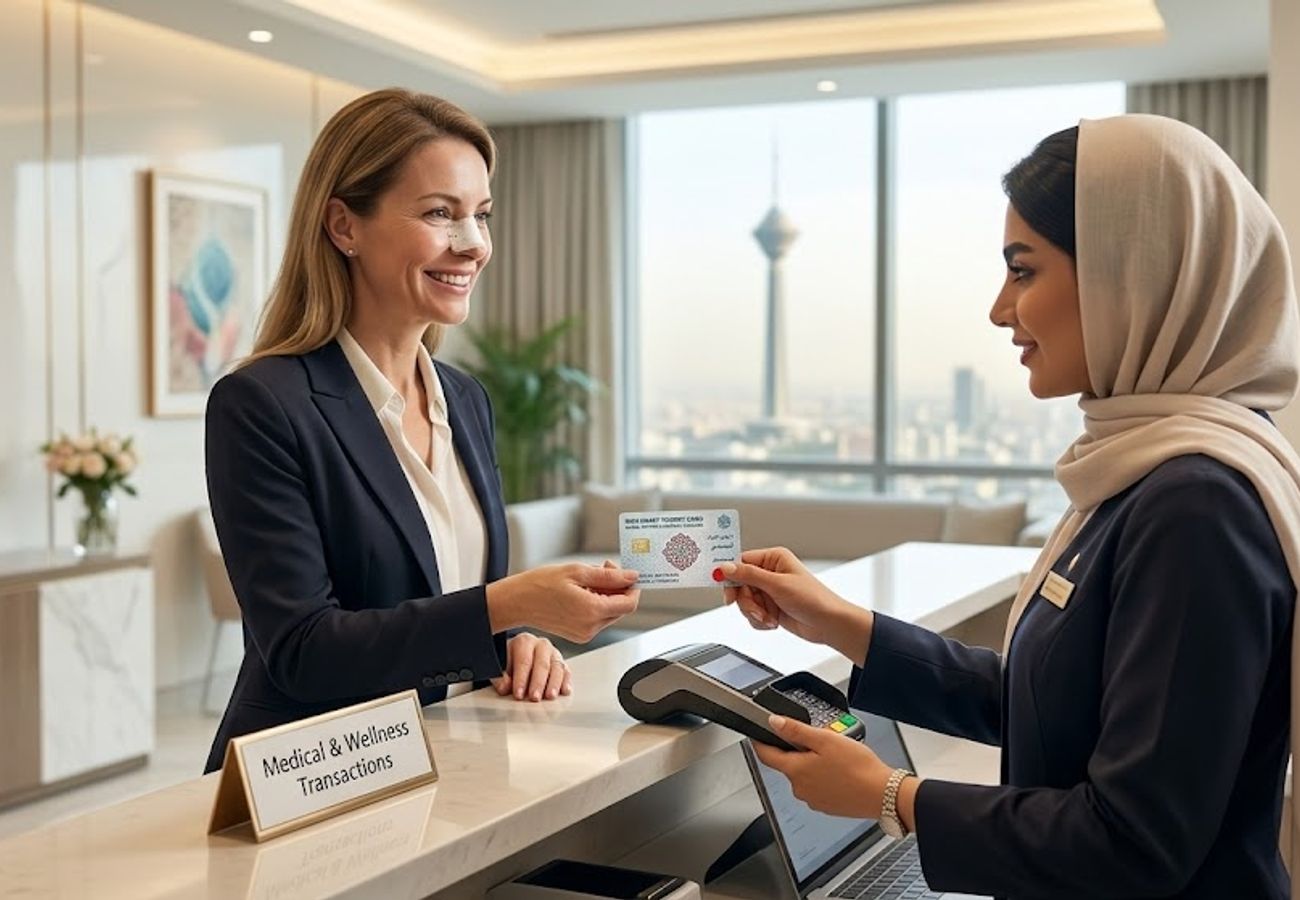
Image generated by AI
Foreign nationals visiting Iran can now bypass traditional banking hurdles through a new state-backed electronic payment initiative. This shift eliminates the systemic reliance on physical cash for international guests.
For years, the primary obstacle for travelers to Iran has been the disconnect between the domestic financial system and global payment networks. Because international bank cards typically do not function within the country, visitors were forced to carry significant amounts of physical currency, creating both security risks and logistical burdens.
The introduction of rechargeable, Rial-based tourist debit cards solves this friction by integrating foreign visitors directly into Iran’s domestic electronic payment infrastructure.
Strategic Access Points for Card Issuance
To ensure immediate utility upon arrival, the Iranian government has established a network of authorized issuance points. Travelers can secure their cards at the following locations:
- International airports and land border crossings.
- Licensed currency exchange centers.
- Designated banking facilities.
- Automated card issuance kiosks.
Once issued, these cards allow for seamless transactions across hotels, restaurants, retail stores, and transport providers. This infrastructure is particularly vital for those utilizing digital platforms for bookings or payments within the country.
Tailored Utility for Medical and Business Travel
While leisure tourists benefit from the ease of cashless shopping, the system provides specific advantages for high-value travel segments.
Medical Tourism Iran is a growing hub for specialized healthcare. Medical travelers can now use these cards to manage complex payment schedules for surgeries, consultations, and long-term care without the need for repeated cash conversions.
Business and Market Research For entrepreneurs and corporate visitors, the cards offer a professional way to handle daily operational expenses and local procurement during market research trips, providing a clear digital trail of expenditures.
Religious Pilgrimage Visitors attending major religious sites can now secure their accommodation and transport payments electronically, reducing the risk associated with carrying large sums of cash in crowded pilgrimage centers.
Card Management and Validity Rules
The new framework is designed with flexibility for both short-term visitors and long-stay residents.
| Feature | Policy Detail |
|---|---|
| Card Limit | Maximum of 2 active cards per traveler |
| Standard Validity | Aligned with the duration of the entry visa |
| Maximum Extension | Up to 6 months from the date of arrival |
| Funding Method | Top-ups via authorized exchange providers and financial centers |
| Replacement | Available via participating financial institutions if lost or stolen |
| Exit Option | Unused Rial balances can be converted back to foreign currency |
Digital Integration and Real-Time Monitoring
The payment system is further enhanced for travelers who acquire a locally registered Iranian SIM card. By linking their phone number to their debit card, visitors gain access to a suite of digital financial tools:
- Instant SMS Alerts: Real-time notifications for every transaction to prevent fraud and track spending.
- Mobile Banking Access: The ability to check current Rial balances and view detailed transaction histories.
- Currency Tracking: Access to updated foreign currency comparisons to better manage the value of their funds.
This digital layer transforms the card from a simple payment tool into a comprehensive financial management system, allowing travelers to maintain strict budget control across multiple cities.
Future-Proofing the Visitor Experience
By removing the "cash-only" barrier, Iran is positioning itself to be more competitive in the global tourism market. The ability to retain unused balances for future visits encourages repeat travel, while the option to convert remaining funds back into foreign currency upon departure removes the financial risk of over-funding the card.
This modernization effort signals a broader move toward a digital economy that is inclusive of international guests, regardless of the geopolitical restrictions affecting global banking networks.
A significant leap toward a frictionless, cashless experience for the global traveler in Iran.
Related Travel Guides
Disclaimer
This article is for informational and educational purposes only. It does not constitute legal, financial, or professional advice. While we strive to provide accurate and up-to-date information, travel policies, regulations, and conditions change rapidly. Always verify information with official sources before making travel decisions. Nomad Lawyer makes no representations about the accuracy, reliability, completeness, or suitability of the information provided. Readers should consult qualified professionals for advice specific to their circumstances. The views expressed in this article are those of the author and do not necessarily reflect the views of Nomad Lawyer.
Raushan Kumar
Founder & Lead Developer
Full-stack developer with 11+ years of experience and a passionate traveller. Raushan built Nomad Lawyer from the ground up with a vision to create the best travel and law experience on the web.
Learn more about our team →