India's Luggage Market Pivot: Shift Toward Specialized Travel Gear and Smart Cabin Solutions in 2026

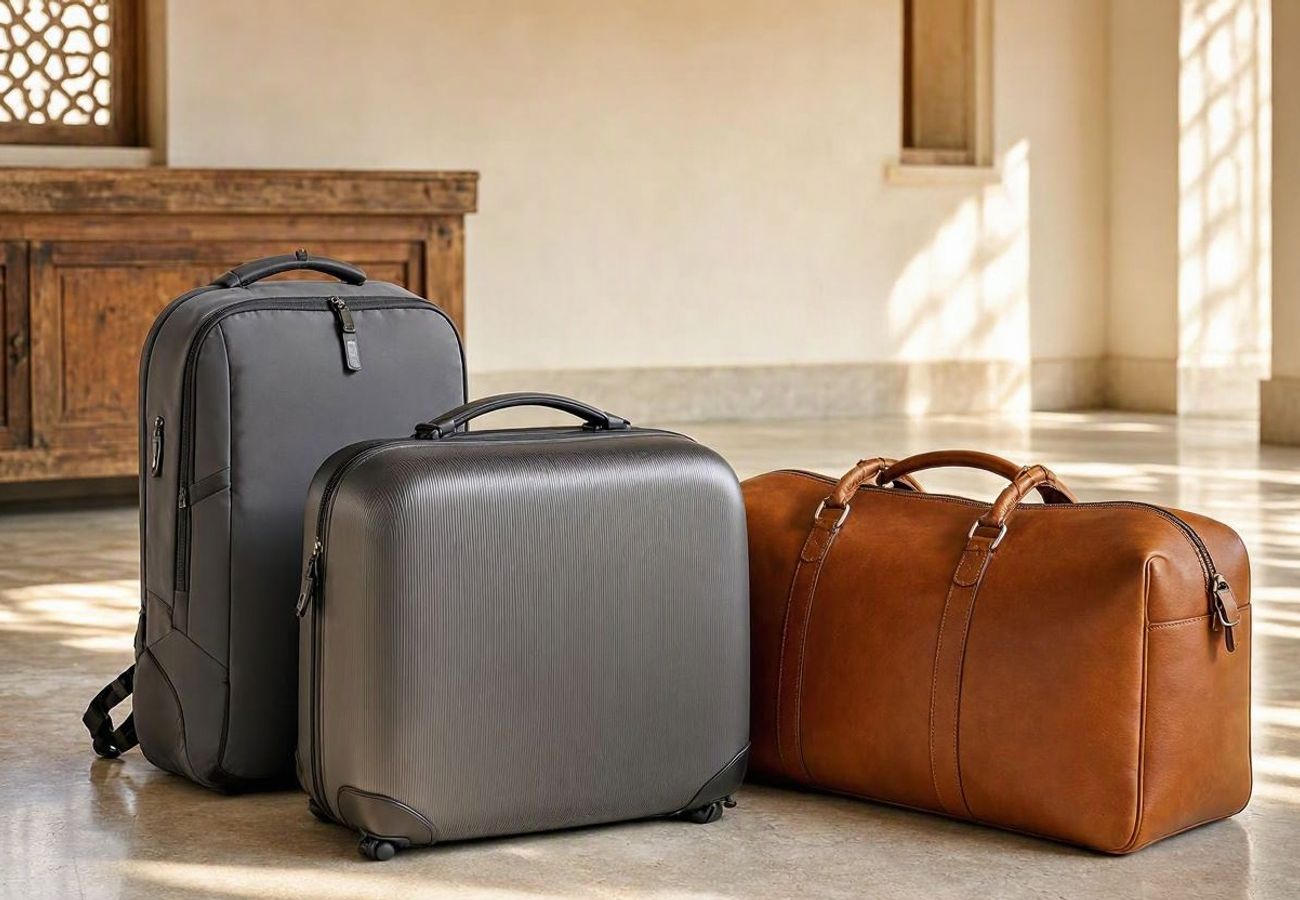
Image generated by AI
A fundamental shift in consumer psychology is dismantling the traditional Indian habit of purchasing a single, oversized suitcase intended to last a decade. In its place, a new era of "collection-based" ownership has emerged, driven by a surge in multi-trip annual schedules that blend corporate obligations with leisure exploration. This transition reflects a broader evolution in how the modern Indian traveler views their gear: no longer as mere storage, but as a strategic tool for efficiency.
The Death of the Universal Suitcase
For decades, the Indian household viewed luggage through the lens of extreme utility and longevity. A single, large suitcase served as the primary vessel for annual family pilgrimages or rare international excursions. The primary metric for value was sheer durability—the ability of a bag to withstand years of storage and occasional heavy use.
However, the 2026 travel landscape is defined by frequency. The rise of "bleisure" (business + leisure) travel, short-haul weekend getaways, and an increase in outbound international tourism has rendered the universal suitcase obsolete. Travelers now curate a portfolio of bags tailored to specific journey profiles. A corporate trip to Bangalore requires a different architectural approach than a two-week tour of Europe or a quick weekend escape to the hills.
This diversification is pushing the market toward a lifestyle-centric model. Luggage is now an extension of personal branding and travel efficiency, where the choice of a bag is dictated by the specific logistical demands of the itinerary rather than a general need for storage.
Data Breakdown: Journey-Specific Luggage Requirements
The shift toward specialized gear is best illustrated by the alignment of luggage types with specific travel intents. The following table outlines the current preference patterns among Indian travelers in 2026.
| Travel Intent | Preferred Luggage Type | Primary Driver | Key Feature Requirement |
|---|---|---|---|
| Weekend Getaways | Cabin Suitcase | Speed/Mobility | Lightweight, 360-degree wheels |
| Corporate Travel | Laptop-Integrated Cabin Bag | Professionalism | Dedicated tech compartments, front-access |
| Long-Haul International | Large Check-in Suitcase | Volume/Protection | High-impact shells, secure zips |
| Casual/Adventure Trips | Duffle Bag | Flexibility | Soft-sided, adaptable shapes |
| Daily Commute/Transit | Backpack | Ergonomics | Weight distribution, organization |
Expert Analysis: The Strategic Pivot to Cabin-Centric Travel
For the modern traveler, the most significant tactical shift is the prioritization of cabin luggage over checked baggage. This is not merely a preference for smaller bags, but a calculated response to the tightening of airline hand-baggage policies and the desire to bypass the volatility of baggage reclaim carousels.
India's luggage market is experiencing a significant shift toward specialized travel gear and smart cabin solutions in 2026, driven by the growing demand for convenient and efficient travel experiences. According to the Ministry of Tourism, Government of India, the country's tourism industry is expected to witness a substantial surge in the coming years, leading to an increased focus on innovative luggage solutions. As a result, manufacturers are now investing heavily in research and development to create high-quality, functional luggage that meets the evolving needs of travelers.
The direct consequence for the consumer is a heightened demand for "intelligent" space management. When the total volume is restricted by International Air Transport Association (IATA) standards or specific airline mandates, the value of the luggage shifts from how much it holds to how it is organized. We are seeing a surge in demand for front-access pockets and dedicated laptop sleeves that allow travelers to clear security checkpoints without unpacking their entire bag.
Furthermore, the material science of luggage is evolving. There is a clear migration toward polycarbonate and polypropylene. These materials provide a critical balance: they are light enough to keep the total weight under strict airline limits but durable enough to withstand the rigors of international transit. For the traveler, this means a reduction in "dead weight"—the weight of the suitcase itself—allowing for more actual packing capacity.
From a pricing perspective, this shift toward a "collection" model increases the total lifetime spend per traveler. Instead of one high-cost purchase every ten years, consumers are making multiple mid-to-high-range purchases every few years to keep their gear aligned with current airline regulations and style trends.
The Sustainability Paradox: Durability as Ecology
Sustainability in the Indian luggage sector has moved past the superficial use of recycled plastics. The current trend is "practical sustainability," where the longest possible product lifespan is viewed as the most ecological choice.
Consumers are now scrutinizing the "repairability" of their gear. The ability to replace a broken wheel or a faulty handle without discarding the entire chassis has become a competitive advantage for premium brands. This shift mirrors global movements toward a circular economy, where the goal is to reduce the volume of polycarbonate waste entering landfills.
The shift toward specialized travel gear and smart cabin solutions is also being driven by advancements in passenger logistics and airport infrastructure, with major airports such as the Delhi International Airport Limited investing in state-of-the-art facilities and technologies to enhance the overall travel experience. With the introduction of smart luggage tags, automated baggage handling systems, and other innovative solutions, passengers can now enjoy a more seamless and efficient journey. As the Indian luggage market continues to evolve, it is likely that we will see even more innovative solutions emerge, further transforming the way we travel.
Travelers are increasingly looking for brands that offer robust after-sales support and modular components. A suitcase that can be serviced is now more attractive than a "green" suitcase that must be replaced entirely when a single component fails.
Key Takeaways
- Portfolio Ownership: Indian travelers are moving from owning one universal suitcase to maintaining a collection of specialized bags (cabin, check-in, duffle, backpack).
- Cabin Priority: Increased flight frequency and baggage fees are driving a massive surge in demand for high-efficiency, airline-approved cabin luggage.
- Material Evolution: Polycarbonate and polypropylene have become the gold standard for balancing impact resistance with weight reduction.
- Functional Aesthetics: Style is no longer secondary; luggage is now treated as a fashion accessory that must also solve logistical problems like tech access and organization.
- Practical Sustainability: The market is shifting toward "repair over replace," prioritizing modular components and long-term durability to reduce waste.
FAQ: India Luggage Trends 2026
What is the best material for international travel in 2026? Polycarbonate and polypropylene are currently preferred. They offer superior impact resistance and are significantly lighter than traditional hard-shell materials, helping travelers stay within airline weight limits.
Why are cabin bags becoming more popular than check-in luggage? Travelers want to avoid long wait times at baggage carousels and reduce the risk of lost luggage. Additionally, the rise of short-term "bleisure" trips makes smaller, more mobile bags more practical.
How has the "one suitcase" mentality changed in India? Instead of buying one durable bag for a decade, travelers now buy different bags for different purposes—such as a laptop-friendly bag for business and a large hardshell for international vacations.
What "smart features" should I look for in new luggage? Prioritize front-access laptop compartments, 360-degree silent spinner wheels, TSA-approved locks, and internal compression systems to maximize space in cabin-sized bags.
The suitcase is no longer a box for clothes; it is a piece of travel infrastructure.
Related Travel Guides
This article is for informational purposes. Flight routes, passenger regulations, visa rules, and transit advisories are subject to change by airlines and aviation authorities. Readers are advised to verify schedules and travel documentation with relevant carriers and border agencies before departure.
Related Stories
US and Global Biometric Border Shifts: Analyzing the 2027 Passport and E-Gate Transformation

Exploring Canada's 29 Most Stunning Lakes: Insider Guide to Alberta, BC, and Ontario 2026