
Solo Travel Boom Shatters Global Tourism Rules: Africa Safari Lodges See 45% Solo Demand Surge in 2026
Independent explorers are rewriting luxury travel. African high-end lodges report 45% year-over-year surge in solo bookings as travelers demand hyper-customized experiences over group tours.

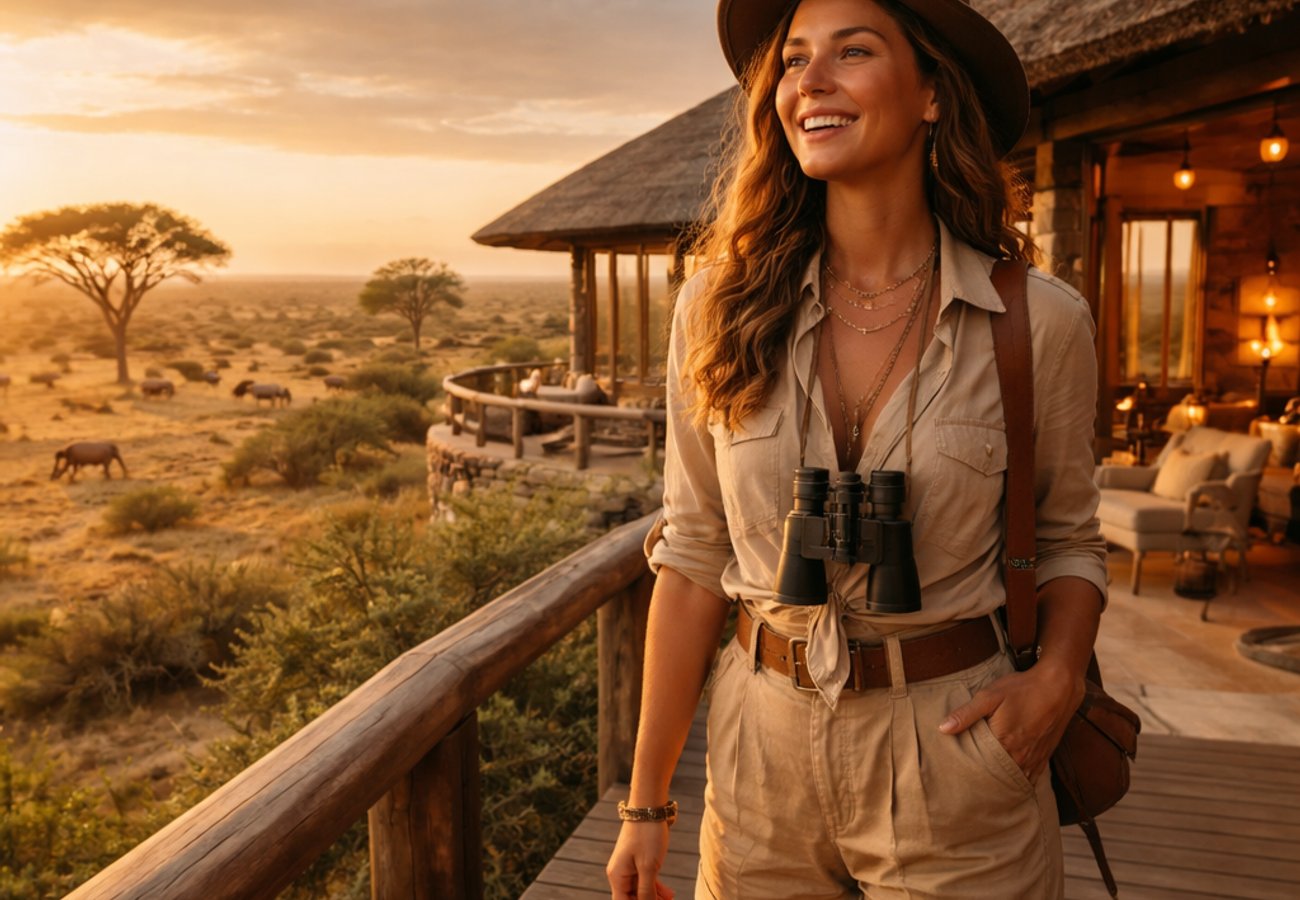
Image generated by AI
The global tourism industry just hit a pivotal inflection point. In June 2026, solo travel interest reached an all-time high, forcing hospitality operators worldwide to completely abandon their decades-old group-centric business models. The shift isn't marginal—it's seismic.
What we're witnessing is the end of one-size-fits-all vacation packages. Independent explorers are no longer satisfied with budget accommodations and pre-arranged itineraries. They're demanding hyper-customized experiences, premium amenities, and absolute freedom to craft their own journeys. The hospitality industry has no choice but to comply or face irrelevance.
The Money is Staggering: Why Solo Travelers Are Now Tourism's Most Valuable Demographic
Here's where this gets interesting financially. Solo travelers are spending $4,200 to $6,800 per international journey—roughly 40% more than group travelers on a per-capita basis. That's not pocket change. That's transformational capital flowing directly into the luxury hospitality sector.
This spending surge is completely rewriting real estate investment strategies across the globe. Major hotel developers are abandoning the construction of sprawling family suites. Instead, they're pouring billions into boutique, tech-enabled single-occupancy quarters designed for maximum personalization and profit margins. These architectural shifts generate 30% to 40% higher net profit margins than traditional room configurations.
The cascading economic effects ripple outward. When operators earn these premium margins, they can afford to pay localized hospitality experts substantially higher wages. Communities in rural Africa, Southeast Asia, and Central America suddenly have sustainable, high-skill employment opportunities that don't require urban migration. This creates what amounts to ethical tourism infrastructure that actually benefits native populations rather than extracting from them.
Reddit: "I spent $5,400 on a two-week solo African safari. Every penny went to local guides, eco-lodges, and conservation efforts. Group tours would've cost the same but paid wages to international corporations instead." — r/solotravel
Africa's Safari Industry Is Experiencing Its Most Dramatic Transformation
The numbers from Africa's premium wilderness sector are staggering. Elite safari lodges throughout the continent are reporting a 45% year-over-year increase in single-occupant reservation demands. This isn't a projection. This is happening right now.
Operators are responding by eliminating the historical surcharge penalties imposed on solo travelers. They're now providing dedicated private safari transport vehicles and completely customizable daily excursion matrices. Guests no longer conform to rigid group schedules. Instead, they dictate whether they want pre-dawn wildlife tracking, solo photography sessions, or leisurely morning reflections—entirely on their own terms.
This operational flexibility is raising the bar for what luxury service truly means in remote wilderness environments. Conservation lodges in iconic African parks are systematically abandoning rigid group tour itineraries. The result? Clients receive the kind of bespoke attention that was previously reserved only for ultra-high-net-worth individuals booking entire private reserves.
The Experiential Luxury Revolution: Beyond Standard Accommodations
The transformation extends far beyond safari lodges. Elite wellness sanatoriums, Michelin-starred culinary operations, and adventure expedition planners are all restructuring their core business systems simultaneously.
Master chefs are redesigning dining establishments to feature extensive counter seating optimized for individual patrons. These aren't afterthought accommodations—they're intentional design features that celebrate solitary dining as a premium, desirable experience. Wellness facilities are engineering diagnostic programs centered entirely on solitary psychological restoration rather than forced group sessions.
This cross-industry shift is also creating unexpected collaboration opportunities. Luxury fashion brands are partnering with remote property developers to understand what modern solo travelers actually want: not ostentatious displays of wealth, but exclusive access to the world's most pristine, untouched locations. Technology firms are installing satellite connectivity and advanced tracking systems in remote outposts, ensuring safety while enabling seamless global communication.
The luxury market definition is fundamentally changing. It's no longer about how much money you can spend. It's about what exclusive, authentic experiences you can access that others cannot.
Why This Matters for Travel Law and Visa Policy
The surge in independent travel carries significant legal implications. As solo travelers bypass traditional tour operators and booking agencies, they're interacting directly with local hospitality providers, guides, and conservation organizations. This creates new contractual frameworks, liability considerations, and international service agreements that didn't previously exist at scale.
Additionally, the concentration of high-value travelers in specific African destinations creates new regulatory opportunities for governments seeking to implement sustainable tourism taxation and environmental protection policies. Countries like Kenya, Tanzania, and Botswana are quietly restructuring their tourism licensing frameworks to capture this wealth in ways that benefit conservation efforts and local communities.
For travelers, understanding these evolving legal landscapes—from contract terms with private lodge operators to travel insurance requirements for remote regions—has become essential. The digital nomad and luxury solo travel sectors are outpacing regulatory clarity in most African nations.
The Bottom Line: A Permanent Shift, Not a Temporary Trend
This isn't a cyclical market fluctuation. The fundamental motivations driving independent explorers have become too sophisticated to reverse. Modern solo travelers possess the financial independence, digital connectivity, and psychological confidence to design their own itineraries. The hospitality industry is responding with record-speed infrastructure overhauls because they recognize what's at stake.
Africa's safari operators, boutique resort chains, and experiential travel providers have recognized this reality first. They're investing aggressively in the technology, training, and customization capabilities required to serve the next generation of travelers. Everyone else will follow.
The age of cookie-cutter group tourism is officially over—and Africa's luxury hospitality sector is leading the transformation.
Related Travel Guides
Disclaimer
This article is for informational and educational purposes only. It does not constitute legal, financial, or professional advice. While we strive to provide accurate and up-to-date information, travel policies, regulations, and conditions change rapidly. Always verify information with official sources before making travel decisions. Nomad Lawyer makes no representations about the accuracy, reliability, completeness, or suitability of the information provided. Readers should consult qualified professionals for advice specific to their circumstances. The views expressed in this article are those of the author and do not necessarily reflect the views of Nomad Lawyer.
Raushan Kumar
Founder & Lead Developer
Full-stack developer with 11+ years of experience and a passionate traveller. Raushan built Nomad Lawyer from the ground up with a vision to create the best travel and law experience on the web.
Learn more about our team →