
Meghalaya, Kerala, Chhattisgarh, and Karnataka Unveil Eight Late-Monsoon Waterfall Corridors Across India for September 2026 Travelers
India's top eight monsoon waterfalls reach peak water flow in September. View transit routes for Athirappilly, Nohkalikai, Chitrakote, and Shivanasamudra.

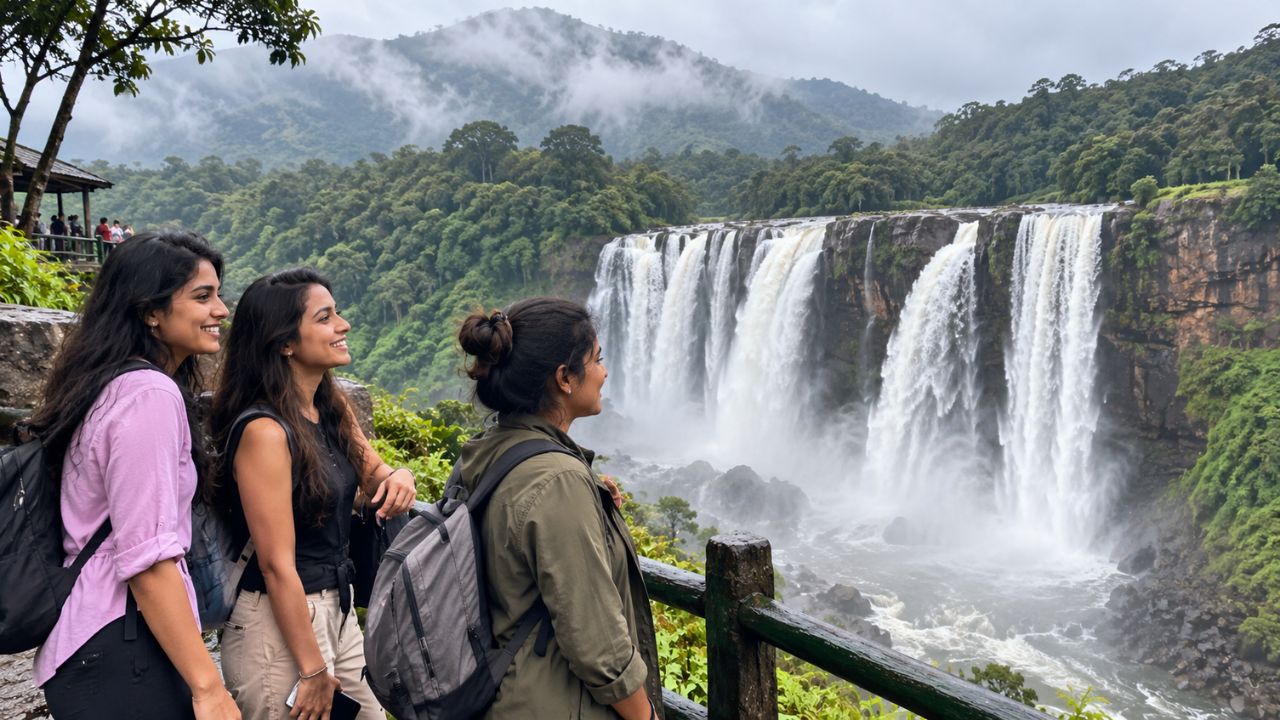
Image generated by AI
As the southwest monsoon enters its final weeks in September 2026, state tourism departments across Meghalaya, Kerala, Chhattisgarh, Karnataka, Madhya Pradesh, Maharashtra, and Tamil Nadu are updating transit advisories for eight major natural waterfall corridors.
SHILLONG, India — Late monsoon water flows across India's primary river basins have created peak viewing conditions across the country's most dramatic waterfall systems. According to seasonal bulletins from Meghalaya Tourism and regional transport boards, September and October offer optimal transit conditions: river volumes remain high from seasonal rains while heavy downpours subside, improving highway visibility and road safety for road-trippers.
From the 340-meter plunge of Nohkalikai in the East Khasi Hills to the 300-meter wide cascade of Chitrakote on the Indravati River, these eight sites represent primary eco-tourism destinations accessible via regional airport and rail networks.
Core Transit Update: Eight Premier Indian Monsoon Waterfall Corridors
The late-monsoon travel window allows visitors to witness heavy river discharge while avoiding the severe weather disruptions common during July and August.
| Waterfall & State | River System / Origin | Height & Width Specifications | Primary Gateway Airport (IATA) | Road Distance & Transit Hub |
|---|---|---|---|---|
| Athirappilly Falls (Kerala) | Chalakudy River | 25-Meter Drop (Broad Cascade) | Cochin International (COK) | 40 km from COK; Chalakudy Rail Station (30 km) |
| Chitrakote Falls (Chhattisgarh) | Indravati River | ~300-Meter Width (Horseshoe Shape) | Swami Vivekananda Raipur (RPR) | 38 km from Jagdalpur; 285 km from Raipur |
| Nohkalikai Falls (Meghalaya) | Rain-fed Limestone Plateau | 340-Meter Plunge (Highest in India) | Guwahati Lokpriya Gopinath (GAU) | 54 km from Shillong; 165 km from Guwahati |
| Shivanasamudra Falls (Karnataka) | Kaveri River | Gaganachukki (98m Drop) & Bharachukki | Kempegowda Bengaluru (BLR) | 130 km from Bengaluru; Mysuru Junction (85 km) |
| Dhuandhar Falls (Madhya Pradesh) | Narmada River | 10-Meter Drop (Marble Gorge Mist) | Jabalpur Dumna Airport (JLR) | 30 km from Jabalpur Junction |
| Thoseghar Waterfalls (Maharashtra) | Western Ghats Streams | 200-Meter System Drop | Pune International (PNQ) | 25 km from Satara Railway Station |
| Bhambavli Vajrai (Maharashtra) | Urmodi River / Kaas Plateau | 260-Meter Multi-Tier Plunge | Pune International (PNQ) | 27 km from Satara; near Kaas Plateau |
| Hogenakkal Falls (Tamil Nadu) | Kaveri River | Multi-Channel River Canyon | Kempegowda Bengaluru (BLR) | 60 km from Salem Junction; 150 km from Bengaluru |
Detailed Breakdown of the Eight Waterfall Destinations
1. Athirappilly Falls — Thrissur District, Kerala
Recognized as the largest waterfall in Kerala, Athirappilly spans the Chalakudy River before plunging 25 meters into tropical forest reserves.
- Transit Access: Situated 40 km from Cochin International Airport (COK). Taxis and KSRTC state buses connect Chalakudy Railway Station directly to the falls entrance.
2. Chitrakote Falls — Bastar District, Chhattisgarh
Often referred to as the "Niagara of India," Chitrakote expands up to 300 meters in width during peak river discharge.
- Transit Access: Located 38 km from Jagdalpur town. Daily state transport buses and private rentals connect via the Jagdalpur-Chitrakote Highway.
3. Nohkalikai Falls — East Khasi Hills, Meghalaya
Plunging 340 meters off a limestone cliff near Sohra (Cherrapunji), Nohkalikai is India’s tallest single-drop plunge waterfall.
- Transit Access: Fly into Guwahati (GAU) or Shillong (SHL), continuing via private vehicle along the scenic Shillong-Sohra Highway.
4. Shivanasamudra Falls — Mandya District, Karnataka
The Kaveri River splits around Shivanasamudra Island to form the twin cascades of Gaganachukki (98-meter drop) and Bharachukki.
- Transit Access: Located 130 km southwest of Bengaluru via the Bengaluru-Mysuru Expressway (NH-275) and Malavalli road.
5. Dhuandhar Falls — Jabalpur District, Madhya Pradesh
The Narmada River narrows through Bhedaghat's famous marble rocks before dropping 10 meters, generating heavy mist.
- Transit Access: Located 30 km from Jabalpur Junction railway station, easily reachable via local auto-rickshaws and city buses.
6. Thoseghar Waterfalls — Satara District, Maharashtra
Set within a deep Western Ghats forest gorge, Thoseghar features a series of cascades anchored by a 200-meter main drop.
- Transit Access: Located 25 km from Satara railway station along the Satara-Chalkewadi road.
7. Bhambavli Vajrai Waterfall — Satara District, Maharashtra
Dropping 260 meters across three tiers near the UNESCO-listed Kaas Plateau flower valley.
- Transit Access: Located 27 km from Satara. Visitors navigate a designated 1-kilometer walking trail to safe viewing platforms.
8. Hogenakkal Falls — Dharmapuri District, Tamil Nadu
Where the Kaveri River enters Tamil Nadu through a rocky canyon, famous for coracle boat rides during moderate river flows.
- Transit Access: Located 60 km from Salem Junction and 150 km from Bengaluru via the Dharmapuri corridor.
Traveler Logistics Guide: Monsoon Road Safety & Transport Planning
Visiting river and mountain waterfalls during the late monsoon requires specific safety and transport precautions.
1. Monsoon Road Safety and Driving Conditions
- Western Ghats & North-East Roads: Highways leading to Thoseghar, Vajrai, and Nohkalikai feature fog and moisture-slick surfaces. Rent vehicles with high ground clearance (SUVs) and hire local drivers familiar with mountain curves.
- Landslide Watch: Monitor regional India Meteorological Department (IMD) rainfall alerts before traveling along rural Ghat sections.
2. Riverbed Safety & Flash Flood Restrictions
- Strict Safety Boundaries: Never cross established safety barriers or enter riverbeds upstream of waterfalls like Hogenakkal or Athirappilly. Sudden reservoir releases or upstream rainfall can trigger rapid water surges within minutes.
- Boating Restrictions: Coracle rides at Hogenakkal and boat safaris near Bhedaghat are subject to temporary suspension by local authorities if water discharge exceeds safety thresholds.
3. Airport Gateway & Vehicle Hire Buffers
- Northeast Transit Buffer: When flying out of Guwahati (GAU) after visiting Meghalaya waterfalls, allow a minimum 4-hour buffer for the Sohra-Shillong-Guwahati highway transfer due to heavy hill traffic.
Regional Economic and Eco-Tourism Infrastructure Assessment
Late-monsoon waterfall tourism provides vital revenue for local rural communities, village guides, and state tourism corporations. Infrastructure improvements—including raised viewing decks, paved access trails, and reinforced safety railings installed by state forestry departments—allow high visitor volumes to experience these natural sites without encroaching on fragile riverbank ecosystems.
By promoting controlled late-monsoon travel, regional authorities distribute tourist traffic across a longer seasonal window, supporting local transport operators and hospitality venues into autumn.
FAQ: India Monsoon Waterfalls & Travel
Which is the tallest plunge waterfall in India? Nohkalikai Falls in Meghalaya is India's tallest single-drop plunge waterfall, dropping approximately 340 meters near Sohra (Cherrapunji).
How far is Athirappilly Falls from Cochin Airport? Athirappilly Falls in Kerala is located approximately 40 kilometers from Cochin International Airport (COK), taking about 1 hour by road.
What is the best time of year to view Chitrakote Falls in Chhattisgarh? September and October offer the best balance of massive water flow across its 300-meter horseshoe width and clear road travel conditions following peak monsoon rains.
Related Travel Guides
Disclaimer
This article is for informational and educational purposes only. It does not constitute legal, financial, or professional advice. While we strive to provide accurate and up-to-date information, travel policies, regulations, and conditions change rapidly. Always verify information with official sources before making travel decisions. Nomad Lawyer makes no representations about the accuracy, reliability, completeness, or suitability of the information provided. Readers should consult qualified professionals for advice specific to their circumstances. The views expressed in this article are those of the author and do not necessarily reflect the views of Nomad Lawyer.
Raushan Kumar
Founder & Lead Developer
Full-stack developer with 11+ years of experience and a passionate traveller. Raushan built Nomad Lawyer from the ground up with a vision to create the best travel and law experience on the web.
Learn more about our team →