
Kerala Tourism Targets 200,000 Arab Visitors and ₹5,000 Crore Revenue in 2026 Growth Push
Kerala is aggressively expanding its tourism footprint in the Middle East, aiming for 200,000 Arab arrivals and ₹5,000 crore in revenue through luxury and wellness travel.

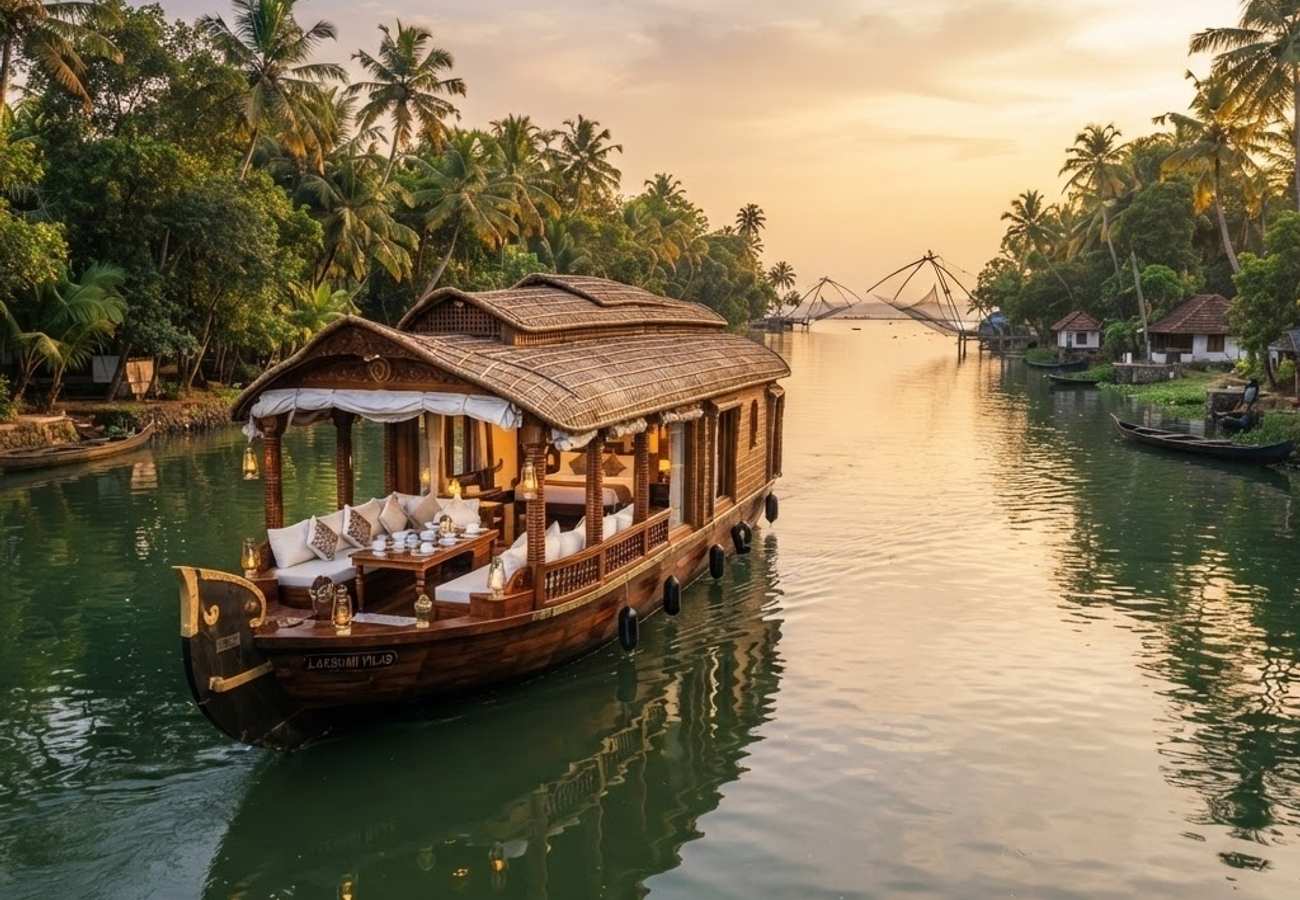
Image generated by AI
Kerala is aggressively targeting a surge in Middle Eastern arrivals, setting an ambitious goal of 200,000 Arab tourists and nearly ₹5,000 crore in revenue to capitalize on growing Gulf demand.
The state of Kerala is pivoting its international marketing strategy to prioritize the Arab world, viewing the region as a primary engine for future economic growth. This strategic shift follows a period of rapid expansion in the Middle Eastern segment, which has already proven to be one of the fastest-growing international visitor demographics for the region.
Industry data reveals that in 2025, Kerala recorded approximately 1.22 lakh Arab tourist arrivals, which generated more than ₹3,000 crore in revenue. This performance has prompted the tourism department to scale up destination promotion and forge deeper business ties to sustain this upward trajectory.
Arab Markets Pivot in Kerala's Global Expansion Strategy
The current approach focuses on attracting high-net-worth individuals from the Middle East who demonstrate a strong preference for luxury leisure, wellness retreats, and specialized healthcare services. By shifting focus toward these high-value travelers, the state aims to increase the average spend per visitor.
Oman, Saudi Arabia, and the United Arab Emirates have emerged as the primary contributors to this growth. A significant shift in market dynamics occurred in 2024, when Oman entered the top 10 inbound tourism markets for Kerala, notably surpassing traditional European strongholds such as France and Germany.
The appeal for Gulf travelers lies in Kerala's diverse ecosystem, which blends high-end hospitality with natural attractions. The state's backwaters, hill stations, and heritage sites are being marketed as premium destinations for those seeking extended stays and personalized experiences.
Strategic Goal of 200,000 Arab Arrivals
The state has formalized a growth plan to reach 200,000 Arab tourist arrivals within the coming year. This target is not merely about volume but about the economic multiplier effect across the local tourism infrastructure.
The anticipated influx is expected to provide a substantial boost to several key sectors:
- Hospitality: Increased occupancy for luxury resorts and boutique hotels.
- Transport: Higher demand for premium car rentals and domestic flight connections.
- Wellness: Expanded bookings for traditional Ayurvedic centers.
- Local Commerce: Increased spending at heritage sites and local artisanal markets.
Because Arab travelers typically prefer longer holidays and higher-quality accommodations, their presence helps stabilize the tourism economy. By attracting visitors from the Gulf, Kerala can mitigate the volatility of traditional seasonal travel patterns, ensuring a more consistent flow of revenue throughout the calendar year.
Indo-Arab Connect 2026 Drives B2B Partnerships
A pivotal moment in this expansion was the Indo-Arab Connect 2026 Tourism Summit, which served as a high-level networking hub for industry stakeholders. The event focused on bridging the gap between Indian service providers and Middle Eastern travel agencies.
The scale of the summit underscored the ambition of the initiative:
- Participation: Over 162 tour operators from 10 Arab nations joined nearly 200 Indian stakeholders.
- Networking: The event facilitated a staggering 16,632 business meetings.
- Market Reach: Travel agents from Saudi Arabia, Qatar, Jordan, Egypt, Oman, and the UAE participated.
- Regional Synergy: More than 100 exhibitors from the Maldives, Sri Lanka, and India presented offerings in healthcare and hospitality.
These interactions allowed for the creation of bespoke travel packages tailored specifically to the cultural and luxury preferences of Arab travelers, strengthening the logistical pipeline for future arrivals.
Integration of Medical and Wellness Tourism
A cornerstone of the attraction for Middle Eastern visitors is the synergy between luxury travel and healthcare. Kerala's globally recognized Ayurveda and traditional healing sectors are major draws for those seeking holistic wellness combined with medical treatment.
Many travelers from the Gulf region seek destinations that can offer high-standard medical facilities alongside serene environments for recovery and relaxation. This "medical-wellness" hybrid model gives Kerala a distinct competitive edge over other regional destinations.
The strategy emphasizes the development of private holiday experiences and nature-based luxury products, ensuring that the infrastructure meets the specific privacy and quality standards expected by premium Arab travelers.
Economic Projections and the ₹5,000 Crore Revenue Target
The financial objective of ₹5,000 crore is directly linked to the target of 200,000 visitors. This projection assumes a higher average spend per capita compared to traditional tourist segments.
The economic impact is expected to manifest in two primary ways:
- Local Ecosystem Support: Direct revenue for houseboat operators, wellness practitioners, and resort owners.
- National Forex Gains: A significant increase in foreign exchange earnings for India due to the high spending capacity of Gulf nationals.
The state's focus on high-value international travelers reflects a broader macroeconomic goal to transition from mass tourism to a value-driven tourism model.
Long-Term Roadmap for Middle Eastern Growth
Kerala is not viewing this as a short-term spike but as a fundamental shift in its international positioning. The long-term vision involves a sustained increase in promotional activities across Arab capitals to maintain brand awareness.
The architects of the Indo-Arab Connect initiative have set an even more ambitious long-term target: generating approximately ₹25,000 crore in tourism-related business from the Arab market over the next three to five years. This roadmap involves continuous networking and the evolution of tourism products to keep pace with the changing preferences of Middle Eastern travelers.
By aligning luxury infrastructure with traditional wellness and strategic B2B partnerships, Kerala is positioning itself as the premier Indian destination for the influential Gulf travel market.
Related Travel Guides
Disclaimer
This article is for informational and educational purposes only. It does not constitute legal, financial, or professional advice. While we strive to provide accurate and up-to-date information, travel policies, regulations, and conditions change rapidly. Always verify information with official sources before making travel decisions. Nomad Lawyer makes no representations about the accuracy, reliability, completeness, or suitability of the information provided. Readers should consult qualified professionals for advice specific to their circumstances. The views expressed in this article are those of the author and do not necessarily reflect the views of Nomad Lawyer.
Kunal K Choudhary
Co-Founder & Contributor
A passionate traveller and tech enthusiast. Kunal contributes to the vision and growth of Nomad Lawyer, bringing fresh perspectives and driving the community forward.
Learn more about our team →